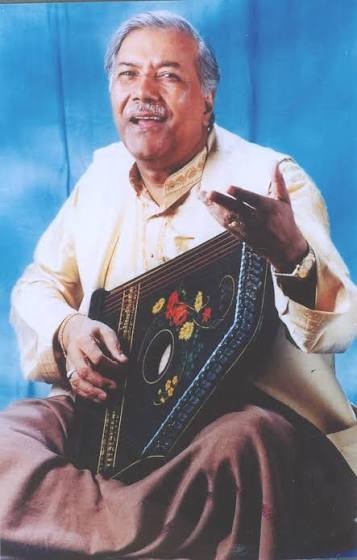
Standalone Title:Ustad Sabri Khan: The Maestro Who Elevated the Sarangi to Global Prominence
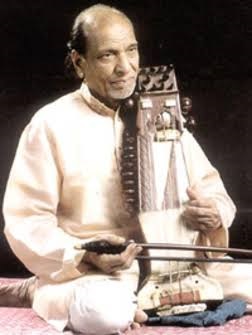
Ustad Sabri Khan (21 May 1927 – 1 December 2015) was a legendary Indian classical musician and arguably one of the greatest sarangi players of the 20th century. Hailing from a distinguished lineage of hereditary musicians, he dedicated over eight decades of his life to popularizing the sarangi—an instrument known for its uncanny resemblance to the human voice—taking it from a supportive accompaniment role to center stage across global concert halls.
2. Quick Facts: At a Glance
Standalone Title:Ustad Sabri Khan: Quick Facts and Profile Overview
Full Name: Ustad Sabri Khan
Native Name: استاد صابری خان (Urdu) / उस्ताद साबरी खान (Hindi)
Date of Birth: 21 May 1927
Place of Birth: Moradabad, Uttar Pradesh, British India
Award Name: Padma Bhushan (following the earlier Padma Shri)
Award Category: Civilian Award (Third Highest Civilian Honor in India)
Award Year: 2006 (Padma Bhushan); 1992 (Padma Shri)
Presented By: Dr. A.P.J. Abdul Kalam (then President of India)
Date of Ceremony: Republic Day Award Cycles
Citation/Official Reason: For distinguished service and lifelong contributions to the field of arts and Hindustani classical music.
Other Major Accolades: Sangeet Natak Akademi Award (1986), Sahitya Kala Parishad Award, and the Tagore Ratna Award (2012).
4. Why Did He Receive the Award?
Standalone Title:A Lifetime of Dedication: Why Ustad Sabri Khan Was Nationally Honored
Ustad Sabri Khan received India’s highest civilian honors in recognition of his monumental role in preserving and propagating the sarangi. At a time when the instrument faced a shortage of solo exponents, his immaculate tone, strict adherence to raga purity, complex layakari, and untiring global touring ensured that the traditional art form survived and thrived for future generations.
5. Early Life: Formative Years in Moradabad
Jurisdiction/Root:The Roots of a Maestro: Musical Heritage in Uttar Pradesh
Born into a family steeped in musical history on May 21, 1927, in Moradabad, Uttar Pradesh, Sabri Khan belonged to the illustrious Sainia Gharana, which traces its legendary lineage directly back to Mian Tansen, the master vocalist of Mughal Emperor Akbar’s court. Music was not just a profession in his household; it was a sacred family heritage passed down across generations.
6. Education: Rigorous Training under Family Masters
Standalone Title:Traditional Gurukul Training: Mastering the Subtleties of the Sarangi
Sabri Khan’s musical education was intensely traditional and rigorous. He was first initiated into sarangi-playing by his grandfather, Ustad Haji Mohammed Khan, and later trained extensively under his father, Ustad Chajju Khan, both celebrated sarangi masters of their era. He also honed his technique under the watchful eye of his uncle, Ustad Laddan Khan of Rampur, mastering rare vocal nuances, microtones, and complex bow-control.
7. Career Journey: From All India Radio to Global Ambassador
Standalone Title:A Storied Career: Taking the Sarangi to International Stages
Early Broadcasts: Became a prominent featured artist on All India Radio (AIR) from a young age, broadcasting across India during the golden era of live radio.
Global Outreach: Travelled extensively across Europe, the United States, Canada, and Asia, performing at prestigious global venues and universities as a cultural ambassador for Indian classical music.
Academic Teaching: Mentored scores of disciples globally, establishing a teaching lineage that crossed international borders.
8. Major Achievements: Preserving Raga Purity and Crafting a Unique Style
Standalone Title:Milestones in Music: Defining the Modern Sarangi Style
Signature Sound: Developed a unique playing style that balanced crystal-clear raga structures, rich alap-jor, and swift, intricate taans while preserving the total originality of traditional sarangi playing.
Global Collaborations: Collaborated with prominent Western musicians, bridging the gap between Eastern classical traditions and Western music sensibilities.
Commemorative Stamp: Honored posthumously by the Government of India with a commemorative postal stamp in 2018 in recognition of his monumental cultural footprint.
9. Contribution to the Nation: Saving an Endangered Instrument
Standalone Title:Nation Building: Rescuing the Sarangi from Obscurity
Historically, the sarangi was primarily used to accompany vocalists (particularly in Khayal, Thumri, and Dadra). Due to its immense technical difficulty and physical demandingness, fewer artists chose to master it. Ustad Sabri Khan single-handedly fought to elevate the sarangi as a respectable solo concert instrument, establishing institutional respect and securing its place in the pantheon of Indian classical arts.
10. Other Awards and Honours
Standalone Title:Beyond the Padma Awards: A Lifetime of Tributes
Sangeet Natak Akademi Award (1986): India’s apex national award for performing artists.
Uttar Pradesh Sangeet Natak Academy Award (1990).
Begum Akhtar Award & Ustad Chand Khan Award (2002).
Sangeet Natak Akademi Tagore Ratna Award (2012): Conferred to mark the 150th birth anniversary of Rabindranath Tagore.
11. Legacy and Influence: A Dynasty of Strings
Standalone Title:An Enduring Legacy: Passing the Torch to Multiple Generations
Ustad Sabri Khan’s legacy continues vibrantly through his children and grandchildren, who form an active musical dynasty. His sons—Sarwar, Jamal, Kamal, and Gulfam Sabri—as well as his talented grandsons (such as noted sarangi exponent Kamal Sabri and fusion artist Suhail Yusuf Khan) carry forward his rigorous technical mastery. Even after his peaceful passing on December 1, 2015, in New Delhi at the age of 88, his melodic echoes continue to inspire classical musicians worldwide.
12. Interesting Facts: Surprising Insights
Standalone Title:Did You Know? Fascinating Facts About Ustad Sabri Khan
Tansen’s Lineage: He belonged to a rare handful of 20th-century musicians who could trace their musical pedigree back seven generations directly to Emperor Akbar’s court musician, Mian Tansen.
A Voice-Like Instrument: He often demonstrated how the sarangi could mimic every emotional contour of human speech, laughter, weeping, and singing better than almost any other string instrument.
Stamp of Honor: In 2018, the Indian postal department issued a special postage stamp featuring Ustad Sabri Khan, cementing his status as a national cultural treasure.
13. Quotes: Words of Wisdom
Standalone Title:In His Words: Insights on Music and Tradition
“The sarangi is not merely an instrument; it is the shadow of the human soul, echoing every breath and emotion of the singer.” — Ustad Sabri Khan
“A true maestro who breathed new life into an ancient instrument, ensuring that the cry of the sarangi resonated across the world with unmatched elegance.” — Musical Tribute
14. Timeline: Key Milestones in His Life
1927: Born on May 21 in Moradabad, Uttar Pradesh.
1930s–1940s: Receives intensive training from his grandfather and father.
1986: Awarded the prestigious Sangeet Natak Akademi Award.
1992: Conferred the Padma Shri by the Government of India.
2006: Receives the Padma Bhushan from President Dr. A.P.J. Abdul Kalam.
2012: Honored with the Sangeet Natak Akademi Tagore Ratna Award.
2015: Passes away on December 1 in New Delhi at the age of 88.
2018: Commemorative postal stamp issued in his honor by the Government of India.
15. References: Sources and Further Reading
Standalone Title:Sources and Archives: Further Reading on Ustad Sabri Khan
Wikipedia & Open Biographical Archives: Ustad Sabri Khan Profile
AllMusic & World Music Archives: Biographical entries on Sarangi traditions
The Hindu & Hindustan Times: Obituaries and Historical Coverage of Classical Maestros
16. Related Personalities: Family and Peers
Standalone Title:In Good Company: Musical Lineage and Contemporaries
Ustad Chajju Khan: His father and primary musical mentor.
Kamal Sabri: His accomplished son and global sarangi virtuoso continuing the family tradition.
Pandit Ram Narayan: Legendary peer who similarly pioneered the solo career of the sarangi in Indian classical music.
17. Frequently Asked Questions (FAQ)
Standalone Title:All Your Questions Answered: FAQs About Ustad Sabri Khan
Q: Who was Ustad Sabri Khan?
A: He was a legendary Indian classical musician and master exponent of the sarangi, belonging to the Sainia Gharana.
Q: What instrument did he play?
A: He played the sarangi, a bowed string instrument famous for its vocal-like qualities.
Q: What major honors did he receive?
A: He received the Sangeet Natak Akademi Award (1986), the Padma Shri (1992), and India’s prestigious Padma Bhushan (2006).