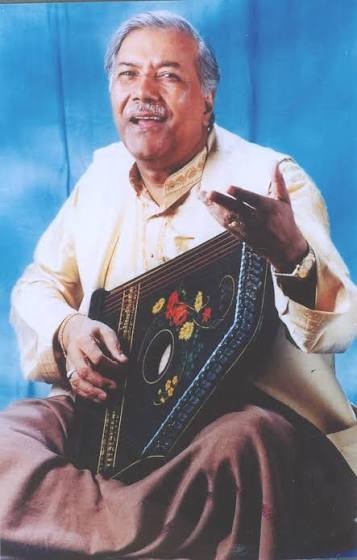
Standalone Title:Kamleshwar: The Pioneer of Modern Hindi Literature and Cinema
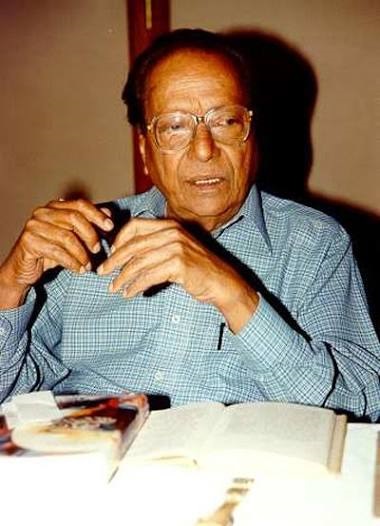
Kamleshwar Prasad Saxena (6 January 1932 – 27 January 2007), widely known simply as Kamleshwar, was one of the most prominent Hindi writers, novelists, screenwriters, and journalists of the 20th century. Along with contemporaries like Mohan Rakesh and Rajendra Yadav, he spearheaded the revolutionary Nayi Kahani (New Story) movement in Hindi literature, shifting the focus of storytelling toward urban isolation, post-independence realities, and deep psychological realism. Beyond his literary mastery, he left an indelible mark on Indian cinema and television as a legendary scriptwriter and dialogue writer.
2. Quick Facts: At a Glance
Standalone Title:Kamleshwar: Quick Facts and Profile Overview
Full Name: Kamleshwar Prasad Saxena
Native Name: कमलेश्वर (Hindi)
Date of Birth: 6 January 1932
Place of Birth: Mainpuri, United Provinces, British India (now Uttar Pradesh, India)
Field of Achievement: Hindi Literature, Screenwriting, Film Dialogue, Editorial Leadership
Years Active: 1948 – 2006
3. Award Information: The Sahitya Akademi and Padma Bhushan
Standalone Title:Recognizing Literary Excellence: Kamleshwar’s National Accolades
Award Name: Sahitya Akademi Award / Padma Bhushan
Award Category: National Literary Honor / Civilian Award (Third Highest Civilian Honor in India)
Award Year: 2003 (Sahitya Akademi Award); 2005 (Padma Bhushan)
Presented By: Sahitya Akademi / President of India (Dr. A.P.J. Abdul Kalam)
Date of Ceremony: Annual Republic Day and Literary Conclave Cycles
Citation/Official Reason: For his magnum opus novel Kitne Pakistan (Sahitya Akademi) and for lifelong distinguished contributions to literature and education (Padma Bhushan).
Other Major Accolades: Filmfare Award for Best Screenplay (1979).
4. Why Did He Receive the Awards?
Standalone Title:A Masterpiece on Partition: Why Kamleshwar Was Nationally Honored
Kamleshwar received the prestigious Sahitya Akademi Award in 2003 and the Padma Bhushan in 2005 in recognition of his monumental literary contributions—most notably his epic novel Kitne Pakistan (Partitions). Through his sharp narrative lens, deep social conscience, and extensive body of over 300 stories and numerous screenplays, he fearlessly addressed the trauma of partition, social corruption, and the shifting moral fabric of modern India.
5. Early Life: Formative Years in Mainpuri
Standalone Title:The Roots of a Writer: Early Life and Anti-Colonial Activism
Born in January 1932 in Mainpuri, Uttar Pradesh, Kamleshwar faced early adversity when his father passed away when he was just three years old. During his teenage years in British India, Mainpuri served as a key center for nationalist activities. Inspired by the freedom movement, young Kamleshwar joined the Revolutionary Socialist Party as a courier, secretly carrying underground messages and letters across towns—an experience that ingrained in him a lifelong disdain for social injustice and caste hierarchies.
6. Education: Academic Grounding at Allahabad University
Standalone Title:Intellectual Foundation: From Student Writer to Master of Hindi Literature
Kamleshwar pursued his higher education at the prestigious University of Allahabad, securing a Master’s degree in Hindi literature. It was during his student years in Allahabad—then a bustling crucible of Indian letters—that he published his very first story, “Comrade” (1948), and his early novel Badnam Gali, marking the explosive beginning of a decades-long literary journey.
7. Career Journey: Editing, Broadcasting, and Cinema
Standalone Title:A Storied Career: Navigating Literature, Journalism, and Film
Editorial Pioneer: Edited some of India’s most influential literary and general interest magazines, including Nayi Kahaniyaan, Sarika, Ganga, Vihan, and columns for major dailies like Dainik Jagran and Dainik Bhaskar.
Broadcasting Leadership: Served as the Additional Director General of Doordarshan, where he revolutionized television journalism and cultural programming through iconic shows like Parikrama and Patrika.
Screenwriting Icon: Ventured into Bollywood, writing hard-hitting dialogues, stories, and screenplays for nearly 100 films.
8. Major Achievements: Literary Masterpieces and Cinematic Classics
Standalone Title:Milestones in Fiction and Film: Kitne Pakistan and Iconic Scripts
Magnum Opus Novel:Kitne Pakistan (2000)—a brilliant, genre-defying metaphorical trial on human history, borders, and partition.
Celebrated Short Stories: Classics such as “Raja Nirbansiya”, “Maans Ka Dariya”, “Neeli Jheel”, and “George Pancham ki Naak”.
Cinematic Masterpieces: Authored stories, dialogues, or screenplays for legendary parallel and commercial films including Aandhi (1975), Mausam (1975), Chhoti Si Baat (1976), Pati Patni Aur Woh (1978) (winning the Filmfare Award for Best Screenplay), Rajnigandha, Mr. Natwarlal, and The Burning Train.
Television Legacy: Penned the script for the epic fantasy-drama television series Chandrakanta and Yug.
9. Contribution to the Nation: A Voice for the Marginalized
Standalone Title:Nation Building: Social Conscience Through Journalism and Art
Kamleshwar used his diverse platforms to give voice to the voiceless. Through pathbreaking television journalism like his program Kaamgar Vishwa, he brought the suffering, poverty, and struggles of India’s working-class laborers into national focus. His literary works continuously interrogated political hypocrisy, communalism, and the alienation of human beings in fast-paced metropolitan societies.
10. Other Awards and Honours
Standalone Title:Beyond the Padma Bhushan: Honors, Awards, and Tributes
Filmfare Award for Best Screenplay (1979): For Pati Patni Aur Woh.
Sahitya Akademi Award (2003): For Kitne Pakistan.
Padma Bhushan (2005): Conferred by the Government of India.
State and Cultural Honors: Felicitated by various literary academies and journalism forums across India.
11. Legacy and Influence: The Pillar of Modern Hindi Prose
Standalone Title:An Enduring Legacy: The Unshakable Pillar of the Nayi Kahani Movement
Kamleshwar’s legacy is preserved in the very DNA of modern Hindi literature and screenwriting. He demystified high literature, making stories deeply relatable to ordinary citizens while maintaining elite artistic integrity. Even after his passing on January 27, 2007, in Faridabad, his works continue to be studied in universities, and his films remain timeless classics of Indian cinema.
12. Interesting Facts: Surprising Insights
Standalone Title:Did You Know? Fascinating Facts About Kamleshwar
Dropping the Caste Surname: Influenced by his early underground days in the freedom movement, he dropped his caste surname (“Saxena”) and wrote under the single monikery pen name Kamleshwar to promote social equality.
Completing His Wife’s Request: His final, unfinished novel, Antim Safar (The Final Journey), was completed by writer Tejpal Singh Dhama at the request of Kamleshwar’s wife, Gayatri Kamleshwar, and went on to become a bestseller.
A Master of Multiple Mediums: He remains one of the extremely rare literary figures who achieved top-tier success simultaneously across fiction writing, magazine editing, television broadcasting, and mainstream Bollywood screenwriting.
13. Quotes: Words of Wisdom
Standalone Title:In His Words: Memorable Quotes by Kamleshwar
“Literature is not an escape from reality; it is an active engagement with the truth of human suffering and aspirations.” — Kamleshwar
“A visionary who walked effortlessly between the worlds of high Hindi literature and commercial cinema, leaving a golden trail in both.” — Literary Tribute
14. Timeline: Key Milestones in His Life
1932: Born on January 6 in Mainpuri, Uttar Pradesh.
1948: Publishes his first short story, “Comrade”.
1954: Completes his M.A. in Hindi Literature from Allahabad University.
1950s–1970s: Emerges as a key figure of the Nayi Kahani movement; edits legendary magazines like Sarika.
1975–1979: Writes acclaimed film scripts for Aandhi, Mausam, and wins the Filmfare Award for Pati Patni Aur Woh.
2000: Publishes his epoch-making novel Kitne Pakistan.
2003: Awarded the Sahitya Akademi Award.
2005: Conferred the Padma Bhushan by President Dr. A.P.J. Abdul Kalam.
2007: Passes away following a heart attack on January 27 in Faridabad at the age of 75.
15. References: Sources and Further Reading
Standalone Title:Sources and Archives: Further Reading on Kamleshwar
Wikipedia & Open Literary Archives: Kamleshwar Profile
Kitne Pakistan by Kamleshwar (Rajpal & Sons / Penguin Books)
Not Flowers of Henna (Short stories in English translation)
Hindwi & Sahitya Akademi Biographical Portals
16. Related Personalities: Literary Peers and Collaborators
Standalone Title:In Good Company: Contemporaries and Collaborators
Mohan Rakesh: Eminent Hindi novelist and fellow pioneer of the Nayi Kahani movement.
Rajendra Yadav: Prominent author, editor, and third pillar of the Nayi Kahani triumvirate alongside Kamleshwar.
Gulzar: Renowned filmmaker and lyricist who frequently collaborated with Kamleshwar on cinematic masterpieces like Aandhi and Mausam.
17. Frequently Asked Questions (FAQ)
Standalone Title:All Your Questions Answered: FAQs About Kamleshwar
Q: Who was Kamleshwar?
A: Kamleshwar was a legendary Hindi author, novelist, and screenwriter who played a foundational role in the Nayi Kahani literary movement.
Q: What is Kamleshwar’s most famous book?
A: His most celebrated work is the epic novel Kitne Pakistan (2000), for which he won the Sahitya Akademi Award.
Q: Which famous Bollywood films did he write?
A: He wrote stories, dialogues, or screenplays for acclaimed films like Aandhi, Mausam, Chhoti Si Baat, Pati Patni Aur Woh, and Mr. Natwarlal.