

1. Introduction
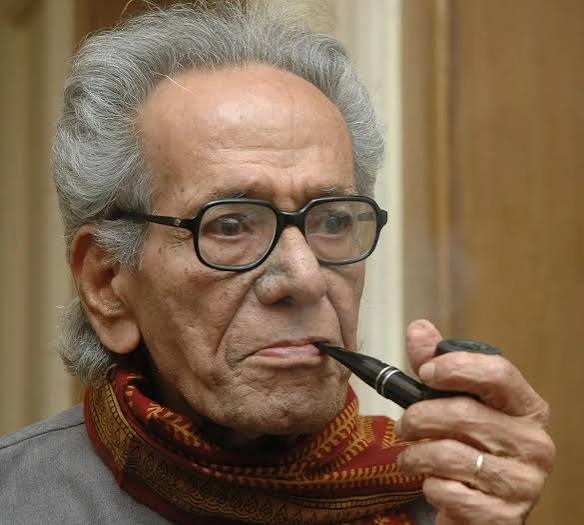
Habib Tanvir was one of the most towering, versatile, and influential theatre personalities in post-independence India. As a playwright, director, poet, and actor, he revolutionized Indian drama by seamlessly bridging the gap between urbane, elite theatre and indigenous folk traditions. Best known for founding the Naya Theatre company and working alongside Chhattisgarhi folk artists, Tanvir created a vibrant, politically conscious, and deeply human theatrical language that won global acclaim.
IJRAR.org+ 2
2. Quick facts
- Full Name: Habib Tanvir
- Native Name: حبیب تنویر (Urdu) / हबीब तनवीर (Hindi)
- Date of birth: September 1, 1923
- Place Of birth: Raipur, Chhattisgarh (erstwhile Central Provinces, British India)
- Nationality: Indian
- Occupation/ Profession: Playwright, Theatre Director, Poet, Actor, and Lyricist
- Field of Achievement: Modern Indian Drama, Folk Theatre Revival, and Direction
- Years Active: Late 1940s – 2009
3. Award Information
- Award Name: Padma Bhushan
- Award Category: India’s Third-Highest Civilian Award
- Award Year: 2002 Kids Portal For Parents
- Presented By: Government of India (Conferred by the President of India)
- Date of Ceremony: Republic Day honors cycle, 2002
- Citation/Official Reason: For exceptional and distinguished service to the arts, literature, and the enrichment of Indian theatre through folk integration.
- Previous Recipients (Examples): Luminaries across the arts, science, literature, and public service.
- Next Recipients: Conferred annually as part of national civilian honors.
4. Why they Receive the award?
Habib Tanvir received the Padma Bhushan—along with several other top national and international honors—for his monumental lifetime contribution to Indian performing arts. He redefined the boundaries of modern playwriting by infusing it with indigenous idioms, empowering marginalized rural and tribal folk artists, and putting Indian folk theatre prominently on the global map.
Wikipedia
5. Early Life
Born in Raipur into a family of Pathan descent, Habib Tanvir grew up surrounded by a rich cultural environment. Early in life, he developed a profound love for Urdu poetry, writing verses under the pen name (takhallus) “Tanvir,” which later became his permanent surname. His exposure to local rural spectacles, community Ramlilas, and touring theatre companies during his childhood laid the foundation for his lifelong romance with the stage.
6. Education
- Schooling: Passed his matriculation from Laurie Municipal High School, Raipur. Wikipedia
- Higher Education: Earned his Bachelor of Arts (B.A.) degree from Morris College, Nagpur (1944). Wikipedia
- Advanced Studies: Briefly studied for his M.A. at Aligarh Muslim University (AMU). Wikipedia
- International Training: Trained in acting at the Royal Academy of Dramatic Art (RADA), London (1955), and in direction at the Bristol Old Vic Theatre School (1956). Wikipedia
7. Carrier Journey
- Early Days in Bombay: Moved to Bombay in 1945, working with All India Radio (AIR) as a producer, writing film songs, and acting. He joined the Progressive Writers’ Association (PWA) and the Indian People’s Theatre Association (IPTA). Wikipedia+ 1
- Moving to Delhi: Relocated to New Delhi in 1954, collaborating with Qudsia Zaidi’s Hindustani Theatre and producing his breakout play, Agra Bazar. Wikipedia
- European Exposure: Traveled across Europe (1955–1958), encountering Bertolt Brecht’s epic theatre with the Berliner Ensemble in Germany, which heavily influenced his anti-illusionist, folk-epic style. Wikipedia
- Founding Naya Theatre: Established Naya Theatre in 1959 in Bhopal, a pioneering troupe partnering rustic Chhattisgarhi folk artists with urban actors. Scribd
- Parliamentary Tenure: Nominated as a Member of Parliament (MP) in the Rajya Sabha (the Upper House of the Indian Parliament) from 1972 to 1978. Kids Portal For Parents
8. Major Achievements
- Agra Bazar (1954): A pathbreaking play based on the life of 18th-century poet Nazir Akbarabadi, staged in an open-air marketplace utilizing local residents and students. Wikipedia
- Charandas Chor (1975): His most famous masterpiece, which won the prestigious Fringe Firsts Award at the Edinburgh International Drama Festival in 1982 and was ranked among India’s finest post-independence works. Wikipedia
- Global Tourer: Took Naya Theatre to major international festivals across Europe, the USSR, and the Americas, receiving global critical praise.
- Cinematic Footprint: Acted in notable arthouse and mainstream films, including Richard Attenborough’s Gandhi (1982), Shyam Benegal’s Mandi, and Govind Nihalani’s Prahaar. Wikipedia
9. Contribution to the nation
Habib Tanvir democratized Indian theatre. By utilizing indigenous folk forms like Nacha and regional dialects like Chhattisgarhi, he liberated Indian drama from rigid colonial and urban elitist constraints. His plays consistently tackled pressing socio-political issues—such as poverty, exploitation, displacement, and communalism—with sharp wit, deep empathy, and artistic brilliance, acting as a true cultural mirror for the nation.
Wikipedia
10. Other Awards and Honours
- Sangeet Natak Akademi Award (1969) Kids Portal For Parents
- Jawaharlal Nehru Fellowship (1979) for research on tribal performing arts
- Fringe Firsts Award – Edinburgh International Drama Festival (1982)
- Padma Shri (1983)
- Kalidas Samman (1990)
- Sangeet Natak Akademi Fellowship (1996)
- Padma Bhushan (2002) Kids Portal For Parents
11. Legacy and influence
Habib Tanvir remains an immortal pillar of modern Indian theatre history. He is credited with proving that traditional folk arts are not museum pieces but dynamic, living mediums capable of addressing contemporary crises. His troupe, Naya Theatre, nurtured generations of rural and urban performers, transforming how modern Indian playwrights approach narrative structure, music, and social relevance.
IJRAR.org
12. Interesting Facts
- Non-Actor Actors: Tanvir frequently cast illiterate or semi-literate rural folk artists from Chhattisgarh directly into complex theatrical productions, earning global praise for their unscripted spontaneity and rhythm.
- Theatrical Scale: His productions were massive spectacles; plays like Charandas Chor and Agra Bazar frequently featured large ensemble casts and live on-stage orchestras numbering over 50 to 70 performers. Scribd
- Political Courage: A lifelong Marxist and secular humanist, Tanvir never shied away from political controversy, famously defending freedom of expression even when facing political backlash from right-wing groups during the late 20th century.
13. Quotes
“True theatre exists in the villages. The folk artist possesses an uninhibited organic rhythm that formal urban training can often crush rather than elevate.”
“Art must reflect the struggles of the people. If it is detached from society’s core realities, it ceases to be meaningful.”
14. Timeline
- 1923: Born on September 1 in Raipur, Chhattisgarh. Wikipedia
- 1945: Moves to Bombay; joins IPTA and begins writing and acting. Wikipedia
- 1954: Directs his epochal debut play, Agra Bazar, in Delhi. Wikipedia
- 1955–1956: Trains at RADA and Bristol Old Vic in England; studies Brechtian theatre in Berlin. Wikipedia+ 1
- 1959: Founds Naya Theatre in Bhopal. Tasveer
- 1972–1978: Serves as a nominated Member of Parliament in the Rajya Sabha. Kids Portal For Parents
- 1975: Premieres his legendary play, Charandas Chor. Wikipedia
- 1982: Wins the Fringe Firsts Award at the Edinburgh Festival; appears in Richard Attenborough’s Gandhi. Tasveer
- 2002: Conferred the Padma Bhushan by the Government of India.
- 2009: Passes away on June 8 in Bhopal after a brief illness, leaving behind an unmatched theatrical legacy. Tasveer
15. References
- Wikipedia entries and historical archives on Habib Tanvir and Naya Theatre.
- Sangeet Natak Akademi archives and biographical briefs.
- Katyal, Anjum. Habib Tanvir: Towards a Theatre of the People (Penguin Books).
- Documentation from the Edinburgh International Festival and Indian theatre journals.
16. Related Personalities
- Safdar Hashmi (Renowned street theatre activist and playwright influenced by Tanvir)
- Bertolt Brecht (German playwright whose epic theatre principles heavily shaped Tanvir’s style)
- Nazir Akbarabadi (18th-century poet whose life and works inspired Tanvir’s Agra Bazar) Wikipedia
- Govind Ram Nirmalkar (Legendary Nacha artist and lead actor in Charandas Chor) Wikipedia
17. Frequently Asked Questions (FAQ)
Q1: What is Habib Tanvir best known for?
A: Habib Tanvir is best known for creating modern Indian plays infused with folk traditions, founding Naya Theatre, and directing iconic masterpieces like Agra Bazar and Charandas Chor using rural folk actors.
IJRAR.org
Q2: What was unique about Naya Theatre Company?
A: Naya Theatre was unique because it bridged urban theatre with rural roots by employing indigenous Chhattisgarhi folk artists who performed in their native dialects, integrating spontaneous folk music, dance (Nacha), and social commentary directly onto the national and international stage.
IJRAR.org
Q3: What major awards did Habib Tanvir receive during his lifetime?
A: He received the Sangeet Natak Akademi Award (1969), Padma Shri (1983), Kalidas Samman (1990), Sangeet Natak Akademi Fellowship (1996), and India’s third-highest civilian honor, the Padma Bhushan (2002).
Kids Portal For Parents
About the Author




