Early Life and Education
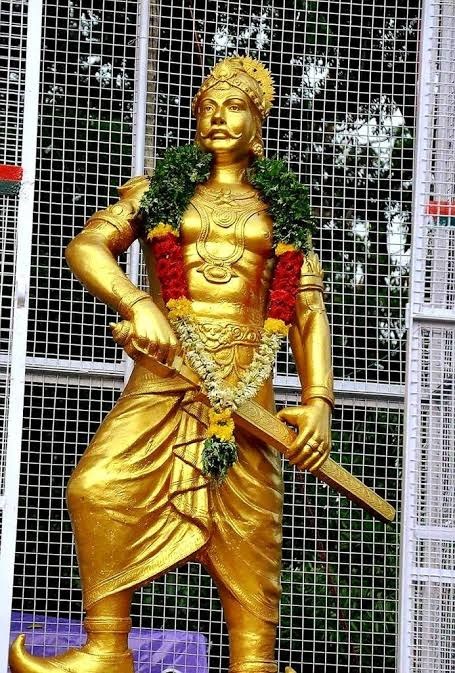
Veeran Sundaralingam was a celebrated freedom fighter from Tamil Nadu who lived during the late eighteenth century. He was born in the region surrounding Panchalankurichi, in present-day Thoothukudi district of Tamil Nadu. Historical records about his exact date of birth, parents, and formal education are limited.
Sundaralingam grew up during a period when the British East India Company was expanding its influence in South India. From an early age, he was exposed to the martial traditions of the Tamil poligar (palaiyakkarar) system, which emphasized courage, leadership, and military discipline.
Education & Skills
Although there is no evidence that Sundaralingam received formal institutional education, he possessed exceptional practical knowledge and military expertise. His skills included:
- Warfare and battlefield tactics.
- Horse riding and weapon handling.
- Strategic planning and fort defense.
- Leadership and troop management.
- Strong loyalty and dedication to his kingdom.
These abilities earned him the trust of Veerapandiya Kattabomman, under whom he served as a commander.
Contribution to Tamil Literature
Unlike several Tamil freedom fighters who were poets or writers, Veeran Sundaralingam did not make direct contributions to Tamil literature. However, his bravery has been celebrated in:
- Tamil folk songs.
- Ballads sung by village artists.
- Historical dramas and stage performances.
- Books and articles documenting Tamil resistance against colonial rule.
Through these literary and oral traditions, his legacy continues to inspire future generations.
Role in India’s Freedom Movement
Veeran Sundaralingam played a significant role in the early resistance against British rule in South India. He served as one of the trusted military commanders of Veerapandiya Kattabomman during the conflict against the British East India Company in the late 1790s.
One of the most remarkable episodes associated with Sundaralingam was his sacrifice during the struggle against the British. According to popular historical accounts, he undertook a daring mission to destroy British military supplies and ammunition stores, fully aware that it could cost him his life. This act of self-sacrifice has led many historians to regard him as one of India’s earliest martyrs in the fight against colonial domination.
His courage demonstrated that resistance to British rule had begun long before the nationwide movements of the nineteenth and twentieth centuries.
Personal Life
Very little documented information exists regarding Sundaralingam’s personal and family life. Historical narratives primarily focus on his military service and patriotism rather than his domestic affairs.
Despite the scarcity of personal details, he is remembered as a man of unwavering commitment to justice, honor, and the protection of his homeland.
Death
Veeran Sundaralingam is believed to have died around 1799 during the struggle against British forces. Traditional accounts state that he sacrificed his life while carrying out a mission aimed at weakening the enemy’s military strength by destroying their ammunition reserves.
His martyrdom became a symbol of resistance and devotion to the cause of freedom. The people of Tamil Nadu continue to honor his memory through memorials, commemorative events, and educational initiatives.
Conclusion
Veeran Sundaralingam occupies an important place in the history of Tamil Nadu’s resistance to colonial rule. Though not widely recognized at the national level, his bravery, military leadership, and willingness to sacrifice his life for the freedom of his people have earned him lasting respect. His story serves as a reminder that India’s struggle for independence was shaped by numerous regional heroes whose contributions laid the foundation for future freedom movements.
For students, researchers, and history enthusiasts, Veeran Sundaralingam remains an enduring symbol of patriotism, courage, and selfless service to the nation.
About the Author