

1. Introduction
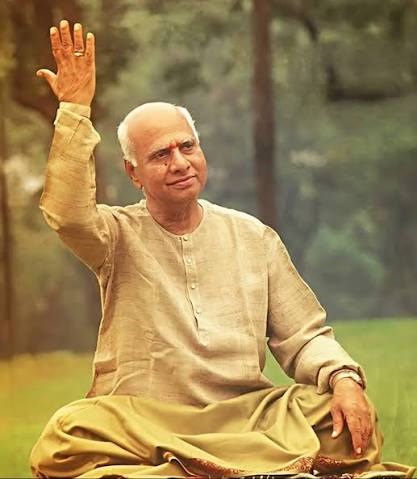
Pandit Chintaman Raghunath Vyas (1924–2002), affectionately known to the music world as C. R. Vyas, was a legendary Indian classical vocalist of the Agra, Gwalior, and Kirana gharanas. Celebrated for his powerful voice, majestic elaboration of ragas, and profound mastery over rare and composite melodic structures (known as Jod Ragas), he was a towering figure in 20th-century Hindustani classical music. Beyond his mastery on stage, he was a dedicated organizer, composer, and patron of the arts who worked tirelessly to preserve and promote classical traditions.
2. Quick Facts
- Full Name: Chintaman Raghunath Vyas
- Native Name: चिंतामण रघुनाथ व्यास
- Date of Birth: November 9, 1924
- Place of Birth: Osmanabad (now Dharashiv), Maharashtra, British India
- Nationality: Indian
- Occupation / Profession: Hindustani Classical Vocalist, Composer, Administrator
- Field of Achievement: Indian Classical Music (Vocal – Khayal and Tappa)
- Years Active: 1940s–2002
3. Award Information (Focus: Padma Bhushan)
- Award Name: Padma Bhushan
- Award Category: Civil Honours (Third-Highest Civilian Award in India)
- Award Year: 1992
- Presented By: Government of India (President of India)
- Date of Ceremony: 1992
- Citation / Official Reason: Honored for his distinguished contributions to the field of art and classical music, enriching Indian culture through decades of brilliant vocal performances and compositions.
- Previous Recipients (Examples): Iconic maestros, writers, scientists, and public figures.
- Next Recipients: Succeeding batches of national civilian awardees.
4. Why They Received the Award
Pandit C. R. Vyas received the Padma Bhushan and other prominent national accolades because of his deep synthesis of multiple gharanas and his massive contribution to preserving classical compositions. By creating new compositions under the pen name “Gunidas” and establishing platforms like the Gunidas Sangeet Sammelan, he ensured that rare ragas and heritage music survived and thrived for future generations.
5. Early Life
Born in 1924 in Osmanabad, Maharashtra, young Chintaman grew up in an atmosphere deeply appreciative of traditional culture. He displayed a natural ear for music early on. Despite facing financial hardships in his youth, his unyielding passion for classical music drove him to seek out formal training from eminent masters of various lineages.
6. Education
- Early Training: Initial grounding in classical music under local teachers in Maharashtra.
- Gharana Apprenticeship: Underwent rigorous taleem (training) under legendary gurus:
- Govindrao Agarkar (Gwalior and Agra gharanas)
- Jagannathbuwa Purohit (Agra gharana)
- Bihari Lal and later guidance from masters like Sattar Khan and Nivruttibuwa Sarnaik.
- Academic Studies: Balanced his education and early career while dedicating long hours daily to rigorous vocal riyaz.
7. Career Journey
- All India Radio (AIR): Performed frequently as a top-grade artist on AIR, bringing his powerful khayal renditions to living rooms across India.
- Professional Concert Artist: Performed at major music festivals across the country, celebrated for his commanding stage presence and improvisational depth.
- Composer (“Gunidas”): Authored hundreds of bandishes (composition pieces) under his pen name, published in anthologies such as Gayan Gaurav and Gunidas Sangeet Ratnamala.
- Cultural Organizer: Founded the Gunidas Sangeet Sabha, organizing prestigious annual music festivals that gave young talents and veterans a shared stage.
8. Major Achievements
- Synthesis of Styles: Masterfully blended the robust power of the Gwalior style, the complex rhythm (layakari) of the Agra style, and the emotional lyricism of the Kirana style into a distinct, composite persona.
- Creation of Jod Ragas: Pioneered and popularized composite ragas (Jod Ragas) combining two melodies seamlessly, such as Lalit-Bhatiyar and Sawani Kalyan.
- Prestigious Honors: Conferred the Sangeet Natak Akademi Award in 1987, followed by the Padma Bhushan in 1992.
9. Contribution to the Nation
Pandit Vyas kept the flame of traditional Hindustani classical music burning brightly during a transitional era of modernization. Through his teaching, composition work, and organizational efforts, he built institutional bridges that allowed traditional music to transition from royal courts and private circles into vibrant public auditoriums.
10. Other Awards and Honours
- Maharashtra Gaurav Puraskar: Government of Maharashtra (1987)
- Sangeet Natak Akademi Award: Presented by the Sangeet Natak Akademi, New Delhi (1987)
- Padma Bhushan: Government of India (1992)
- Tansen Samman: Government of Madhya Pradesh (1998)
- ITC Sangeet Research Academy Award
11. Legacy and Influence
Pandit C. R. Vyas left behind a rich musical lineage, including his son and accomplished vocalist Suhas Vyas. His compositions signed under “Gunidas” continue to be sung by concert artists worldwide. The Gunidas Sangeet Sammelan remains one of India’s most eagerly awaited annual classical music festivals.
12. Interesting Facts
- The “Gunidas” Persona: His pen name, Gunidas (“servant of virtues”), reflected his humble approach to music, viewing himself as a permanent student before the vast ocean of classical art.
- Versatility in Rare Ragas: While most vocalists stuck to standard popular ragas, Vyas was renowned for breathing life into obscure, complex Pracheen (ancient) and mixed Jod ragas.
13. Quotes
“Music is an inward journey. The voice is merely an instrument to express the soul’s communion with the absolute raga.” — Pandit C. R. Vyas
14. Timeline
- 1924: Born on November 9 in Osmanabad, Maharashtra.
- 1940s: Begins intensive training under stalwart gurus of various gharanas.
- 1960s: Establishes himself as a premier classical khayal vocalist and frequent broadcaster on All India Radio.
- 1978: Founds the iconic Gunidas Sangeet Sammelan.
- 1987: Receives the Sangeet Natak Akademi Award.
- 1992: Conferred the Padma Bhushan by the President of India.
- 2002: Passes away on January 10 at the age of 77.
15. References
- Wikipedia contributors. “C. R. Vyas.” Wikipedia, The Free Encyclopedia.
- Nadkarni, Mohan (2000). “The Great Masters of Hindustani Classical Music.”
- Sangeet Natak Akademi Archives – Citation records for C.R. Vyas.
16. Related Personalities
- Jagannathbuwa Purohit: His primary guru who deeply shaped his Agra gharana aesthetics.
- Suhas Vyas: Prominent classical vocalist and son who carries forward his musical legacy.
- Kumar Gandharva: Contemporary legend of Hindustani classical music with whom he shared deep mutual artistic respect.
17. Frequently Asked Questions (FAQ)
- Q: Which gharanas was Pandit C. R. Vyas associated with?
- A: He was primarily trained in the Agra, Gwalior, and Kirana gharanas, beautifully blending elements of all three into his unique style.
- Q: What is “Gunidas”?
- A: Gunidas was Pandit C. R. Vyas’s pen name, under which he composed numerous classical bandishes.
- Q: What major awards did he win?
- A: He won the Sangeet Natak Akademi Award (1987), the Padma Bhushan (1992), and the Tansen Samman (1998).
About the Author




