

1. Introduction
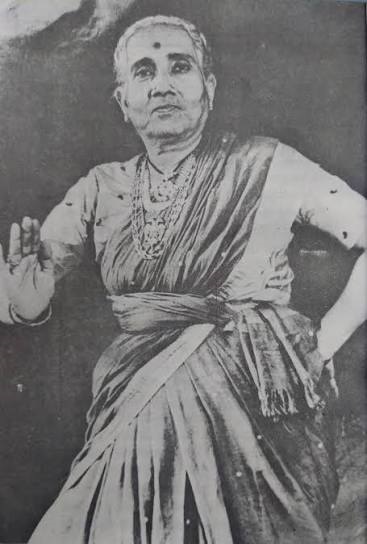
Dr. K. Venkatalakshamma (1906–2002) was a legendary exponent of Bharatanatyam and the quintessential torchbearer of the graceful Mysore Style of classical dance. As the last surviving representative of the royal Mysore Palace court tradition, she dedicated over eight decades of her life to practicing, preserving, and passing down the pristine art of abhinaya (expressive execution) and authentic temple dance lineages. Her profound contributions earned her India’s prestigious Padma Bhushan civilian honor and cemented her place as a monumental icon in Indian performing arts.
2. Quick Facts
- Full Name: K. Venkatalakshamma
- Native Name: ಕೆ. ವೆಂಕಟಲಕ್ಷಮ್ಮ
- Date of Birth: May 29, 1906
- Place of Birth: Kadur, Mysore Kingdom, British India (now Karnataka, India)
- Nationality: Indian
- Occupation / Profession: Classical Dancer, Choreographer, Guru
- Field of Achievement: Bharatanatyam (Mysore Palace Tradition and Abhinaya)
- Years Active: 1918–2000
3. Award Information (Focus: Padma Bhushan)
- Award Name: Padma Bhushan
- Award Category: Civil Honours (Third-Highest Civilian Award in India)
- Award Year: 1992
- Presented By: Government of India (President of India)
- Date of Ceremony: 1992
- Citation / Official Reason: Recognized for distinguished services of a high order to the field of classical arts, specifically for keeping the historic Mysore court Bharatanatyam tradition alive.
- Previous Recipients (Examples): Eminences in science, arts, literature, and public service.
- Next Recipients: Succeeding lists of national civilian awardees.
4. Why They Received the Award
Venkatalakshamma received the Padma Bhushan and other national honors for serving as a living link to India’s rich heritage of court and temple dance traditions. While Bharatanatyam evolved dynamically across Southern India, she remained steadfastly devoted to the subtle, intense facial expressions and understated aesthetic of the Mysore royal tradition, training generations of dancers globally without diluting its purity.
5. Early Life
Born in 1906 in Tangali Thanda (Kadur), she came from a humble background. Recognizing her early aptitude, her grandparents brought her to the royal court of Mysore when she was just eight years old. Under the rigorous traditional gurukula system, she was placed under the tutelage of the legendary court dancer ‘Natya Saraswati’ Jatti Thayamma, beginning a lifelong dedication to dance.
6. Education
- Gurukula Training: Underwent intense daily instruction beginning before dawn, which included unique physical conditioning exercises such as lifting coins and needles with her eyelids to build extraordinary eye-muscle control for abhinaya.
- Academics and Music: Mastered Sanskrit under Asthana Vidwans such as Devottama Jois and studied Carnatic music fundamentals under Dr. B. Devendrappa and C. Rama Rao.
7. Career Journey
- Asthana Vidushi (Court Dancer): Appointed as an official court and temple dancer by Maharaja Nalvadi Krishnarajendra Wodeyar of Mysore.
- Performing Career: Performed extensively alongside her guru Jatti Thayamma for nearly 30 years in royal ceremonies and temple festivals.
- Pedagogical Legacy: Served as a dance teacher and principal at various institutions, including the Nupura School of Bharatanatyam in Bangalore, mentoring numerous domestic and international students.
8. Major Achievements
- Sole Heir to Mysore Tradition: Maintained the distinctive, non-theatrical, and deeply emotional grammar of the Mysore Bharatanatyam style as its final authentic representative.
- Pioneering Accolades: Became the very first recipient from Karnataka to win the prestigious Sangeet Natak Akademi Award in 1964.
- Inaugural Shantala Award: Awarded the first Shantala Natya Sri Award (1995), the highest state honor for a dancer in Karnataka.
9. Contribution to the Nation
Dr. Venkatalakshamma rescued an entire regional school of classical choreography from fading into obscurity. By painstakingly teaching local students and visiting international artists alike, she preserved historical compositions, gesture languages, and musical nuances that would have otherwise been lost with the dissolution of the princely states.
10. Other Awards and Honours
- Sangeet Natak Akademi Award: 1964
- Sangeet Nritya Academy Award: 1976
- Honorary D.Litt: Mysore University, 1977
- Kannada Rajyotsava Award: 1988
- Sangeeta Kalaratna: Bangalore Gayana Samaja, 1989
- Padma Bhushan: Government of India, 1992
- Shantala Natya Sri Award: Government of Karnataka, 1995
- Nadoja Award: Hampi University, 2001
11. Legacy and Influence
Venkatalakshamma’s legacy is defined by purity of execution and emotional depth. Unlike modern adaptations that lean heavily on high-speed acrobatics, her teaching emphasized that true abhinaya originates from an artist’s internal maturity and restraint. Her students carry forward the Mysore style across continents, ensuring her artistic footprint remains eternal.
12. Interesting Facts
- Rigorous Conditioning: To achieve the subtle, communicative eye movements required in classical storytelling, her training involved picking up small items like needles and coins off the floor using only her eyelids.
- Unpretentious Living: Despite being a recipient of India’s highest honors and a court favorite, she lived a remarkably grounded life, eventually spending her final years peacefully back in her native village.
13. Quotes
“Nritta is a skill one acquires through practice and technique. Abhinaya is the result of the entirety of a dancer’s personal views and their innate ability to interpret.” — Dr. K. Venkatalakshamma
14. Timeline
- 1906: Born on May 29 in Kadur, Mysore Kingdom.
- 1918: Celebrates her formal Ranga Pravesha (debut performance) at age twelve.
- 1964: Awarded the Sangeet Natak Akademi Award, becoming its first recipient from Karnataka.
- 1992: Conferred the Padma Bhushan by the President of India.
- 1995: Receives the inaugural Shantala Natya Sri Award.
- 2002: Passes away on July 1 at the age of 96.
15. References
- Wikipedia contributors. “K. Venkatalakshamma.” Wikipedia, The Free Encyclopedia.
- Srinivasan, Lalitha (1995). “Padmabhushana Dr. K. Venkatalakshamma.” Bangalore: Karnataka Sangeeta Nritya Academy.
- Keshava, Dasappa (2011). “My mentor Dr. K Venkatalakshamma (1906 – 2002).” Narthaki biographical archives.
16. Related Personalities
- Jatti Thayamma: Renowned royal court dancer (Natya Saraswati) and primary guru of Venkatalakshamma.
- Nalvadi Krishnarajendra Wodeyar: The progressive Maharaja of Mysore who patronized and institutionalized court arts.
- B.T. Lalitha Naik: Prominent Kannada writer and politician, who is her grandaunt.
17. Frequently Asked Questions (FAQ)
- Q: What dance style is Dr. K. Venkatalakshamma famous for?
- A: She is world-renowned as the premier doyenne of the Mysore Style of Bharatanatyam.
- Q: Why was she considered a historical figure in Indian dance?
- A: She was the last direct representative of the royal Mysore Palace court tradition, having learned and performed under the traditional royal setup.
- Q: What major civilian award did she receive?
- A: She was awarded the Padma Bhushan by the Government of India in 1992.
About the Author




