

1. Introduction
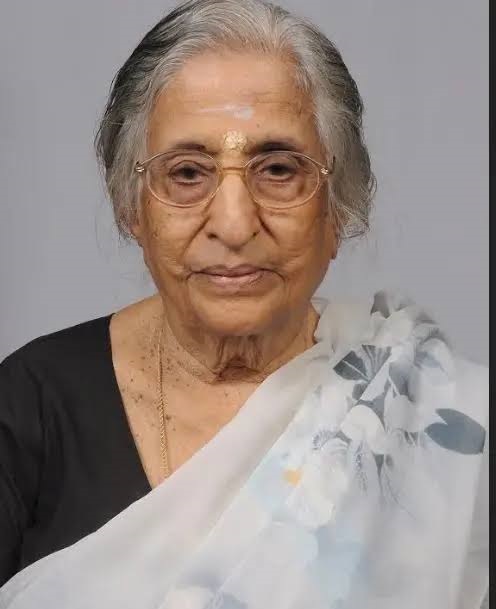
Dr. Mambalikalathil Sarada Menon (1923–2021) was a pioneering force in Indian mental healthcare. Universally celebrated as India’s first woman psychiatrist, she transformed the landscape of psychiatric treatment from custodial asylum care into compassionate psychosocial rehabilitation. Over a career spanning seven decades, she broke deep-rooted social stigmas, modernized institutional care, and founded the world-renowned Schizophrenia Research Foundation (SCARF), leaving a permanent imprint on global mental health.
2. Quick Facts
- Full Name: Mambalikalathil Sarada Menon
- Date of Birth: April 5, 1923
- Place of Birth: Mangalore, Madras Presidency, British India (present-day Karnataka, India)
- Date of Passing: December 5, 2021 (aged 98)
- Nationality: Indian
- Occupation/Profession: Psychiatrist, Medical Scientist, Social Worker
- Field of Achievement: Psychiatry, Mental Health, and Psychosocial Rehabilitation
- Years Active: 1951 to 2021 (over 60 years of active practice and service)
3. Award Information (Highlight: Padma Bhushan)
- Award Name: Padma Bhushan
- Award Category: India’s Third-Highest Civilian Honour
- Award Year: 1992
- Presented By: The President of India
- Citation/Official Reason: Conferred in recognition of her pioneering contributions to psychiatry, mental health administration, and lifelong humanitarian service toward the rehabilitation of the mentally ill in India.
- Other Major State & National Honours:
- Avvaiyar Award (2016) – Conferred by the Government of Tamil Nadu.
- State Best Doctor Award – Government of Tamil Nadu.
- Mother Teresa Memorial Award (2016).
4. Why She Received the Award
Dr. Sarada Menon earned India’s prestigious civilian and state honors because she single-handedly revolutionized how society viewed and treated mental illness. At a time when psychiatric patients were heavily chained, sedated, or abandoned in dark asylums, she championed the philosophy that mental illness is treatable just like any physical ailment. Her creation of community-based care models, vocational rehabilitation units, and institutional safeguards changed countless lives and guided national health policy.
5. Early Life
Born into a Malayali family in Mangalore as the youngest of eight children, Dr. Menon grew up in an environment that prioritized discipline and education. Her mother passed away when she was just 18, but despite initial familial hesitation regarding the long and grueling path of medical school, she pursued her ambitions with resolute determination. Her profound empathy for society’s most vulnerable was sparked during her final year in medical school when a routine student visit to a local mental asylum exposed her to the neglect and unkempt conditions of patients. That pivotal moment charted her lifelong destiny.
6. Education
- Undergraduate & Medical Training: Studied at Women’s Christian College, Chennai, and graduated with her MBBS from Madras Medical College in 1947.
- Post-Graduation: Earned her MD in General Medicine from Madras Medical College in 1953.
- Specialized Psychiatry Training: Completed the prestigious Diploma in Psychiatric Medicine (DPM) at the National Institute of Mental Health and Neurosciences (NIMHANS), officially becoming India’s first female psychiatrist.
7. Career Journey
- Early Medical Service: Joined the Madras Medical Service in 1951, working in missionary and general hospitals before pivoting completely to mental health.
- Superintendent of the Institute of Mental Health (IMH): Joined the Government Mental Hospital in Kilpauk, Chennai, in 1959 and served as its pioneering woman Superintendent from 1961 to 1978. She turned a stagnant asylum into a progressive, humane hospital.
- Founding SCARF (1984): Refusing to slow down after government retirement, she co-founded the Schizophrenia Research Foundation (SCARF) alongside Dr. R. Thara and Dr. M. Rajkumar to focus heavily on community rehabilitation and research.
8. Major Reforms & Innovations
During her nearly two decades heading the Institute of Mental Health in Chennai, Dr. Menon spearheaded radical infrastructure and therapeutic reforms:
- Introduced a separate Outpatient Department (OPD) to reduce hospital stigma.
- Established dedicated special clinics for children, geriatrics, epilepsy, and neurosis.
- Instituted recreational therapy, art, and group games alongside industrial therapy workshops (bakery, toy-making, and weaving units) to restore patients’ self-reliance.
- Involving family members closely in care routines—subsequently leading to the creation of Aasha, a support group for families of the mentally ill.
9. Contribution to the Nation
Dr. Menon’s vision placed India on the global map for community-based psychiatric care. SCARF became a WHO Collaborating Centre for Mental Health Research and Training. Beyond psychiatry, her civic footprint extended to leading Red Cross initiatives, managing cyclone shelter relief programs during natural disasters in the 1970s, and mentoring other pioneering social welfare organizations like TTK Hospital and The Banyan.
10. Other Awards and Honours
- Lifetime Achievement Award by the Madras Neuro Trust (2013)
- Special Award from the International Association of Psychosocial Rehabilitation
- For the Sake of Honour Award from the Rotary Club
- Homi Bhabha & HelpAge India recognitions for senior leadership in social welfare
11. Legacy and Influence
Referred to affectionately by her students and peers as a clinician and administrator par excellence, Dr. Sarada Menon left behind a generation of well-trained mental health professionals. Her belief that people struggling with psychiatric disorders can live productive, mainstream lives if treated with dignity remains the guiding ethos of modern Indian psychiatry. SCARF continues to thrive as a global benchmark for mental health care under her successors.
12. Interesting Facts
- The Pioneer Quotient: When she entered the specialization in the 1950s, she was met with widespread skepticism because psychiatry was virtually non-existent for women in India; she forged ahead regardless.
- Ageless Vigor: Well into her late 90s, she remained mentally sharp, adopting modern technology like Zoom to attend webinars, review medical literature, and consult patients online.
- Deep Empathy: Known for her extraordinary personal touch, she famously remembered the birthdays, personal milestones, and life events of her colleagues, students, and staff.
13. Quotes
“When we can tolerate a drunkard, why not a schizophrenic? Give affection. Be considerate. These people can be made whole. Mental illness is like any other illness.” — Dr. M. Sarada Menon
14. Timeline
Birth in Mangalore
April 5, 1923
Born into a large, culturally grounded Malayali family.
Graduates in Medicine
1947
Completes her MBBS degree from Madras Medical College.
Specialization at NIMHANS
1957–1959
Completes her Diploma in Psychiatric Medicine, becoming India’s first woman psychiatrist.
Superintendent of IMH, Madras
1961
Takes charge as the first woman head of the Institute of Mental Health, driving major administrative reforms.
Founding of SCARF
1984
Establishes the Schizophrenia Research Foundation to spearhead community rehabilitation.
Awarded the Padma Bhushan
1992
Honored by the President of India with the Padma Bhushan for her societal contributions.
Passing in Chennai
December 5, 2021
Passes away peacefully at the age of 98, leaving behind an immortal legacy of healing.
15. References
- Official archives of the Schizophrenia Research Foundation (SCARF).
- The Hindu and The Indian Express historical profiles and memorial retrospectives.
- National Medical Journal archives and NIMHANS institutional history records.
16. Related Personalities
- Dr. R. Thara (Co-founder of SCARF and eminent psychiatrist)
- Dr. Vidyasagar (Pioneering Indian psychiatrist known for open-ward asylum reforms)
17. Frequently Asked Questions (FAQ)
Q1: Who was Dr. M. Sarada Menon?
A: Dr. M. Sarada Menon was India’s first woman psychiatrist, a renowned social worker, and the founder of the Schizophrenia Research Foundation (SCARF).
Q2: What were her major contributions to mental health in India?
A: She modernized the Institute of Mental Health in Chennai, introduced industrial and recreational therapy for patients, integrated family involvement in psychiatric care, and pioneered institutional psychosocial rehabilitation.
Q3: What awards did she receive?
A: She was honored with the Padma Bhushan in 1992 and the Tamil Nadu State government’s Avvaiyar Award in 2016, among numerous other lifetime achievement accolades.
About the Author




