

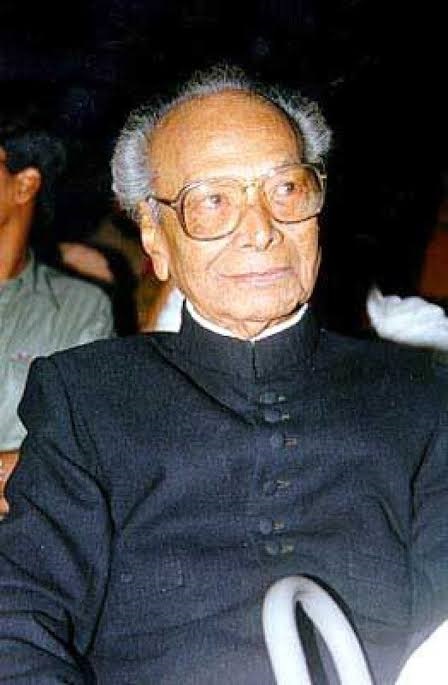
1. Introduction
Naushad Ali (1919–2006) was a legendary Indian music director who is widely regarded as one of the greatest and most influential composers in the history of Hindi cinema. He is particularly celebrated for bringing heavy Hindustani classical music roots into mainstream commercial films, elevating the quality of film scores, and introducing advanced sound mixing techniques to Bollywood. His timeless melodies continue to define the golden era of Indian film music.
2. Quick Facts
- Full Name: Naushad Ali
- Native Name: नौशाद अली (Hindi) / نوشاد علی (Urdu)
- Date of Birth: December 25, 1919
- Place of Birth: Lucknow, United Provinces, British India (present-day Uttar Pradesh, India)
- Date of Passing: May 5, 2006 (aged 86)
- Nationality: Indian
- Occupation/Profession: Music Composer, Director, Film Producer, Poet
- Field of Achievement: Indian Film Music and Classical Composition
- Years Active: 1940–2005
3. Award Information (Highlight: Dadasaheb Phalke Award)
- Award Name: Dadasaheb Phalke Award
- Award Category: India’s Highest Award in Cinema
- Award Year: 1981
- Presented By: Government of India
- Citation/Official Reason: Conferred in recognition of his monumental lifetime contribution to the Indian film industry, pioneering musical techniques, and immortalizing classical traditions on screen.
- Other Major National Honours:
- Padma Bhushan (1992) – India’s third-highest civilian honor.
- Filmfare Award for Best Music Director (1954) – for Baiju Bawra.
4. Why He Received the Award
Naushad was decorated with India’s highest film and civilian honors because he revolutionized the sonic identity of Indian cinema. He was the first to combine Western orchestral arrangements with traditional Indian instruments, popularized heavy classical ragas in hit movies, and pioneered the separate recording of voice and music tracks (sound mixing). His music defined iconic cinematic masterpieces like Mughal-e-Azam, Mother India, and Baiju Bawra.
5. Early Life
Born in Lucknow—a historic hub of Urdu poetry and culture—Naushad grew up fascinated by the live orchestras that accompanied silent films in local theatres. Despite facing strict opposition from his father (who was a court clerk), young Naushad learned Hindustani classical music secretly and spent his early years repairing harmoniums and working with travelling theatrical groups.
6. Education
- Traditional Training: Studied Hindustani classical music under notable masters like Ustad Ghurbat Ali, Ustad Yusuf Ali, Ustad Babban Saheb, and Laddan Khan.
- Institutional Background: Trained at the prestigious Bhatkhande Sanskriti Vishwavidyalaya in Lucknow, building a solid theoretical foundation in classical ragas and instrumental arrangements.
7. Career Journey
- Struggles in Mumbai (Late 1930s): Moved to Bombay in 1937, initially facing extreme hardship, including sleeping on footpaths outside Dadar’s Broadway theatre.
- Breakthrough Success: After working as an assistant to legendary composers like Khemchand Prakash and Ustad Jhande Khan, he got his big break as an independent music director with Prem Nagar (1940).
- The Mega-Success Era: Achieved sensational stardom with the musical score of Rattan (1944), which featured 35 silver jubilee hits and made him the highest-paid music director of his time.
8. Major Achievements & Innovations
- Composed music for over 60 films, yielding an unprecedented number of silver and golden jubilee hits.
- Pioneering Sound Techniques: First to introduce sound mixing, multi-track recording, and the practice of recording vocals separately from the instrumental orchestra.
- Instrumental Fusion: Pioneered unique combinations in Indian film orchestras, such as pairing the flute with the clarinet, and the sitar with the mandolin.
- Global Milestone: Composed for Mother India (1957), which became the first-ever Indian film to be nominated for an Academy Award (Oscar).
9. Contribution to the Nation
Naushad elevated the status of the film composer in India, advocating fiercely for fair royalties and professional recognition for playback singers and musicians. By weaving folk tunes from Punjab, UP, and Rajasthan with complex Carnatic and Hindustani classical ragas, he fostered national integration through art. He also served as the President of the Cine Musicians’ Association, fighting tirelessly for the welfare of background artists.
10. Other Awards and Honours
- Lata Mangeshkar Award (Government of Madhya Pradesh).
- Sangeet Natak Akademi Award (1990).
- Aap Ki Khidmat Mein special state honors and felicitation by the Maharashtra State Government.
- Honorary doctorates from multiple Indian universities for his contributions to musicology.
11. Legacy and Influence
Naushad’s influence on generations of subsequent Bollywood music directors—from Kalyanji-Anandji and Laxmikant-Pyarelal to A.R. Rahman—is immeasurable. He shaped the careers of legendary playback singers like Mohammed Rafi, Lata Mangeshkar, and Talat Mahmood, mentoring them to master micro-tones (shrutis) and emotional resonance. He also published a book of his own Urdu poetry titled Aathwaan Sur (“The Eighth Note”).
12. Interesting Facts
- The Baiju Bawra Challenge: For the legendary musical duel in Baiju Bawra, Naushad brought real classical titans, Ustad Bade Ghulam Ali Khan and D.V. Paluskar, to sing playback for the film screen—a historic crossover between pure classical music and commercial cinema.
- Master of Harmonium: Long before he became a famous composer, he earned a living in Lucknow by repairing broken harmoniums and playing piano in theatre orchestras.
- Lifelong Bond with Lyricists: He formed some of the most successful creative partnerships in Bollywood history, most notably with lyricist Shakeel Badayuni, with whom he created evergreen classics.
13. Quotes
“Music has no boundaries of caste, creed, or religion. It is the direct language of the human soul reaching out to the Divine.” — Naushad
14. Timeline
Birth in Lucknow
December 25, 1919
Born to Wahid Ali in Lucknow, developing an early passion for silent film orchestras and classical music.
Moves to Mumbai
1937
Arrives in Bombay to pursue a career in film music, initially facing severe financial hardship.
The Musical Phenom: Rattan
1944
Composes the historic score for Rattan, turning him into an overnight industry superstar.
Baiju Bawra Triumph
1952
Creates timeless classical masterpieces for Baiju Bawra, cementing his legacy.
Mughal-e-Azam Masterpiece
1960
Delivers one of the greatest musical soundtracks in Indian film history for K. Asif’s epic.
Dadasaheb Phalke Award
1981
Conferred India’s highest cinema honor for his lifetime achievements.
Passing in Mumbai
May 5, 2006
Passes away at the age of 86 in Mumbai, leaving behind an immortal musical legacy.
15. References
- The Hindu and Times of India biographical retrospectives on Naushad.
- Official archives of the Dadasaheb Phalke Academy and Sangeet Natak Akademi.
- Upperstall historical film database profiles on Naushad Ali.
16. Related Personalities
- Shakeel Badayuni (Legendary lyricist and frequent collaborator)
- Mohammed Rafi (Iconic playback singer closely associated with Naushad)
- Khemchand Prakash (Early mentor and music director)
- Mehboob Khan (Visionary director of Mother India and Aandaz)
17. Frequently Asked Questions (FAQ)
Q1: Who was Naushad Ali?
A: Naushad was a legendary Indian music director who played a defining role in shaping the golden era of Bollywood music by introducing classical ragas and advanced audio recording techniques.
Q2: What were some of Naushad’s most famous films?
A: His most celebrated works include Mughal-e-Azam, Mother India, Baiju Bawra, Rattan, and Aandaz.
Q3: What major national honors did he receive?
A: He received the prestigious Dadasaheb Phalke Award in 1981 and the Padma Bhushan in 1992.
A tribute documentary on the legendary music director Naushad Ali
This video provides an engaging biographical look into the life, musical journey, and historical milestones of Naushad Ali.
About the Author




