

1. Introduction
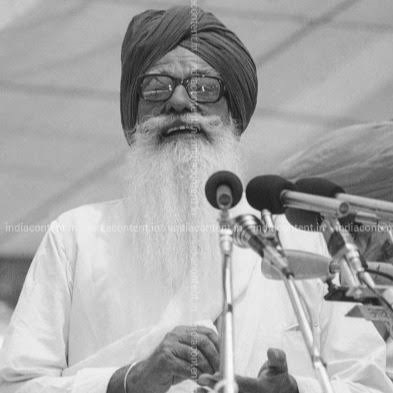
Jiwan Singh Umranangal (1914–1998) was a prominent Indian politician, prominent leader of the Shiromani Akali Dal, and a fearless voice for communal harmony during one of the most turbulent periods in Punjab’s history. Serving as Punjab’s Revenue and Finance Minister, he stood firm against terrorism and religious extremism, ultimately earning India’s third-highest civilian honor, the Padma Bhushan, for his unwavering commitment to public service and national integration.
2. Quick Facts
- Full Name: Jiwan Singh Umranangal
- Native Name: ਜੀਵਨ ਸਿੰਘ ਉਮਰਾਨੰਗਲ (Punjabi)
- Date of Birth: October 1, 1914
- Place of Birth: Dhaliwal Bet village, Kapurthala State, British India (now in Kapurthala district, Punjab, India)
- Date of Death: November 7, 1998 (aged 84) in Beas, Punjab, India
- Nationality: Indian
- Occupation / Profession: Agriculturist, Politician
- Field of Achievement: Politics, State Governance, and Social Harmony
- Years Active: c. 1952 – 1998
3. Award Information (Focus: Padma Bhushan)
- Award Name: Padma Bhushan
- Award Category: Civil Honour (India’s third-highest civilian award)
- Award Year: 1991
- Presented By: The President of India
- Date of Ceremony: 1991 / 1992 (Gazetted in 1991)
- Citation / Official Reason: For exceptional and distinguished public service, political leadership, and efforts toward maintaining national integration and amity.
- Previous Recipients: Distinguished leaders, freedom fighters, and nation-builders of India.
- Next Recipients: Succeeding national civilian honorees.
4. Why They Received the Award
Jiwan Singh Umranangal received the Padma Bhushan in 1991 in recognition of his courageous political stance and long-standing public service. During the peak of militancy and terrorism in Punjab, Umranangal stood fearlessly against sectarian violence, defended national unity, and risked his life and family to advocate for peace, communal harmony, and secular values.
5. Early Life
Born on October 1, 1914, in the Dhaliwal Bet village of Kapurthala, Umranangal hailed from a farming background. He completed his matriculation from Kapurthala High School. Growing up in rural Punjab, he deep-rooted himself in agricultural practices, eventually becoming the village head (sarpanch and nambardar) of his native area, which built his lifelong connection with the agrarian community.
6. Education
- Schooling: Completed his primary and secondary education locally, passing his matriculation from Kapurthala High School.
- Practical Learning: Rather than pursuing higher academic credentials, he specialized in grassroots public engagement, rural sociology, and agricultural management, which paved the way for his authoritative leadership in state affairs.
7. Career Journey
- Entry into Politics (1952): Formally stepped into active politics by joining the Shiromani Akali Dal, rising quickly through the ranks due to his organizational capability.
- Legislative Roles: Elected multiple times to the Punjab Legislative Assembly (notably in 1968, 1977, and 1980).
- Ministerial Portfolios: Served as the Revenue Minister of Punjab under Chief Minister Gurnam Singh in 1968, and as the Finance Minister under Chief Minister Parkash Singh Badal in 1977.
- SGPC Leadership: Won three consecutive elections to the Shiromani Gurdwara Parbandhak Committee (SGPC) and served on its executive committee for over a decade.
8. Major Achievements
- Political Stalwart of Punjab: Helped shape major regional policy frameworks concerning farmers, land revenue, and Sikh religious administration through his leadership in the Akali Dal and SGPC.
- National Amity Award (1996): Honored nationally for promoting peace and cross-community brotherhood.
- Maharana Pratap Award (1987): Recognized for his courage and dedication to public welfare.
9. Contribution to the Nation
Umranangal’s most critical contribution to India was his steadfast defense of national unity during the dark era of 1980s terrorism in Punjab. Unlike many who stayed silent under fear, he openly condemned the militant takeover of religious shrines and extremist anti-national activities. He even undertook a 45-day padayatra (foot march) to encourage displaced citizens to return home. Tragically, his son, Sukhdev Singh Umranangal, was assassinated by terrorists on May 8, 1987, as a direct consequence of the family’s courageous resistance against terror.
10. Other Awards and Honours
- Maharana Pratap Award (1987)
- Padma Bhushan by the Government of India (1991)
- National Amity Award (1996)
11. Legacy and Influence
Jiwan Singh Umranangal is remembered as a symbol of moral courage, political integrity, and secular resilience. His willingness to put the nation’s integrity above personal safety or party politics remains a gold standard for public service in Punjab. His legacy is also carried forward by his family, including his grandson Paramraj Singh Umranangal, a senior IPS officer who earned gallantry medals fighting terrorism in the state.
12. Interesting Facts
- Rooted in the Soil: Before becoming a high-ranking state minister, he served humbly as his village’s nambardar (village head) and sarpanch.
- High Personal Sacrifice: He paid a heavy personal price for his anti-terrorism stance when militants targeted and killed his son in 1987, yet he refused to back down from his public peace campaigns.
- Brief Splinter Party: In January 1992, due to ideological differences regarding how party leadership handled extremist stances, he formed the “Jagat Akali Dal” before eventually merging it back into the main Akali Dal fold in February 1998.
13. Quotes
“True leadership requires standing up for truth and peace, especially when the environment around you demands silence out of fear.” — Jiwan Singh Umranangal (Reflecting on his stance during the Punjab insurgency)
14. Timeline
- 1914: Born on October 1 in Dhaliwal Bet, Kapurthala State.
- 1952: Formally enters politics by joining the Shiromani Akali Dal.
- 1968: Appointed Revenue Minister of Punjab under Chief Minister Gurnam Singh.
- 1977: Serves as the Finance Minister of Punjab under Chief Minister Parkash Singh Badal.
- 1987: Receives the Maharana Pratap Award; tragical loss of his son Sukhdev Singh to militant violence.
- 1991: Conferred India’s prestigious civilian distinction, the Padma Bhushan.
- 1996: Awarded the National Amity Award.
- 1998: Passes away on November 7 at the age of 84 at a hospital in Beas, Punjab.
15. References
- Wikipedia contributors. “Jiwan Singh Umranangal.” Wikipedia, The Free Encyclopedia.
- The Tribune, Chandigarh. “Akali leader Umranangal passes away” (November 1998).
- Bharat Discovery. “Jiwan Singh Umranangal Biography (जीवन सिंह उमरानंगल)”.
- Ministry of Home Affairs, Government of India. “Padma Awards Directory”.
16. Related Personalities
- Parkash Singh Badal: Former Chief Minister of Punjab and veteran Akali Dal leader with whom Umranangal shared a long political association.
- Sant Fateh Singh: Renowned Akali leader of whom Umranangal was a close political associate and confidant.
- Paramraj Singh Umranangal: Senior IPS officer (Punjab Cadre) and grandson of Jiwan Singh Umranangal, known for his gallantry awards fighting state terrorism.
17. Frequently Asked Questions (FAQ)
Q1: What was Jiwan Singh Umranangal best known for?
A: He was a veteran Akali Dal leader, former Revenue and Finance Minister of Punjab, and a courageous national figure who fiercely opposed terrorism and worked tirelessly to preserve communal harmony during the 1980s crisis in Punjab.
Q2: What major awards did he receive?
A: He was awarded the prestigious Padma Bhushan in 1991 by the Government of India, the Maharana Pratap Award in 1987, and the National Amity Award in 1996.
Q3: When and where did he pass away?
A: He passed away on November 7, 1998, at the age of 84 at a hospital in Beas, Punjab.
About the Author




