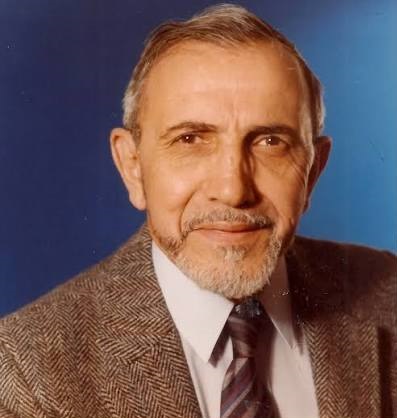
Here is the comprehensive 17-point blog post package tailored for the legendary Indian theatre director, designer, and institution builder, Ebrahim Alkazi:
1. Introduction
Ebrahim Alkazi (1925–2020) was the titan of modern Indian theatre, a visionary art connoisseur, and the legendary founding Director of the National School of Drama (NSD). Often credited with revolutionizing contemporary Indian theatre, Alkazi brought professional rigor, Western classical stagecraft, and deep Indian sensibilities together on the same proscenium. Under his transformative leadership, NSD became the crucible that forged generations of iconic actors and directors, leaving an indelible imprint on India’s cultural landscape.
2. Quick Facts
- Full Name: Ebrahim Alkazi
- Native Name: إبراهيم القاضي (Urdu / Arabic origin)
- Date of Birth: October 18, 1925
- Place of Birth: Pune, Bombay Presidency, British India (now Maharashtra, India)
- Date of Passing: August 4, 2020 (at the age of 94)
- Nationality: Indian
- Occupation/Profession: Theatre Director, Set Designer, Art Collector, Art Historian, Educator
- Field of Achievement: Modern Indian Theatre, Drama Education, and Visual Arts
- Years Active: 1940s–2020
3. Award Information (Padma Vibhushan)
- Award Name: Padma Vibhushan
- Award Category: Civil Honour (Second-highest civilian award in India)
- Award Year: 2010
- Presented By: Government of India
- Date of Ceremony: March 2010 (Rashtrapati Bhavan, New Delhi)
- Citation/Official Reason: Recognized for exceptional and distinguished service to art, theatre education, and the enrichment of India’s cultural heritage.
- Previous Recipients: Eminent scientists, artists, and public leaders of prior cycles.
- Next Recipients: Subsequent laureates in following years.
4. Why He Received the Award
Ebrahim Alkazi was conferred the Padma Vibhushan (following his earlier Padma Shri in 1966 and Padma Bhushan in 1991) for his towering, foundational role in modernizing Indian theatre and building premier cultural institutions. By introducing rigorous, holistic training at the National School of Drama and staging monumental productions that married ancient Sanskrit and European classical traditions, he placed Indian theatre on the global map.
5. Early Life
Born in Pune on October 18, 1925, into a prosperous family of Arab descent originating from Kuwait, Ebrahim was one of nine siblings. Raised in an intellectually cosmopolitan environment in Pune and later Bombay (Mumbai), he grew up speaking English, Urdu, Marathi, and Arabic. His early exposure to both Western literature and Indian classical arts ignited a lifelong passion for performance and visual aesthetics.
6. Education
- Schooling: St. Xavier’s High School, Bombay.
- Undergraduate: St. Xavier’s College, Bombay, where he graduated with a degree in English Literature and actively participated in student theatre groups.
- Advanced Theatre Training: Royal Academy of Dramatic Art (RADA), London, in the late 1940s, where he won the prestigious Silver Medal for directing.
7. Career Journey
- 1940s–1950s: Associated with the progressive Theatre Group in Bombay, directing landmark English and Hindustani plays.
- 1950s: Served as the Director of the Theatre Unit’s Bulletin and became a central figure in promoting modern Indian art alongside leading painters.
- 1962–1977: Appointed the Director of the National School of Drama (NSD) in New Delhi, transforming it into India’s premier acting academy.
- 1977–Present: Founded the Art Heritage Gallery in New Delhi with his wife Roshen Alkazi, promoting modern Indian art, and established the Alkazi Foundation for the Arts.
8. Major Achievements
- NSD Golden Era: Trained and mentored iconic actors and directors who defined Indian cinema and theatre, including Naseeruddin Shah, Om Puri, Rohini Hattangadi, and Manohar Singh.
- Monumental Open-Air Productions: Staged breathtaking historical and classical plays in unconventional architectural settings, such as Tughlaq at the Purana Qila (Old Fort) in Delhi.
- Art Patronage: Built one of the world’s most extensive archives of historical Indian photography and modern art through the Alkazi Foundation for the Arts.
9. Contribution to the Nation
Alkazi transformed theatre from an amateur pastime into a disciplined, professional vocation in independent India. By bridging regional folk traditions with Western theatrical techniques, he forged a distinct modern Indian idiom. Furthermore, his tireless advocacy for visual and performing arts preserved critical chapters of Indian cultural history for future generations.
10. Other Awards and Honours
- Padma Shri (1966)
- Padma Bhushan (1991)
- Padma Vibhushan (2010)
- Sangeet Natak Akademi Fellowship (1967) (Ratna Sadsya), its highest honor
- Kalidas Samman (1984) by the Government of Madhya Pradesh
- John D. Rockefeller 3rd Award (1976) for contributions to international cultural relations
11. Legacy and Influence
Ebrahim Alkazi remains synonymous with the golden age of modern Indian theatre. He viewed a play not merely as dialogue, but as a total work of art encompassing architecture, costume, lighting, and psychological depth. His students and disciples carry forward his uncompromising standard of creative excellence across global stages and film screens.
12. Interesting Facts
- Multifaceted Visionary: Though universally known for theatre, Alkazi was also an elite art collector and a pioneer in documenting 19th-century Indian photography.
- Architectural Staging: He revolutionized Indian staging by utilizing natural heritage backdrops—most famously turning Delhi’s ancient Purana Qila into an open-air theatre for Girish Karnad’s Tughlaq.
- Family of Artists: His wife Roshen Alkazi was an eminent costume designer and art critic, and his children, Amal Allana and Feisal Alkazi, are prominent theatre directors in their own right.
13. Quotes
“Theatre is not just entertainment; it is an exploration of the human condition, a mirror to society, and an act of cultural awakening.” — Ebrahim Alkazi
14. Timeline
- 1925: Born on October 18 in Pune, British India.
- 1940s: Active in the Bombay theatre scene; later studies at RADA in London.
- 1962: Takes charge as the Director of the National School of Drama (NSD) in New Delhi.
- 1966: Conferred the Padma Shri.
- 1977: Retires from NSD and founds Art Heritage Gallery in Delhi.
- 1991: Awarded the Padma Bhushan.
- 2010: Honored with the Padma Vibhushan by the Government of India.
- 2020: Passes away on August 4 at the age of 94 in New Delhi.
15. References
- Wikipedia contributors, “Ebrahim Alkazi,” Wikipedia, The Free Encyclopedia.
- Sangeet Natak Akademi Archives – Profiles of Fellows.
- Alkazi Foundation for the Arts – Historical Archives & Biographies.
- Obituaries and tributes in The Hindu, The Indian Express, and Scroll.in.
16. Related Personalities
- Girish Karnad: Renowned playwright whose historical play Tughlaq received legendary staging under Alkazi.
- Naseeruddin Shah & Om Puri: Iconic alumni of NSD trained directly under Ebrahim Alkazi.
- Roshen Alkazi: Noted costume designer, art historian, and his lifelong creative partner.
17. Frequently Asked Questions (FAQ)
- Q: Who was Ebrahim Alkazi?
- A: Ebrahim Alkazi was a legendary Indian theatre director, set designer, art collector, and the longest-serving Director of the National School of Drama (NSD).
- Q: What is Ebrahim Alkazi most famous for?
- A: He is best known for modernizing Indian theatre education at NSD and directing monumental open-air productions like Tughlaq at the Purana Qila.
- Q: What prestigious civilian honors did he receive?
- A: He was awarded the Padma Shri (1966), Padma Bhushan (1991), and India’s second-highest civilian honor, the Padma Vibhushan, in 2010.
- Q: When did he pass away?
- A: He passed away on August 4, 2020, at the age of 94 in New Delhi.
About the Author