1. Introduction
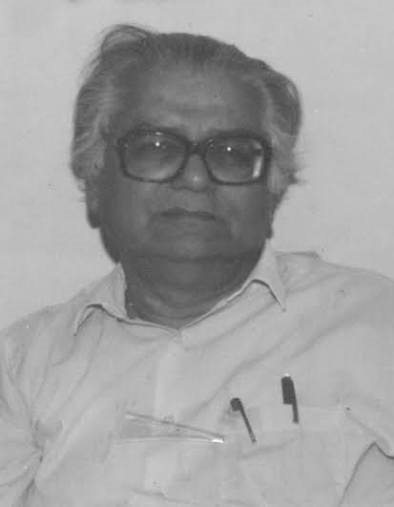
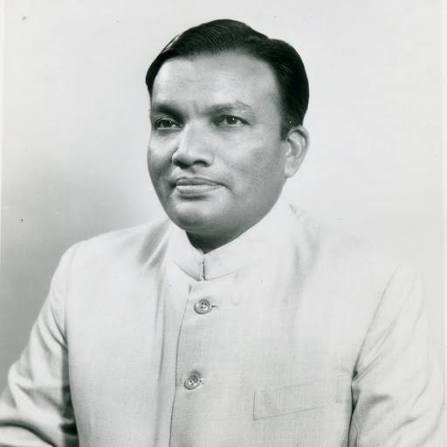
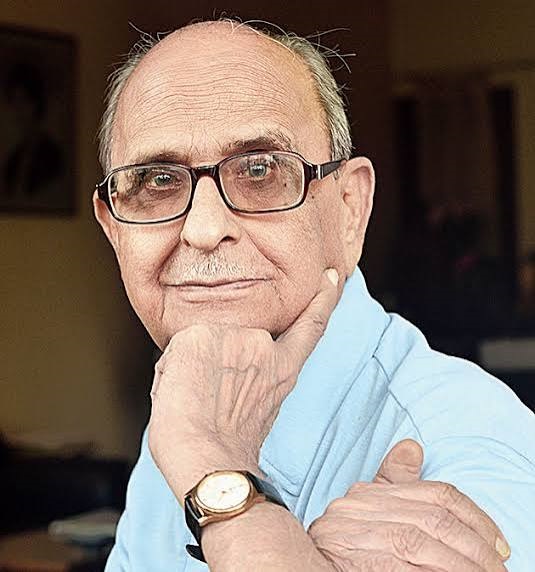
Gurbachan Singh Talib (1911–1986) was a towering Indian Sikh scholar, prolific author, professor, and translator. Widely celebrated for his command of both English and Punjabi literatures, he dedicated his life to advancing Sikh studies, philosophy, and history. His monumental achievement is the authoritative four-volume English translation of the Guru Granth Sahib, which made sacred Sikh scriptures accessible to a global audience.
2. Quick Facts
- Full Name: Gurbachan Singh Talib
- Native Name: ਗੁਰਬਚਨ ਸਿੰਘ ਤਾਲਿਬ
- Date of Birth: April 7, 1911
- Place of Birth: Moonak, Sangrur district, Punjab, British India
- Nationality: Indian
- Occupation/Profession: Scholar, Author, Educator, Translator
- Field of Achievement: Sikh Studies, English/Punjabi Literature, and Education
- Years Active: 1933–1986
3. Award Information (Focus on Padma Bhushan)
- Award Name: Padma Bhushan
- Award Category: Civilian Award (India’s third-highest civilian honour)
- Award Year: 1985
- Presented By: Government of India
- Date of Ceremony: 1985 (Republic Day honours list)
- Citation/Official Reason: For distinguished service and exceptional contributions to literature and education.
- Previous Recipients (Optional): Notable literary figures and scholars of earlier years.
- Next Recipients: Subsequent cohorts of 1985/1986 civilian awardees.
4. Why They Received the Award
Gurbachan Singh Talib received the Padma Bhushan in recognition of his lifelong dedication to academic rigor, his extensive theological writings, and his role in uplifting Punjabi and English literature. Most notably, his scholarly brilliance in translating the Guru Granth Sahib into English bridged a vital cultural and spiritual gap, introducing deep Sikh metaphysical philosophies to international scholarship.
5. Early Life
Born on April 7, 1911, in Moonak (then part of the Patiala princely state) to Sardar Nihal Singh (or Kartar Singh) and Nand Kaur/Jai Kaur, Talib grew up in an environment that valued public service and education. He completed his matriculation from Raj High School, Sangrur, in 1927, securing a merit scholarship that paved the way for his advanced studies.
6. Education
Talib pursued higher education at the prestigious Khalsa College, Amritsar. He achieved a historic milestone by securing a First Class First in his Master of Arts (M.A.) in English Literature from Panjab University in 1933—an unprecedented feat at the time for a student from a mofussil (regional) college, which immediately established his academic legend.
7. Career Journey
- Early Teaching: Began as a lecturer at Khalsa College, Amritsar, later moving to Sikh National College, Lahore.
- Administrative Roles: Served as Principal across multiple institutions including Lyallpur Khalsa College (Jalandhar), Khalsa College (Bombay & Delhi), and National College (Sirsa).
- University Professorships: Worked as Reader in English at Kurukshetra University, the inaugural Guru Nanak Professor of Sikh Studies at Panjab University, Chandigarh, and Head of the Department of Guru Nanak Sikh Studies at Punjabi University, Patiala.
8. Major Achievements
- English Translation of Guru Granth Sahib: A monumental four-volume scholarly rendering of the holy Sikh scripture.
- Sahitya Akademi Fellowship (1984): India’s highest literary honor conferred upon living authors.
- National Fellowship (1985): Awarded by the Indian Council of Historical Research (ICHR), New Delhi.
9. Contribution to the Nation
Beyond theological translation, Talib documented critical historical realities. His 1950 publication, Muslim League Attack on the Sikhs and Hindus in Punjab, 1947, commissioned by the SGPC, served as a foundational historical archive providing eyewitness accounts of the Partition. Through his academic posts, he shaped generations of critical thinkers and institutionalized Sikh studies as a recognized, rigorous academic discipline in Indian universities.
10. Other Awards and Honours
- Sahitya Akademi Fellowship: 1984
- ICHR National Fellowship: 1985
- Punjab State Award for Literature: 1962
- D.Litt. (Honoris Causa): Conferred by Punjabi University, Patiala.
11. Legacy and Influence
Prof. Gurbachan Singh Talib is remembered as a master of both spoken and written word. His legacy lives on through his translations and books like Guru Tegh Bahadur: Background and Supreme Sacrifice (1976) and The Impact of Guru Gobind Singh on Indian Society (1966). He cemented a path for modern comparative religion and structured academic exploration of Sikh ethos globally.
12. Interesting Facts
- Unprecedented Academic Record: His topping of the Panjab University M.A. English examination from a regional college created a wave of academic folklore regarding his exceptional speed and command over English prose.
- Polyglot: Alongside English and Punjabi, he possessed deep command over Urdu and Persian.
13. Quotes
“The spiritual message of the Gurus transcends narrow sectarian barriers, offering a universal path of love, truth, and righteous action for all humanity.” — Gurbachan Singh Talib
14. Timeline
- 1911: Born on April 7 in Moonak, Punjab
- 1933: Earns M.A. in English Literature from Khalsa College, Amritsar
- 1950: Publishes Muslim League Attack on the Sikhs and Hindus in Punjab, 1947
- 1969–1973: Serves as Guru Nanak Professor of Sikh Studies at Panjab University
- 1984: Receives the Sahitya Akademi Fellowship
- 1985: Awarded the Padma Bhushan by the Government of India
- 1986: Passed away on April 9 in Patiala, Punjab
15. References
- Wikipedia: Gurbachan Singh Talib
- The Encyclopedia of Sikhism (Punjabi University, Patiala)
- Ministry of Home Affairs, Government of India – Padma Awards Directory
16. Related Personalities
- Bhai Vir Singh (Renowned Punjabi poet and scholar)
- Harbans Singh (Noted Sikh historian and encyclopedist)
- Guru Gobind Singh (Tenth Sikh Guru, a subject of Talib’s extensive research)
17. Frequently Asked Questions (FAQ)
- Q: What is Gurbachan Singh Talib best known for?A: He is best known for his authoritative four-volume English translation of the Guru Granth Sahib and his extensive scholarship in Sikh studies.
- Q: When did he receive the Padma Bhushan?A: He was honored with the Padma Bhushan in the year 1985.
- Q: Which universities did he work with?A: He taught and held prestigious chairs at Panjab University (Chandigarh), Kurukshetra University, Banaras Hindu University, and Punjabi University (Patiala).
About the Author