1. Introduction
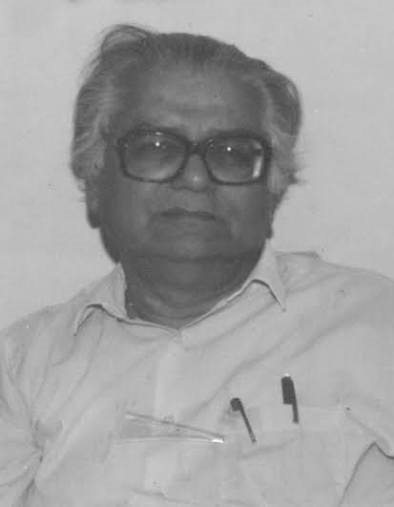
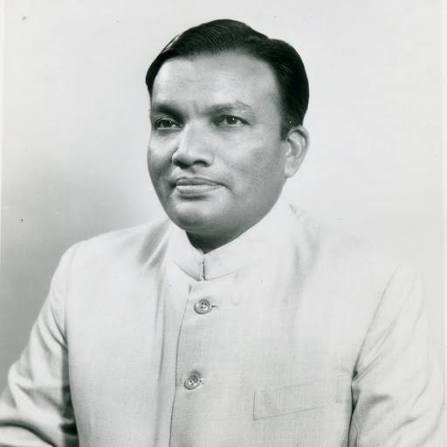
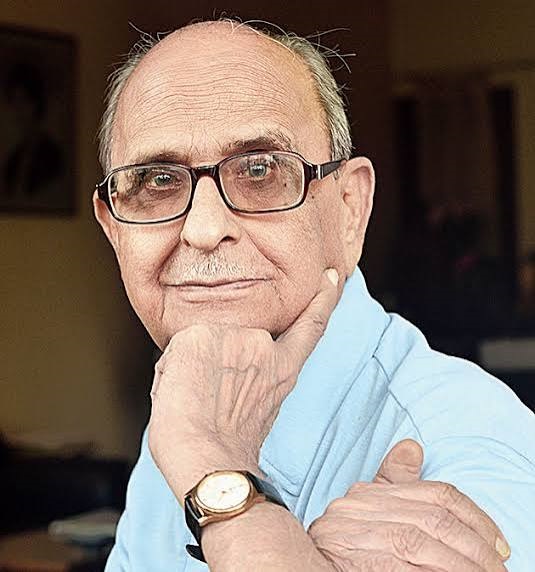
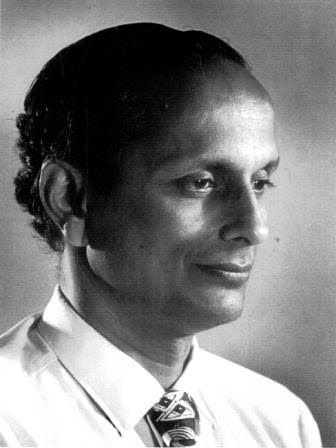
S. Ramaseshan (1923–2003) was a towering figure in Indian science, renowned globally for his pioneering contributions to X-ray crystallography, materials science, and optics. As a brilliant physicist, he served as the Director of the prestigious Indian Institute of Science (IISc) and edited the influential journal Current Science. Deeply rooted in a family of scientific royalty—being the nephew of Nobel laureate Sir C. V. Raman and cousin of the astrophysicist Subramanyan Chandrasekhar—Ramaseshan left an indelible mark on Indian research, institutional leadership, and technological self-reliance.
2. Quick Facts
- Full Name: Sivaraj Ramaseshan
- Native Name: சிவராஜ் ராமசேஷன் (Tamil)
- Date of Birth: October 10, 1923
- Place of Birth: Madras (now Chennai), Tamil Nadu, India
- Nationality: Indian
- Occupation / Profession: Physicist, Crystallographer, Academic Administrator, Editor
- Field of Achievement: X-ray Crystallography, Condensed Matter Physics, Optics, and Materials Science
- Years Active: 1943–2003
3. Award Information
- Award Name: Padma Bhushan
- Award Category: Civilian Award (Third Highest Civilian Award in India)
- Award Year: 2002 (Note: He was honored with various prestigious medals throughout his life, including the Shanti Swarup Bhatnagar Prize in 1966 and the INSA Aryabhata Medal in 1985).
- Presented By: Government of India
- Date of Ceremony: Rashtrapati Bhavan investiture ceremony
- Citation / Official Reason: Recognized for his exceptional contributions to science, technology, and leadership in research and development.
- Previous Recipients: Eminent scientists, educationists, and public servants of preceding years.
- Next Recipients: Subsequent annual civilian honorees.
4. Why They Received the Award
S. Ramaseshan received India’s high civilian and academic recognitions—including the Shanti Swarup Bhatnagar Prize and later the Padma Bhushan—for revolutionizing the field of X-ray crystallography. His development of multiwave anomalous X-ray scattering methods solved complex structural phases, and his foundational work established world-class materials science laboratories in India, driving domestic technological growth.
5. Early Life
Born on October 10, 1923, in Madras, Sivaraj Ramaseshan grew up in an intellectually vibrant environment. He was the son of Sivaramakrishnan and Sitalaxmi (the sister of legendary physicist Sir C. V. Raman). Growing up in close proximity to great scientific minds, his early exposure naturally steered his curiosity toward empirical science and experimentation. He completed his early schooling largely in Nagpur.
6. Education
- B.Sc. (Hons) & M.Sc.: Nagpur University (1943 and 1944)
- AIISC: Indian Institute of Science (IISc), Bangalore (1948)
- D.Sc.: Nagpur University (1949), under the active mentorship and guidance of his uncle, Sir C. V. Raman.
7. Career Journey
- Early Research & Faculty: Began as a research student under C. V. Raman, later joining IISc as a faculty member (1945–1962).
- IIT Madras: Served as Professor and Head of the Department of Physics (1962–1966).
- National Aerospace Laboratories (NAL): Led and built the Materials Science Division as Scientist-F and Director’s Grade Scientist (1966–1979).
- Leadership at IISc: Returned to IISc as Joint Director (1979–1981) and served as the Director of IISc (1981–1984).
- Raman Research Institute (RRI): Served as Honorary Distinguished Professor Emeritus (1984–2003) and edited the journal Current Science.
8. Major Achievements
- Developed the multiwave anomalous X-ray scattering method used to determine crystal reflection phases.
- Established India’s first high-pressure laboratory and first dedicated materials science laboratory.
- Designed and fabricated India’s first nutation damper for the Aryabhata satellite, alongside contributing to FRP porous tubes for desalination and materials for heart valve prostheses.
- Served as the President of the Indian Academy of Sciences (1983–1985).
9. Contribution to the Nation
Ramaseshan bridged fundamental physics and practical national engineering. Long before “Make in India” became a policy, he focused on indigenous technological solutions—ranging from space hardware components (like satellite dampers) to biomedical applications (heart valve materials). By building robust academic and institutional laboratories, he ensured that Indian scientists could conduct world-class frontier research locally.
10. Other Awards and Honours
- Shanti Swarup Bhatnagar Prize (1966): In the Physical Sciences category.
- Vasvik Award (1980): For industrial research and innovation.
- INSA Aryabhata Medal (1985): Awarded by the Indian National Science Academy.
- Fellowship: Fellow of the Indian Academy of Sciences and Indian National Science Academy.
11. Legacy and Influence
Ramaseshan is remembered not only for his profound crystallographic breakthroughs but also for his deep literary and editorial footprint. He co-authored and edited vital volumes on Sir C. V. Raman’s collected works, preserving the historical milestones of Indian science. His mentorship shaped generations of leading Indian physicists and crystallographers.
12. Interesting Facts
- Scientific Dynasty: He was the nephew of Nobel laureate Sir C. V. Raman and the cousin of Nobel-laureate-caliber astrophysicist Subramanyan Chandrasekhar. His brother, S. Pancharatnam, is famous in optics for the “Pancharatnam-Berry phase.”
- Multidisciplinary Genius: Beyond hard physics, Ramaseshan maintained a deeply analytical and open-minded fascination with traditional Indian knowledge systems, once encouraging objective scientific documentation of subjects like Ayurveda and traditional practices.
- Satellite Contributor: He directly applied condensed matter physics principles to build hardware for India’s maiden satellite mission, Aryabhata.
13. Quotes
“In science, the elegance of an experiment lies not in the complexity of the apparatus, but in the clarity of the question asked and the simplicity of the truth it reveals.” — S. Ramaseshan (Reflecting his classical experimental approach)
14. Timeline
- 1923: Born on October 10 in Madras.
- 1949: Earns his D.Sc. from Nagpur University under C. V. Raman.
- 1966: Awarded the Shanti Swarup Bhatnagar Prize.
- 1981–1984: Serves as the Director of the Indian Institute of Science (IISc).
- 1983–1985: President of the Indian Academy of Sciences.
- 2002: Conferred the Padma Bhushan by the Government of India.
- 2003: Passes away on December 29 at the age of 80.
15. References
- Ramaseshan, Sivaraj. International Union of Crystallography (IUCr) Biographical Memoirs.
- Indian Academy of Sciences (IASc) – Historical Archives and Profiles on Prof. S. Ramaseshan.
- The Hindu – Obituary and Archival Reports on S. Ramaseshan’s Life and Career.
16. Related Personalities
- Sir C. V. Raman: Maternal uncle, mentor, and Nobel Laureate in Physics.
- Subramanyan Chandrasekhar: Cousin and Nobel Laureate in Physics.
- S. Pancharatnam: Brother and brilliant optical physicist known for the geometric phase concept.
17. Frequently Asked Questions (FAQ)
- Q: What was S. Ramaseshan’s primary field of research?
- A: He specialized in X-ray crystallography, optics, condensed matter physics, and materials science.
- Q: What is his connection to Sir C. V. Raman?
- A: S. Ramaseshan was the nephew of Sir C. V. Raman and completed his doctoral research directly under his guidance.
- Q: What administrative leadership roles did he hold?
- A: He served as the Head of Physics at IIT Madras, Director of the Indian Institute of Science (IISc), and President of the Indian Academy of Sciences
About the Author