1. Introduction
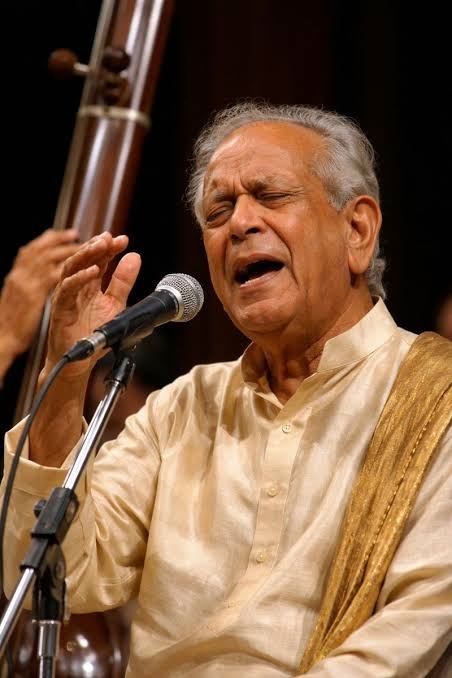
Pandit Bhimsen Joshi (1922–2011) was one of India’s greatest and most beloved Hindustani classical vocalists. Belonging to the illustrious Kirana Gharana, he mesmerized audiences worldwide with his powerful voice, precise pitch control, and deeply emotional renditions of khayal singing. Best known for immortalizing devotional masterpieces like Mile Sur Mera Tumhara, he transformed classical music from an elite art form into a unifying voice for millions across India.
2. Quick Facts
- Full Name: Bhimsen Gururaj Joshi
- Native Name: ভীমসেন জোশী (Bengali context / Kannada: ಭೀಮಸೇನ ಜೋಶಿ)
- Date of Birth: February 4, 1922
- Place of Birth: Ron, Dharwad district, Karnataka, British India
- Nationality: Indian
- Occupation / Profession: Classical Vocalist, Musician, and Playback Singer
- Field of Achievement: Hindustani Classical Music (Vocal)
- Years Active: 1930s – 2009
3. Award Information (Focus: Bharat Ratna)
- Award Name: Bharat Ratna
- Award Category: India’s Highest Civilian Honour
- Award Year: 2008 (Officially presented in February 2009)
- Presented By: Government of India (President of India)
- Date of Ceremony: February 10, 2009 (Special low-key ceremony held at his residence in Pune due to health reasons)
- Citation/Official Reason: In recognition of his matchless lifetime contribution to Indian classical vocal music and for elevating the rich cultural heritage of the nation.
- Previous Recipient (Music): M.S. Subbulakshmi (1998)
- Next Recipient: C.N.R. Rao and Sachin Tendulkar (2014)
4. Why He Received the Award
Pandit Bhimsen Joshi was awarded the Bharat Ratna for his monumental contributions to the world of music. His peerless command over the khayal genre, his ability to seamlessly blend technical perfection with emotional depth, and his dedication to popularizing Indian classical music globally made him a national treasure.
5. Early Life
Bhimsen Joshi was born into a Kannada-speaking Deshastha Madhwa Brahmin family in Ron, Karnataka. His father, Gururaj Joshi, was a schoolteacher. Growing up with a deep fascination for music—particularly drawn to the sounds of live recitals and gramophone records—young Bhimsen ran away from home at the age of 11 in 1933 to find a proper guru and learn music, traveling through Dharwad, Pune, Gwalior, and Lucknow.
6. Education
- Early Schooling: Completed basic education in Gadag and Dharwad.
- Musical Apprenticeship (Talim): Spent years under various masters, notably studying briefly under Vinayakrao Patwardhan, before finding his ultimate mentor, Sawai Gandharva (Rambhau Kundgolkar), in Kundgol from 1936 to 1945, where he underwent rigorous traditional training.
7. Career Journey
- 1941: Gave his very first live public performance at the age of 19.
- 1943: Released his first Kannada and Hindi devotional record in Mumbai, marking his entry into professional recording.
- 1946: Settled in Pune, which became his permanent artistic base.
- 1950s–1980s: Established himself as the undisputed superstar of Hindustani khayal, touring globally and pioneering the Sawai Gandharva Music Festival in Pune as an annual tribute to his guru.
- 1988: Lent his voice to the historic national integration anthem Mile Sur Mera Tumhara, etching his voice into the heart of every Indian.
8. Major Achievements
- First male vocalist in contemporary history to achieve massive commercial success and widespread public adoration while remaining deeply faithful to pure classical traditions.
- Created legendary renditions of ragas such as Todi, Malkauns, Darbari Kanada, Ramkali, and Yaman.
- Successfully bridged classical art and popular culture through film playback singing (such as in films like Basant Bahar and Bhairavi).
9. Contribution to the Nation
Beyond his musical brilliance, Pandit Joshi served as a cultural unifier. Through his participation in Mile Sur Mera Tumhara, he symbolized national integration. By founding the Arya Sangeet Prasarak Mandal, he nurtured generations of classical artists and created an institutional stage (the Sawai Gandharva Sangeet Mahotsav) that keeps traditional Indian classical music vibrant and accessible.
10. Other Awards and Honours
- Padma Shri (1972)
- Sangeet Natak Akademi Award (1975)
- Padma Bhushan (1985)
- Sangeet Natak Akademi Fellowship (1998)
- Padma Vibhushan (1999)
- Karnataka Ratna (1999) – State’s highest civilian honor
11. Legacy and Influence
Pandit Bhimsen Joshi redefined the boundaries of the Kirana Gharana by integrating elements from other styles like Gwalior and Patiala to create a richer, fuller aesthetic. His thunderous yet deeply emotional voice, dynamic breath control, and charismatic stage presence set a gold standard for classical vocalists worldwide.
12. Interesting Facts
- The Runaway Musician: As a child, he was so obsessed with music that he ran away from home with virtually no money, buying train tickets by singing for passengers or relying on strangers.
- Car Enthusiast: Aside from music, Panditji had a legendary passion for automobiles and loved driving fast cars around Pune.
- Devotional Roots: Despite performing complex classical ragas, his heart remained deeply attached to Marathi Abhangs (devotional songs of Saint Tukaram and Dnyaneshwar), which he sang with unmatched pathos.
13. Quotes
“Music has no language, no caste, and no religion. It is a direct bridge to the divine.” — Pandit Bhimsen Joshi
14. Timeline
- 1922: Born on February 4 in Ron, Karnataka
- 1933: Leaves home to pursue formal training in music
- 1936: Begins intensive tutelage under Sawai Gandharva
- 1941: Makes his debut public performance
- 1985: Conferred the Padma Bhushan
- 1988: Records the iconic Mile Sur Mera Tumhara anthem
- 2009: Awarded India’s highest civilian honor, the Bharat Ratna
- 2011: Passes away on January 24 in Pune at the age of 88
15. References
- Wikipedia contributors. Bhimsen Joshi. Wikipedia, The Free Encyclopedia.
- President of India official press releases archive (Bharat Ratna announcement, 2008).
- Britannica, The Editors of Encyclopaedia. Bhimsen Joshi profile.
16. Related Personalities
- Sawai Gandharva: Principal guru and mentor who shaped his unique Kirana style.
- Gangubai Hangal: Fellow stalwart of the Kirana Gharana and lifelong peer from Dharwad.
- Kumar Gandharva: Contemporary musical genius who revolutionized modern Hindustani classical interpretations.
17. Frequently Asked Questions (FAQ)
Q1: What gharana did Pandit Bhimsen Joshi belong to?
A: He belonged to the prestigious Kirana Gharana, known for its deep emphasis on slow, meditative development of ragas and precise pitch accuracy.
Q2: When did Pandit Bhimsen Joshi receive the Bharat Ratna?
A: He was awarded the Bharat Ratna in 2008 (and officially handed the award at his residence in February 2009).
Q3: What was Pandit Bhimsen Joshi’s most famous pop-cultural contribution?
A: He is widely celebrated for lending his iconic voice to the core segment of the 1988 national integration song Mile Sur Mera Tumhara.
About the Author