1. Introduction
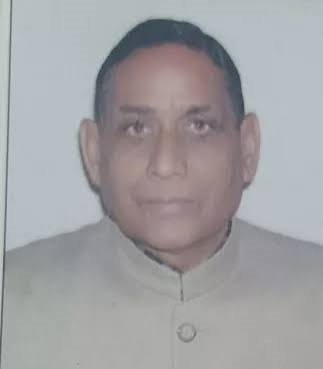
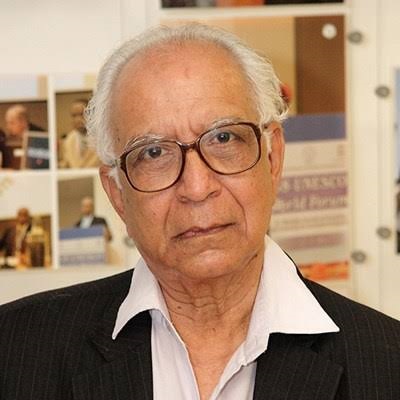
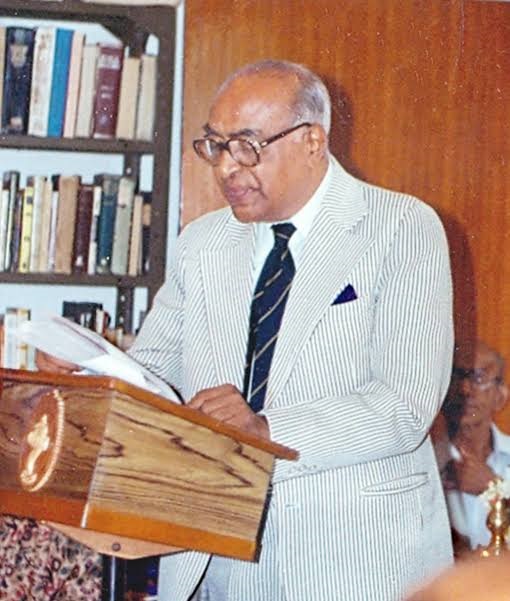
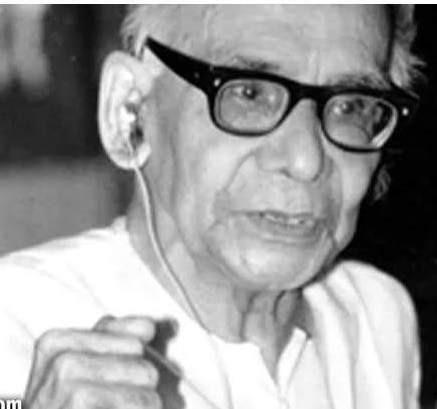
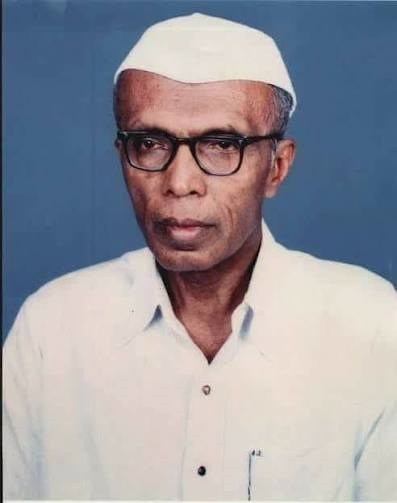
Dr. Hosur Narasimhaiah (1920–2005), popularly known as “HN”, was a legendary Indian physicist, educator, freedom fighter, author, and fierce rationalist from Karnataka. Widely respected as an uncompromising crusader for scientific temper, he dedicated his life to eradicating blind faith, promoting critical inquiry, and expanding accessible, high-quality education for rural and underprivileged students.
2. Quick facts
- Full Name: Hosur Hanumanthappa Narasimhaiah
- Native Name: ಡಾ. ಎಚ್. ನರಸಿಂಹಯ್ಯ (Kannada)
- Date of Birth: 6 June 1920
- Place Of birth: Hosur, a village near Gauribidanur, Chikkaballapur district, Karnataka, India
- Nationality: Indian
- Occupation/ Profession: Physicist, Educator, College Principal, University Vice-Chancellor, Author, and Activist
- Filed of Achievement: Nuclear Physics, Higher Education Administration, and Rationalist Movement
- Years Active: 1940s–2005
3. Award Information (Padma Bhushan)
- Award Name: Padma Bhushan
- Award Category: India’s Third-Highest Civilian Honour
- Award Year: 1984 (announced/awarded in this cycle)
- Presented By: The President of India
- Date of Ceremony: 1984 (Republic Day honors cycle)
- Citation/Official Reason: In recognition of his distinguished services, stellar academic leadership, and profound contributions to education and science dissemination.
- Previous Recipients: Eminent educators, public figures, and scientists from preceding honor cycles.
- Next Recipients: Notable national achievers from subsequent honor lists.
4. Why they Receive the award?
Dr. Narasimhaiah received the Padma Bhushan for his lifetime devotion to educational equity, institutional excellence, and the promotion of a scientific outlook across society. His transformative leadership as the Principal of National College and Vice-Chancellor of Bangalore University, combined with his fearless fight for rationalism, profoundly shaped modern public life in Karnataka.
5. Early Life
Born into a very poor, disadvantaged agricultural family in rural Hosur, Karnataka, Narasimhaiah faced severe financial hardships during his youth. Despite the lack of resources and social barriers, his sheer willpower drove him forward. As a young student in Bangalore, he even had the privilege of interacting with Mahatma Gandhi when the latter visited National High School, and young Narasimhaiah famously translated Gandhi’s Hindi speech into Kannada.
6. Education
- Schooling: Completed elementary education locally in Hosur and moved to Bangalore in 1935 to attend National High School, Basavanagudi.
- Undergraduate & Postgraduate: Earned his B.Sc. (Honors) and Master’s degree in Physics with first class from Central College, Bangalore (1946).
- Doctorate: Earned his Ph.D. in Nuclear Physics from Ohio State University, Columbus, USA (1960), completing his thesis on The Radioactive Decay of Hafnium and Thulium Isotopes.
7. Carrier Journey
- Freedom Struggle: Paused his college education in 1942 to actively participate in the Quit India Movement, spending time imprisoned in Bangalore, Mysore, and Yerawada jails (later honored with the Tamrapatra award).
- Teaching Career: Began teaching physics at National College, Bangalore, in 1946, eventually serving as its visionary Principal from 1961 to 1972.
- Global Exposure: Served as a Fulbright Scholar and Visiting Professor of Physics at Southern Illinois University, USA (1967–1968).
- Administrative Leadership: Appointed Vice-Chancellor of Bangalore University (1973–1977), where he spearheaded massive academic structural expansions.
- Legislative Service: Nominated as a member of the Karnataka Legislative Council (1980–1986).
8. Major Achievements
- The Bangalore Science Forum (BSF): Founded BSF in 1962 to host weekly public science lectures, helping bridge the gap between elite research labs and common citizens.
- Challenging Superstition: As Bangalore University VC, he boldly established and chaired a committee to scientifically investigate “miracles” and godmen, challenging blind faith head-on.
- Rationalist Icon: Elected President of the Indian Rationalist Association in 1983 and made a Fellow of the committee for the Scientific Investigation of Claims of the Paranormal (USA).
9. Contribution to the nation
Dr. Narasimhaiah championed the democratization of education by establishing rural colleges in backward regions like Gauribidanur and Bagepalli. A staunch proponent of regional languages, he fought for education delivery through the mother tongue and heavily cultivated scientific temper to lift society out of dogma.
10. Other Awards and Honours
- Tamrapatra Award (Freedom Fighter Recognition)
- Rajyotsava Prashasti (1969) – Government of Karnataka state award.
- Padma Bhushan (1984) – Conferred by the Government of India.
- Nadoja Award – Honorary doctorate from Kannada University, Hampi.
- Karnataka Sahitya Academy Awards – For his essay collection Tereda Mana and autobiography Horaatada Haadi.
11. Legacy and influence
HN is remembered as an institutional architect and the moral conscience of Karnataka’s academic community. His simple lifestyle—often seen wearing a simple khadi jubba and traveling by public bus even as a Vice-Chancellor—made him a legendary folk hero of absolute integrity and intellectual honesty.
12. Interesting Facts
- Eating During a Solar Eclipse: To debunk the widespread myth that food cooked or eaten during a solar eclipse causes indigestion or bad luck, he famously organized public dining events during eclipses.
- The Question Mark Office: His office wall famously featured a giant question mark and a quote from Albert Einstein: “Great spirits have always encountered violent opposition from mediocre minds.”
- Refusing Conformity: When his father passed away, he famously refused to follow the traditional custom of tonsuring his head, standing firm against blind societal rituals.
13. Quotes
“Do not accept anything without questioning.” — (His core life motto emphasizing the scientific method and critical thinking)
14. Timeline
- 1920: Born on June 6 in Hosur, Karnataka
- 1942: Imprisoned for participating in the Quit India Movement
- 1960: Earned his Ph.D. in Nuclear Physics from Ohio State University
- 1962: Founded the Bangalore Science Forum
- 1973–1977: Served as Vice-Chancellor of Bangalore University
- 1984: Conferred the Padma Bhushan by the Government of India
- 2005: Passed away on January 31 at the age of 84 in Bangalore
15. References
- Wikipedia contributors. “Hosur Narasimhaiah.” Wikipedia, The Free Encyclopedia.
- Karnataka Legislative Council Database. Ex-Member Profile: Dr. H. Narasimhaiah.
- Rangasthe Trust Archives. “Dr. H. Narasimhaiah Biography and Contributions”.
16. Related Personalities
- Mahatma Gandhi (National icon whose freedom ideals influenced HN during his youth)
- Sir M. Visvesvaraya (Visionary engineer-statesman whose ideals of nation-building deeply inspired Karnataka’s academic leaders)
- Pankaj Advani / Regional Scholars (Figures influenced by the scientific framework built in Bangalore’s institutional ecosystem)
17. Frequently Asked Questions (FAQ)
- Q: Who was Hosur Narasimhaiah?A: He was an eminent Indian nuclear physicist, freedom fighter, educator, and rationalist who served as the Vice-Chancellor of Bangalore University.
- Q: Why is he widely remembered?A: He is best remembered for promoting scientific temper, debunking superstitions and fake godmen, and expanding rural education in Karnataka.
- Q: When did he receive the Padma Bhushan?A: He was honored with the Padma Bhushan in 1984.
About the Author