1. Introduction
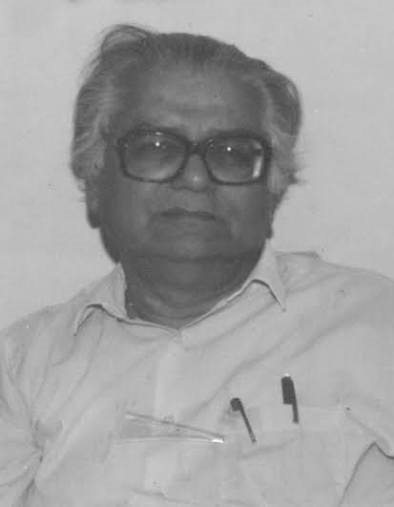
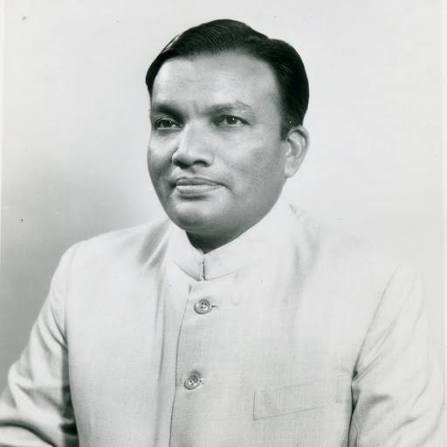
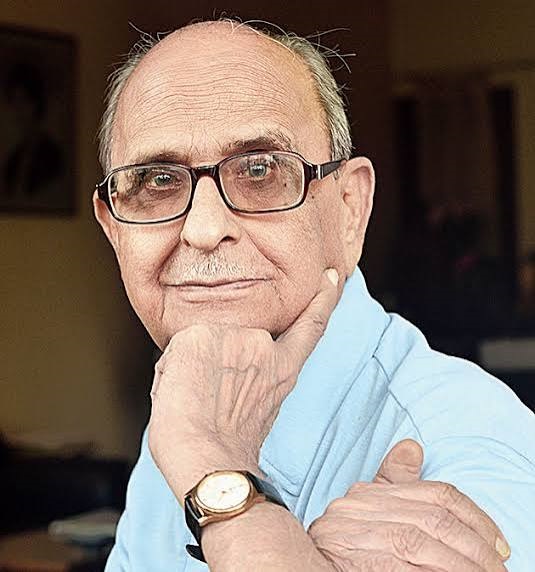
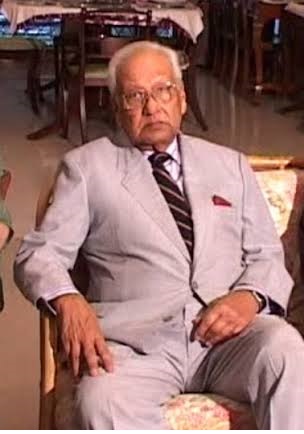
K. Sankaran Nair (widely known among his peers by the codename “Colonel Menon”) was one of India’s most legendary spymasters, civil servants, and diplomats. As a core architect of India’s external intelligence apparatus, he served as the Director of the Research and Analysis Wing (R&AW) and played a monumental, behind-the-scenes role in major geopolitical milestones, most notably the 1971 Bangladesh Liberation War. He was also the last surviving member of the elite colonial-era Indian Imperial Police (IP).
2. Quick Facts
- Full Name: Kollengode Sankaran Nair
- Native Name: കെ. ശങ്കരൻ നായർ
- Date of Birth: December 20, 1919
- Place of Birth: Ottapalam, Palakkad District, Madras Presidency, British India (now Kerala, India)
- Nationality: Indian
- Occupation/Profession: Intelligence Officer, Civil Servant, and Diplomat
- Field of Achievement: National Security, Geopolitical Strategy, and Intelligence Operations
- Years Active: 1940s – 1988
3. Award Information
- Award Name: Padma Bhushan
- Award Category: India’s Third-Highest Civilian Honour
- Award Year: 1983
- Presented By: The President of India
- Date of Ceremony: Conferred annually around Republic Day
- Citation/Official Reason: Recognized for his exceptional and distinguished service to the nation and society.
4. Why Did He Receive the Award?
Sankaran Nair was awarded the Padma Bhushan for his lifetime of exceptional public service, particularly for successfully steering monumental national responsibilities. Beyond his foundational intelligence operations during wartime, he was specifically honored for his leadership as the Secretary-General of the 1982 Asian Games, where he worked alongside political leadership to pull off a flawless global sporting event amidst tight security and terrorist threats.
5. Early Life
Born into a traditional family in Ottapalam, Kerala, Nair grew up during the height of the Indian independence movement. Displaying sharp intellect and a commanding physical presence, he navigated his youth during a turbulent transitional phase of British India before stepping directly into elite administrative service.
6. Education
- Schooling: Completed his early education in local institutions in Kerala and Madras Presidency.
- Higher Education: Attended the prestigious Loyola College, Chennai, where he completed his undergraduate degree.
- Legal Studies: Briefly pursued a degree in law, but abandoned his legal studies midway when he was selected for premier civil service training.
7. Career Journey
- Indian Imperial Police (IP): Inducted into the British-run Imperial Police before independence, holding the distinction of being its last surviving alumnus in later life.
- Intelligence Bureau (IB): Transitioned smoothly into independent India’s domestic intelligence agency under its founding leadership. In 1959, he traveled to Ghana on a critical two-year assignment to help establish Ghana’s national intelligence agency.
- Founding R&AW (1968): When R&AW was carved out of the IB as an independent external agency, Nair became the right-hand man and deputy to legendary spymaster R.N. Kao.
- Director of R&AW: Briefly served as the chief of R&AW in 1977, stepping down shortly after in protest when the government attempted to downgrade the rank and restrict operations.
- Diplomatic Service: Later returned to government assignments, successfully managing the 1982 Asian Games and serving as India’s High Commissioner to Singapore from 1986 until his retirement in 1988.
8. Major Achievements
- Architect of the 1971 War Operations: During the Bangladesh Liberation War, Nair was directly in charge of R&AW’s field operations. He masterminded the logistical, intelligence, and tactical training pipeline for the Mukti Bahini guerillas, which critically crippled Pakistani military lines and secured the birth of Bangladesh.
- Agency Restructuring: Played a monumental role in rebuilding and restructuring R&AW’s operational capacity upon returning to active strategic advisory roles in 1980.
- Literary Contribution: Authored the explosive and critically acclaimed 2008 memoir, Inside IB and R&AW: The Rolling Stone that Gathered Moss, offering rare institutional insights into India’s shadow wars and political decisions.
9. Contribution to the Nation
Nair’s contributions safeguarded India’s borders during its most fragile geopolitical decades. From institutionalizing foreign intelligence setups (like in Ghana) to executing high-stakes covert frameworks that altered the map of South Asia in 1971, he shaped the spine of India’s national security framework. Later, as secretary of the Minorities Commission and diplomat, he anchored domestic administration and international diplomatic ties alike.
10. Other Awards and Honours
- Padma Bhushan (1983) – Government of India
- Recognition from the Union Government for successful execution and management of the 1982 Asian Games.
11. Legacy and Influence
Revered as an intimidating, sharp, yet profoundly disciplined officer, K. Sankaran Nair set the operational standards for modern Indian intelligence. Colleagues remember him as “Colonel Menon” due to his strict demeanor and military-like precision. His memoirs remain core reading texts for defense analysts, students of foreign policy, and security historians tracking South Asian statecraft.
12. Interesting Facts
- The “Colonel Menon” Persona: He was so imposing that even senior bureaucrats and junior officers would reportedly step behind pillars or avoid eye contact when he strode down office corridors.
- The 1940 IP Tie: Even into his late 80s and 90s, he proudly retained and occasionally wore his original 1940 Imperial Police tie as a badge of his early service roots.
- Resignation on Principle: True to his fierce independence, he resigned from his post as R&AW Chief after just three months when political leadership tried to compromise the institutional autonomy of the intelligence apparatus.
13. Quotes
“An intelligence agency does not look for immediate applause; its greatest victories are often the crises that never happened.” (Reflecting on the silent nature of espionage)
14. Timeline
- 1919: Born on December 20 in Ottapalam, Kerala.
- 1940s: Enters the British-era Indian Imperial Police.
- 1959–1961: Deployed to Ghana to build their intelligence framework.
- 1968: Helps launch R&AW alongside R.N. Kao as his primary deputy.
- 1971: Manages critical cross-border intelligence and guerrilla-training operations during the Bangladesh Liberation War.
- 1977: Briefly heads R&AW before resigning on principle.
- 1982: Serves as Secretary-General for the historic 1982 Asian Games.
- 1986–1988: Serves as India’s High Commissioner to Singapore.
- 2008: Publishes his landmark memoir, Inside IB and R&AW.
- 2015: Passes away on November 17 in Bengaluru at the age of 95.
15. References
- Wikipedia contributors. “K. Sankaran Nair.” Wikipedia, The Free Encyclopedia.
- K. Sankaran Nair (2008). Inside IB and R&AW: The Rolling Stone that Gathered Moss. Manas Publications.
- The Hindu & DailyO archives. Obituaries and historical retrospectives on former R&AW chiefs.
16. Related Personalities
- R.N. Kao (Founder Director of R&AW and close mentor)
- Indira Gandhi (Former Prime Minister of India)
- Morarji Desai (Former Prime Minister of India)
- Rajiv Gandhi (Former Prime Minister of India)
17. Frequently Asked Questions (FAQ)
Q1: Who was K. Sankaran Nair?
A: K. Sankaran Nair was a legendary Indian civil servant, diplomat, and intelligence chief who served as the Director of R&AW and played a critical role in the 1971 Bangladesh Liberation War.
Q2: Why was he called “Colonel Menon”?
A: “Colonel Menon” was a popular codename and nickname used among his intelligence colleagues due to his strict, disciplined, and authoritative military-like demeanor.
Q3: What book did K. Sankaran Nair write?
A: He authored the 2008 memoir titled Inside IB and R&AW: The Rolling Stone that Gathered Moss, which details his experiences inside India’s premier intelligence agencies.
About the Author