1. Introduction
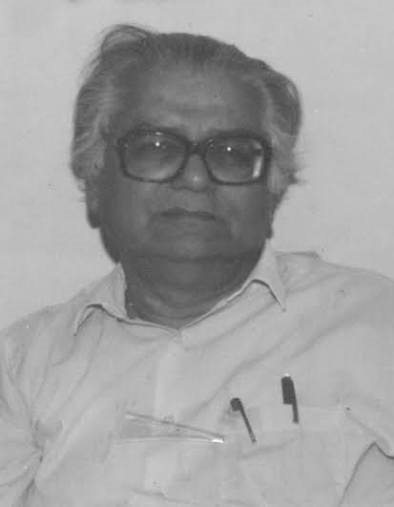
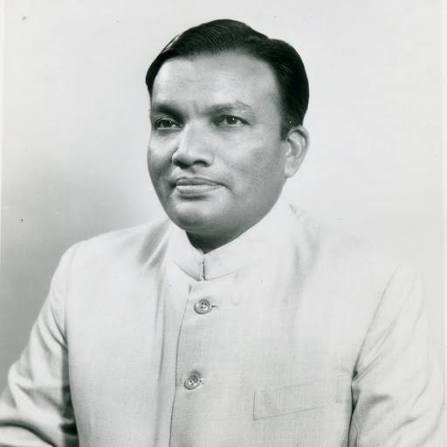
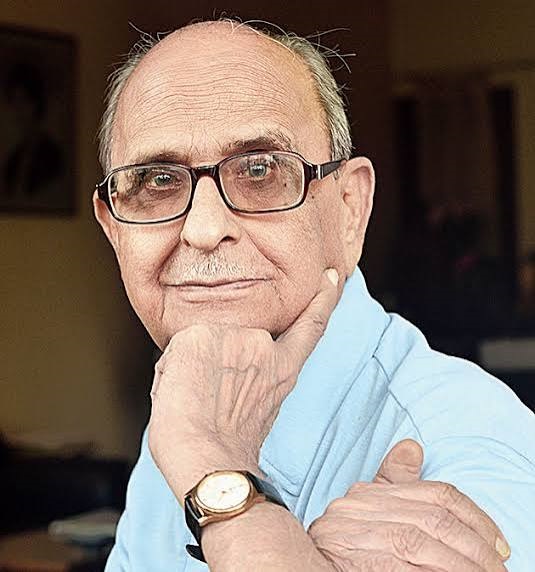
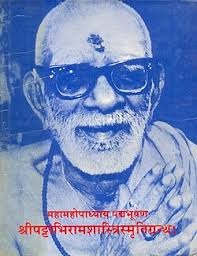
Mahamahopadhyaya Pandit P. N. Pattabhirama Sastri was one of the 20th century’s most preeminent traditional scholars of Sanskrit literature, Vedic hermeneutics, and the Mīmāṃsā school of philosophy. Bridging rigorous ancient shastric traditions with modern institutional academia, he spent decades recovering lost texts, editing seminal commentaries, and mentoring generations of students. As a founding visionary of national Sanskrit higher education, his life work preserved the heartbeat of India’s classical intellectual heritage.
2. Quick Facts
- Full Name: Pudukkottai Nattar Pattabhirama Sastri (P. N. Pattabhirama Sastri)
- Native Name: पुदुक्कोट्टै नट्टार पट्टाभिराम शास्त्री
- Date of Birth: 1908
- Place of Birth: Palasur Village, near Kanchipuram, Tamil Nadu, India
- Nationality: Indian
- Occupation/Profession: Sanskrit Scholar, Philologist, Academic, and Educator
- Field of Achievement: Sanskrit Philology, Vedic Hermeneutics, and Mīmāṃsā Philosophy
- Years Active: 1930s–1992
3. Award Information
- Award Name: Padma Bhushan
- Award Category: Civil Honour (Literature and Education)
- Award Year: 1982
- Presented By: The President of India
- Date of Ceremony: 1982 (Standard Rashtrapati Bhavan investiture cycle)
- Citation/Official Reason: For his exceptional contributions and lifelong dedication to Sanskrit literature, education, and the preservation of ancient philosophical texts.
- Previous Recipients: Distinguished leaders, artists, and scholars of India.
- Next Recipients: Subsequent cohorts of Padma Bhushan honorees in literature and education.
4. Why Did He Receive the Award?
Pandit P. N. Pattabhirama Sastri was awarded the Padma Bhushan for his peerless service to Indian philosophy, particularly his authoritative mastery over Mīmāṃsā (the Vedic science of interpretation and exegesis). Through nearly 50 published works, critical editions of obscure texts, and academic leadership spanning northern and southern India, he kept the intricate traditions of scriptural interpretation alive and accessible.
5. Early Life
Born in 1908 into a deeply traditional South Indian family in Palasur village near Kanchipuram (Tamil Nadu)—a historic epicenter of Vedic and temple learning—Pattabhirama Sastri grew up immersed in a lifestyle where ritual recitation and scriptural study were part of everyday life. Surrounded by sacred traditions, he developed a profound early inclination toward classical languages and philosophy.
6. Education
- Initial Training: Began his foundational education in Sanskrit grammar, poetry, and literature in Tirupati.
- Advanced Shastric Studies: Moved to Varanasi—the cultural heartland of traditional learning—to immerse himself in advanced Vedic and Mīmāṃsā systems under the direct tutelage of the legendary Mahamahopadhyaya Chinnaswami Sastri.
7. Career Journey
Sastri’s academic career spanned major universities across India, embodying national integration through scholarship:
- Banaras Hindu University (BHU): Began his academic journey teaching advanced courses on Sanskrit philology and theology.
- Maharaja Sanskrit College, Jaipur: Appointed as Principal on the specific recommendation of freedom fighter and educationist Pandit Madan Mohan Malaviya.
- University of Calcutta (1952): Honored to hold the prestigious Chair of Mīmāṃsā.
- Sampurnananda Sanskrit University, Varanasi (1975): Served as Professor and Head of the Department of Sāhitya, Mīmāṃsā, and Tantra.
- Rashtriya Sanskrit Vidyapeetha: Served as the institution’s first Chancellor/Kuladhipati during his final years.
8. Major Achievements
- Critical Text Editions: Authored or edited nearly 50 definitive scholarly texts, including foundational editions of Jaimini’s Mīmāṃsā Darśana, Mīmāṃsā Nyāya Mañjarī, and Āpastamba Śrauta Sūtra with Dhūrtasvāmin’s commentary.
- Manuscript Discovery: Successfully tracked down and restored several lost or neglected manuscripts relating to Purva Mimamsa.
- Institutional Builder: Founded the Veda-Mimamsa Anusandhan Kendra (research center) in Uttar Pradesh to promote rigorous traditional arts and culture.
9. Contribution to the Nation
Pandit Sastri single-handedly safeguarded the complex technical frameworks of Indian hermeneutics at a time when traditional classical learning faced decline. By training a dedicated lineage of students and establishing permanent academic structures—such as his involvement with Rashtriya Sanskrit Vidyapeetha—he ensured that the phonetic accuracy, philosophical depth, and interpretative rules of the Vedas survived into the modern era.
10. Other Awards and Honours
- President’s Certificate of Honour (1973): Awarded by the Government of India for eminence in Sanskrit.
- Mahamahopadhyaya Title: Conferred by Sampurnananda Sanskrit University and traditional spiritual bodies.
- Mīmāṃsā Keśarī & Vidyāvācaspati: Traditional honorific titles bestowed by the Jagadguru Shankaracharya of Kanchi and other scholarly councils.
- Visva Bharati Award: Conferred by the Uttar Pradesh Sanskrit Academy.
11. Legacy and Influence
Dr. Sastri is remembered as a “living bridge” who effortlessly wove ancient shastric wisdom into contemporary academic discourse. The central library at the National Sanskrit University (Rashtriya Sanskrit Vidyapeetha) is named the Mahamahopadhyaya Sri Pattabhirama Sastri Library in his honor, serving researchers who continue to rely on the texts he edited.
12. Interesting Facts
- Pan-Indian Academic Life: Having been born and initially educated in the South, but spending his active professional life in the West, East, and North of India, his life embodied the true cultural unity of the nation.
- Prolific Output: Over a career spanning more than fifty years, his lectures and writings proved that ancient Mīmāṃsā rules of logic and interpretation remain completely applicable to modern jurisprudence and linguistic studies.
13. Quotes
“A true scholar does not merely memorize the past; they decode its living logic so that future generations can navigate truth with clarity.” — P. N. Pattabhirama Sastri ( reflecting his shastric philosophy)
14. Timeline
- 1908: Born in Palasur village, near Kanchipuram, Tamil Nadu.
- 1930s–1940s: Completes foundational and advanced traditional studies under MM Chinnaswami Sastri in Varanasi.
- 1952: Assumes the Chair of Mīmāṃsā at the University of Calcutta.
- 1973: Receives the President’s Award for Sanskrit scholarship.
- 1982: Honored with the Padma Bhushan by the Government of India.
- 1989–1992: Serves as the first Chancellor of Rashtriya Sanskrit Vidyapeetha in Tirupati.
- September 1, 1992: Passes away, leaving behind an immortal legacy in Vedic scholarship.
15. References
- Wikipedia contributors. P. N. Pattabhirama Sastri. Wikipedia, The Free Encyclopedia.
- Grokipedia. P. N. Pattabhirama Sastri Biography and Scholarly Contributions.
- Garuda Books. Author Profile: Pandit Pattabhirama Shastri.
- Exotic India Art. Shri Pattabhirama Shastri Memorial Volume and Historical Overviews.
16. Related Personalities
- Mahamahopadhyaya Chinnaswami Sastri: Renowned traditional scholar and primary mentor to Pandit Sastri.
- Pandit Madan Mohan Malaviya: Visionary educationist who championed Sastri’s appointment at Jaipur.
- Jaimini: The ancient sage and author of the foundational Mīmāṃsā Sūtras upon which Sastri wrote extensive commentaries.
17. Frequently Asked Questions (FAQ)
- Q: What is Pandit P. N. Pattabhirama Sastri best known for?
- A: He is best known as an authoritative master of Mīmāṃsā (Vedic hermeneutics) and for writing critical, definitive editions of nearly 50 classical Sanskrit philosophical texts.
- Q: Which major civilian awards did he receive?
- A: He received the President’s Certificate of Honour in 1973 and India’s third-highest civilian honor, the Padma Bhushan, in 1982.
- Q: What was his role at Rashtriya Sanskrit Vidyapeetha?
- A: He served as the inaugural Chancellor (Kuladhipati) of the institution, helping steer its foundational growth as a premier center for traditional Sanskrit learning.
About the Author