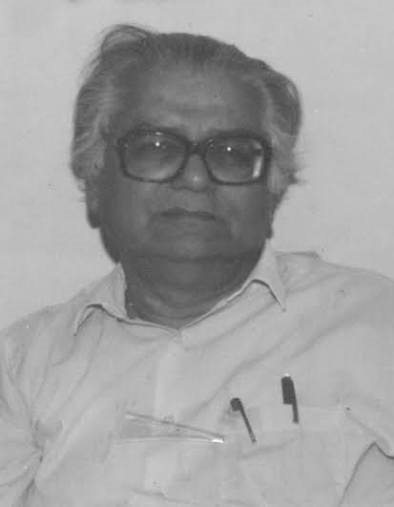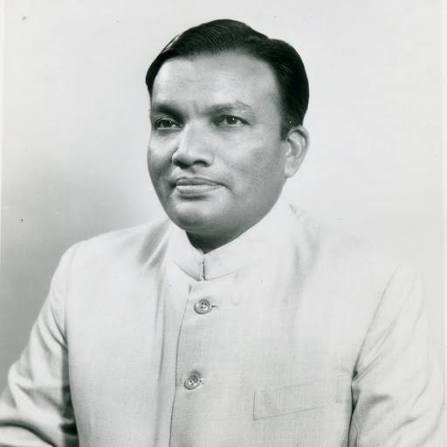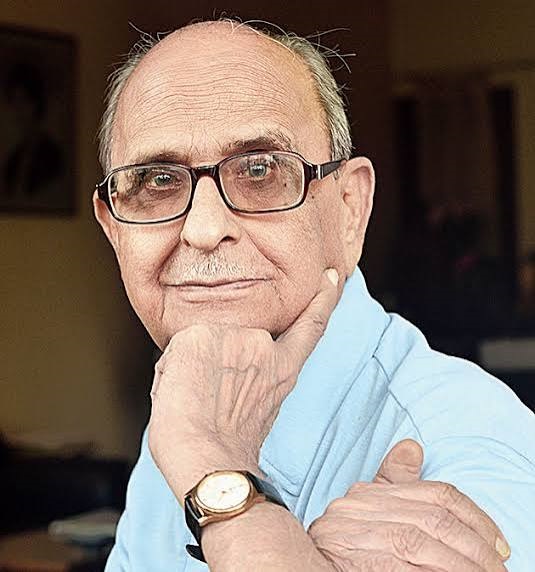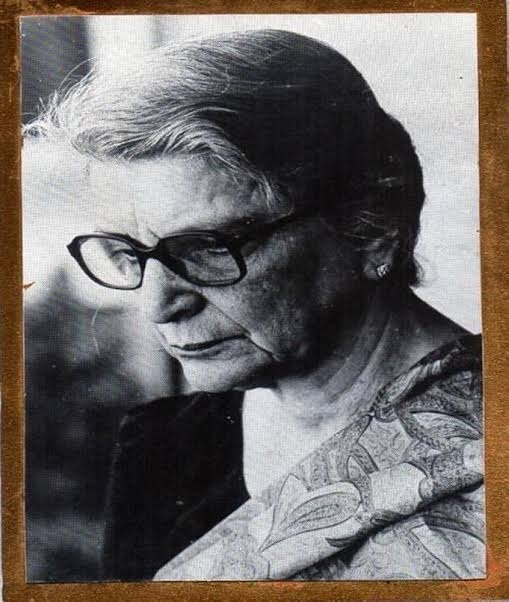
Dr. Jal Minocher Mehta (died October 13, 2001) was a distinguished Parsi Indian medical surgeon, social worker, and philanthropist. He is best remembered for his pioneering efforts in reconstructive surgery and the comprehensive rehabilitation of individuals affected by leprosy. Breaking away from conventional medical practice, he dedicated his life to removing the heavy social stigma associated with leprosy, transforming neglected care facilities into hubs of medical healing, self-reliance, and human dignity.
2. Quick Facts
- Full Name: Dr. Jal Minocher Mehta
- Native Name: जल मिनूचेर मेहता (Hindi)
- Date of birth: Exact birth date unrecorded in public archives (Passed away on October 13, 2001)
- Place Of birth: India
- Nationality: Indian
- Occupation/Profession: Medical Surgeon, Philanthropist, and Social Worker
- Field of Achievement: Medicine (Reconstructive Surgery) and Leprosy Eradication/Rehabilitation
- Years Active: Mid-20th Century – 2001
3. Award Information
- Award Name: Padma Bhushan
- Award Category: Civil Honour (Third-Highest Civilian Award in India)
- Award Year: 1982
- Presented By: Government of India
- Date of Ceremony: January 26, 1982 (Republic Day)
- Citation/Official Reason: For distinguished contributions and services rendered to medical science and social work.
- Previous Recipients (Notable 1982 context): Prominent national and international figures across arts, public affairs, and sciences.
- Next Recipients: Subsequent batches of annual Padma Bhushan awardees in 1983.
4. Why They Received the Award
Dr. Jal Mehta received the Padma Bhushan in recognition of his extraordinary dedication to eradicating the social and physical consequences of leprosy. Through the Pune District Leprosy Committee, he revolutionized treatment by not only performing complex reconstructive surgeries on damaged hands and feet but also by setting up vocational programs, self-help groups, and public awareness campaigns via documentaries to help patients reintegrate into mainstream society.
5. Early Life
Growing up within the close-knit Parsi community of western India, Dr. Mehta imbibed a deep-rooted cultural ethos emphasizing quiet public service and civic responsibility. Post-independence India was grappling with widespread poverty and major health stigmas, particularly surrounding leprosy, where afflicted individuals faced severe isolation. Influenced by progressive social thinkers and medical pioneers of his time, he chose to look beyond clinical confines and direct his energy toward society’s most marginalized groups.
6. Education
Dr. Mehta pursued rigorous medical training, specializing in surgery. He continuously upgraded his expertise by learning from global and national leprologists, aligning advanced surgical procedures with practical social rehabilitation frameworks. His academic foundation allowed him to bridge the gap between high-level medical science and grassroots community care.
7. Career Journey
- Surgical Practice: Began his journey inside clinical operating theatres, later specializing in corrective hand and foot reconstructive procedures for leprosy sufferers.
- Leadership at Kondhwa: Took charge of a neglected leprosy hospital and rehabilitation home in Kondhwa, near Pune, turning it into a model institution.
- Administrative & Advisory Roles: Served as the President of the Pune District Leprosy Committee, chaired the Serum Institute of India (SIIL), and contributed to editorial and medical advisory boards such as Pharmabiz and the Vienna Karl Landsteiner Institute.
8. Major Achievements
- Spearheaded the transformation of the Kondhwa Leprosy Hospital into a premier rehabilitation hub.
- Pioneered advanced reconstructive surgeries that gave functional mobility back to hundreds of patients suffering from deformities.
- Instituted sustainable economic self-help groups and manufacturing workshops allowing cured patients to earn independent livelihoods.
- Produced educational and social awareness films (such as Neuropathic foot in leprosy in collaboration with Vishram Revankar) to fight public ignorance.
9. Contribution to the Nation
Dr. Mehta’s contributions directly supported India’s national healthcare goals by tackling a neglected tropical disease head-on. By converting patients from dependent outcasts into skilled, self-reliant economic contributors, he eased structural pressures on public health welfare and fundamentally changed how marginalized patients were treated nationwide.
10. Other Awards and Honours
- Recognized nationally by the Government of India with the Padma Bhushan (1982).
- Appointed as Chairman of the Serum Institute of India (SIIL), reflecting his high standing in India’s broader medical and pharmaceutical sectors.
- Honored across various medical bodies and international institutes for his cooperative rehabilitation frameworks (such as the Mehta Cooperative Rehabilitation Model).
11. Legacy and Influence
Dr. Mehta’s legacy lives on through the institutions he built and the countless lives he restored. He proved that medical treatment without social integration is incomplete. His life partner, Dr. Mehru Jal Mehta—a distinguished cancer surgeon and the first woman to earn an MS from Pune University—stood firmly alongside him in his mission. Together, they set a powerful benchmark for medical philanthropy in India.
12. Interesting Facts
- Family in Medicine: His wife, Dr. Mehru Jal Mehta, was a trailblazing cancer surgeon.
- Multifaceted Leadership: Aside from his grassroots social work, he held top-tier corporate and scientific advisory roles, including leading the Serum Institute of India.
- Media Pioneer: He utilized visual media and documentaries long before digital advocacy became mainstream to combat deep-seated social fears about leprosy.
13. Quotes
“The honour belongs to the patients who trusted us, to the workers who stayed through the difficult years, and to the memory of those who first showed us that leprosy need not mean exclusion.” — Dr. Jal Minocher Mehta
14. Timeline
- Mid-20th Century: Began medical practice and focused attention on leprosy care.
- 1982: Awarded the Padma Bhushan by the Government of India.
- 1999: Co-authored and collaborated on foundational educational medical films regarding leprosy complications.
- October 13, 2001: Passed away in Pune, Maharashtra, following a cerebral hemorrhage.
15. References
- Wikipedia contributors. Jal Minocher Mehta. Wikipedia, The Free Encyclopedia.
- Ministry of Home Affairs, Government of India. Padma Awards Directory.
- Pharma Biz archives – Padma Bhushan Dr. Jal Mehta passes away (October 2001).
- Zeitschrift Behinderung und Dritte Welt – Mehta Cooperative Rehabilitation Model (January 2000).
16. Related Personalities
- Dr. Mehru Jal Mehta (Wife and renowned cancer surgeon)
- Dr. Robert Cochrane (Renowned leprologist who inspired early pioneers)
- Dr. N. J. Bandorawalla (Pioneering mentor in leprosy relief)
17. Frequently Asked Questions (FAQ)
- Q: What was Dr. Jal Minocher Mehta best known for?A: He was best known for his revolutionary work in reconstructive surgery and social rehabilitation for individuals affected by leprosy, striving to eliminate the societal stigma attached to the disease.
- Q: What major civilian award did he receive?A: He was awarded the Padma Bhushan in 1982 by the Government of India for his contributions to medical science.
- Q: Where did he primarily carry out his social work?A: He operated extensively out of Pune, Maharashtra, managing major leprosy hospitals and rehabilitation hubs such as the facility in Kondhwa.
About the Author