1. Introduction
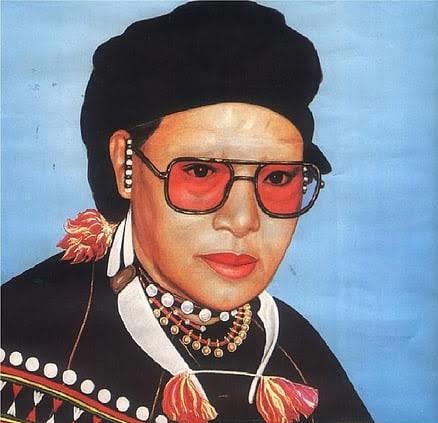
Rani Gaidinliu (1915–1993) was a pioneering Naga spiritual and political leader who waged a fierce resistance against British colonial rule in Northeast India. Becoming a freedom fighter at the tender age of 13, she took over the mantle of the Heraka religious movement and turned it into an anti-colonial movement. Affectionately given the title “Rani” (Queen) by Jawaharlal Nehru, she spent 14 grueling years in British prisons and later dedicated her life to preserving indigenous culture and upholding India’s national integrity.
2. Quick Facts
- Full Name: Gaidinliu Pamei
- Native Name: ਗૈਦਿਨਲਿਉ ਪਮੇਈ
- Date of Birth: January 26, 1915
- Place of Birth: Nungkao (Longkao) village, Tamenglong District, Manipur, British India
- Nationality: Indian
- Occupation/Profession: Freedom Fighter, Spiritual Leader, and Social Reformer
- Field of Achievement: Anti-Colonial Resistance, Tribal Rights, and National Integration
- Years Active: 1927 – 1993
3. Award Information (Focus: Padma Bhushan)
- Award Name: Padma Bhushan
- Award Category: India’s Third-Highest Civilian Award
- Award Year: 1982
- Presented By: The President of India (at Rashtrapati Bhavan, New Delhi)
- Date of Ceremony: Spring 1982
- Citation/Official Reason: For her distinguished service, extraordinary courage, and lifelong contribution to social work, freedom struggle, and national integration.
- Previous Recipients (Contextual): Prominent national leaders, scientists, and social workers.
- Next Recipients: Subsequent annual batches of Padma honorees.
4. Why Did She Receive the Award?
Rani Gaidinliu received the Padma Bhushan in recognition of her monumental sacrifices during India’s independence movement and her post-independence statecraft. At an age when children are in school, she led guerrilla forces against the British, suffered prolonged imprisonment, and later stood firmly against secessionist forces to preserve the unity of the Indian Union.
5. Early Life
Born on January 26, 1915, in Nungkao village of Manipur into a Rongmei Naga family (part of the Zeliangrong tribes), Gaidinliu grew up amidst the rich traditions of her community. She was the fifth of eight children. Even during her youth, she possessed immense grit and spiritual awareness, which drew her towards the socio-religious renaissance sweeping her region.
6. Education
- Formal Education: None. Due to the complete absence of schools and educational infrastructure in her remote hilly region during the early 20th century, she did not receive a formal education.
- Self-Taught Leadership: Despite lacking classroom education, she possessed sharp geopolitical instincts, mastery over multiple local dialects, and profound spiritual wisdom that guided thousands of followers.
7. Career Journey
- Initiation (1927): At age 13, she joined her cousin Haipou Jadonang, becoming his trusted disciple in the Heraka movement to revive traditional Naga identity.
- Guerrilla Leader (1931–1932): Following Jadonang’s execution by the British, she assumed absolute leadership of the movement, organizing non-cooperation, tax boycotts, and armed resistance.
- Imprisonment (1932–1947): Captured after a massive manhunt in October 1932, she spent 14 years behind bars across various jails until India gained independence.
- Post-Independence Statesmanship: Fought against violent secessionist movements and worked democratically for the welfare and administrative autonomy of the Zeliangrong people.
8. Major Achievements
- Leadership at 16: Mobilized underground guerrilla networks across Manipur, Nagaland, and Assam to challenge British military outposts.
- Meeting with Jawaharlal Nehru (1937): Impressed Jawaharlal Nehru during his visit to Shillong Jail. Nehru championed her release and famously dubbed her the “Daughter of the Hills.”
- Defending National Integrity: Stood as a bulwark against the Naga National Council (NNC) insurgents, advocating that the destiny of the Naga people lay firmly within a democratic India.
9. Contribution to the Nation
Rani Gaidinliu integrated the aspirations of Northeast indigenous communities into the pan-Indian struggle for freedom. Her call to stop paying taxes to the colonial government shook British administration in the Assam-Manipur sector. Post-independence, she rejected violent insurgency, choosing instead to lay down arms through a peace accord in 1966 to foster peace, education, and development.
10. Other Awards and Honours
- Tamrapatra Freedom Fighter Award (1972)
- Padma Bhushan (1982)
- Vivekananda Seva Award (1983)
- Birsa Munda Award (Posthumously, 1996)
- The Indian Coast Guard named a fast patrol vessel, ICGS Rani Gaidinliu, in her honor.
11. Legacy and Influence
Rani Gaidinliu remains an immortal symbol of women’s empowerment, raw courage, and fierce patriotism. Her life highlights the multi-ethnic dimensions of the Indian freedom movement. Memorials, museums (such as the Tribal Freedom Fighters Museum), and postal stamps issued by the Government of India continually celebrate her monumental imprint on the nation’s history.
12. Interesting Facts
- The Title ‘Rani’: It was Jawaharlal Nehru who gave her the moniker “Rani” while campaigning for her release from British captivity in the late 1930s.
- Underground Years: To protect her community’s cultural identity and counter forced conversions or insurgent pressure, she spent six years living an underground guerrilla lifestyle even after independence before coming out of hiding in 1966.
13. Quotes
“We are free people, the white men should not rule over us…” — Rani Gaidinliu
14. Timeline
- 1915: Born on January 26 in Nungkao village, Manipur.
- 1927: Joins Haipou Jadonang’s Heraka movement at age 13.
- 1931: Jadonang is hanged; Gaidinliu takes over leadership.
- 1932: Captured by the British Assam Rifles in October and sentenced to life imprisonment.
- 1937: Met by Jawaharlal Nehru in Shillong Jail.
- 1947: Released from prison following India’s independence.
- 1966: Emerges from underground life following an agreement with the Government of India.
- 1982: Awarded the Padma Bhushan.
- 1993: Passes away on February 17 at her native village, Longkao, at age 78.
15. References
- Wikipedia contributors. Rani Gaidinliu. Wikipedia, The Free Encyclopedia.
- Ministry of Information and Broadcasting, Government of India — Archives on Northeast Freedom Fighters.
- Bijoy Kumar Bora. Rani Gaidinliu: A Biography. Spectrum Publications.
16. Related Personalities
- Haipou Jadonang (Cousin, mentor, and predecessor in the Heraka movement)
- Jawaharlal Nehru (First Prime Minister of India who advocated for her release and gave her the title ‘Rani’)
- Birsa Munda (Iconic tribal freedom fighter with whom her legacy is frequently equated)
17. Frequently Asked Questions (FAQ)
Q1: Why is Rani Gaidinliu called a freedom fighter?
A: She led an intense political and armed resistance against British rule in Manipur and the surrounding Naga hills from a very young age, resulting in a 14-year prison sentence.
Q2: Who gave Rani Gaidinliu her title?
A: Jawaharlal Nehru gave her the title “Rani” (Queen) in recognition of her royal courage and leadership among her people.
Q3: What was the Heraka movement?
A: Originally started by Haipou Jadonang, the Heraka movement aimed to revive traditional animist/tribal Naga religious practices and evolved into a political resistance against British colonialism.
About the Author