1. Introduction
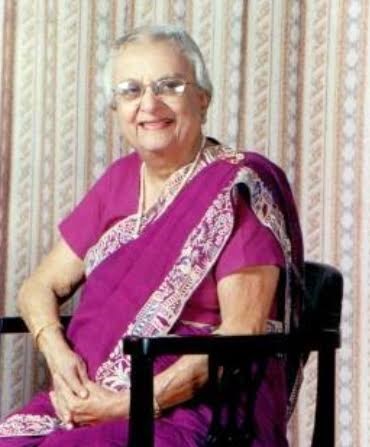
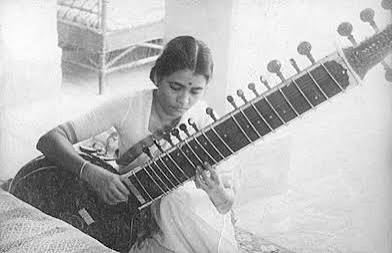
Roshanara Khan, popularly known as Annapurna Devi (1927–2018), was a legendary Indian classical musician and arguably the 20th century’s preeminent maestro of the surbahar (bass sitar). Daughter and disciple of the illustrious Acharya Ustad Allauddin Khan and sister of Ustad Ali Akbar Khan, she possessed an unmatched command over the Maihar-Senia gharana. Despite choosing a life of strict seclusion and rarely performing in public after her early years, she shaped the trajectory of Indian classical music as an intensely revered guru, mentoring iconic musicians who defined the global sound of Indian instrumental music.
2. Quick Facts
- Full Name: Annapurna Devi (born Roshanara Khan)
- Native Name: অন্নপূর্ণা দেবী
- Date of Birth: April 17, 1927
- Place of Birth: Maihar, Central India Agency, British India (now Madhya Pradesh, India)
- Nationality: Indian
- Occupation/Profession: Surbahar Player, Classical Musician, and Music Teacher
- Field of Achievement: Hindustani Classical Music (Instrumental)
- Years Active: 1940s – 2018 (performing actively in her early decades, followed by a lifetime of teaching)
3. Award Information (Focus: Padma Bhushan)
- Award Name: Padma Bhushan
- Award Category: Civil Honour (Third-highest civilian award in India)
- Award Year: 1977
- Presented By: Government of India
- Date of Ceremony: 1977 (Annual Investiture Ceremony, Rashtrapati Bhavan; noted for being accepted in absentia or quietly due to her reclusive nature)
- Citation/Official Reason: For distinguished service and pioneering contributions to Hindustani classical music and instrumental mastery.
- Previous Recipients: Notable stalwarts in arts, literature, and public service from preceding years.
- Next Recipients: Notable figures in the arts and public service from subsequent years.
4. Why They Received the Award
Annapurna Devi was honored with the Padma Bhushan for her peerless mastery of the surbahar, her profound preservation of ancient, complex ragas in their purest forms, and her monumental role as a master teacher who refused commercialization, upholding the absolute purity of the Maihar tradition.
5. Early Life
Born as Roshanara Khan in the princely state of Maihar, she was the youngest child of the legendary Ustad Allauddin Khan. Her very name, “Annapurna,” was given to her by Maharaja Brijnath Singh of Maihar because her father was away on the day of her birth. Initially, her family discouraged her from heavy music training due to domestic tragedies involving her older sister. However, when she was a young child, her father accidentally overheard her correcting her brother, Ustad Ali Akbar Khan, on a complex musical phrase he had just been taught. Recognizing her absolute pitch and intuitive genius, her father immediately initiated her into rigorous musical training (taleem).
6. Education
- Early Training: Rigorous, traditional gurukul-style training under her father, Ustad Allauddin Khan, starting with vocal dhrupad style before transitioning to instrumental music.
- Instrumental Specialization: Trained initially on the sitar before her father handed her the formidable surbahar, believing her temperament and lack of ego made her the ideal custodian of his guru’s deepest beenkari style legacy.
7. Career Journey
- Early Performances: Performed breathtaking duet concerts alongside her first husband, Pandit Ravi Shankar, during the 1940s and 1950s in cities like Delhi, Mumbai, and Kolkata, mesmerizing audiences with unmatched depth.
- Transition to Reclusion: Following personal separation and her inherent aversion to commercial fame, she withdrew completely from the public concert stage.
- Life as Guru Maa: Relocating to Mumbai, she spent decades teaching select disciples from her apartment. True to her father’s strict instructions, she never charged any fee for her instructions, cementing her reputation as an ascetic, legendary mentor.
8. Major Achievements
- Surbahar Mastery: Celebrated as the only known female maestro of the surbahar in the 20th century.
- Legendary Pedagogue: Mentored some of the most iconic instrumentalists of Indian classical music, including Nikhil Banerjee, Hariprasad Chaurasia, Nityanand Haldipur, and Ashish Khan.
- Preservation of Tradition: Safeguarded the ancient, rare structures of complex ragas without bending to popular performance trends.
9. Contribution to the Nation
Annapurna Devi preserved a priceless facet of India’s cultural heritage—the profound, introspective style of the Senia-Maihar gharana. By teaching elite musicians who went on to propagate Indian classical music worldwide, she indirectly enriched global music culture. Her uncompromising dedication ensured that traditional dhrupad ang and microtonal nuances (kan swaras) were passed down accurately to future generations.
10. Other Awards and Honours
- Padma Shri (1971) – Conferred by the Government of India
- Sangeet Natak Akademi Award (1991) – India’s highest honor for performing artists
- Desikottama (1999) – Honorary doctorate from Visva-Bharati University, presented by the Nobel laureate’s institution
- Sangeet Natak Akademi Fellowship (Ratna Sadasya) – The highest fellowship awarded by the Academy
11. Legacy and Influence
Annapurna Devi is remembered as a mythical figure in Hindustani music—an artist who achieved supreme greatness precisely because she walked away from the spotlight. Her title “Annapurna Devi” became synonymous with absolute musical devotion. Her disciples carried her rigorous technique, precision, and spiritual approach to music across the globe, ensuring her teachings outlived her physical presence.
12. Interesting Facts
- Self-Imposed Exile from the Stage: Unlike her contemporary peers, she stopped performing publicly entirely after the 1950s, choosing a deeply private, reclusive life in Mumbai for over half a century.
- Zero Commercial Fees: Adhering strictly to her father’s vow, she never accepted a single rupee or fee from any student she taught, viewing musical instruction as a sacred trust.
- Stealth Recordings: Because she refused to record commercially, the few private, stealth recordings of her playing ragas like Yaman Kalyan are treated as holy grails by classical music connoisseurs.
13. Quotes
“Music is not meant for public entertainment or earning applause; it is a spiritual journey to connect with the divine.”
14. Timeline
- 1927: Born on April 17 in Maihar, Madhya Pradesh
- 1941: Converted to Hinduism and married Pandit Ravi Shankar
- 1942: Birth of her only son, Shubhendra Shankar
- 1946–1957: Performed celebrated classical duets with Ravi Shankar across India
- 1971: Awarded the Padma Shri
- 1977: Conferred the Padma Bhushan
- 1982: Married professor and author Rooshikumar Pandya
- 1991: Received the Sangeet Natak Akademi Award
- 1999: Honored with the Desikottama degree by Visva-Bharati University
- 2018: Passed away on October 13 in Mumbai at the age of 91
15. References
- Wikipedia contributors. Annapurna Devi. Wikipedia, The Free Encyclopedia.
- Annapurna Devi Foundation Official Archives – Biography and Teachings of Guru Maa.
- Sangeet Natak Akademi – Awardee Profiles and Citations.
- Selected biographical chronicles on the Maihar-Senia gharana and Indian classical music pioneers.
16. Related Personalities
- Ustad Allauddin Khan – Legendary musician, founder of the Maihar gharana, and her father/guru.
- Ustad Ali Akbar Khan – Celebrated sarod maestro and her brother.
- Pandit Ravi Shankar – World-renowned sitar maestro and her first husband.
- Hariprasad Chaurasia – Legendary flutist and one of her most prominent disciples.
17. Frequently Asked Questions (FAQ)
Q: Who was Annapurna Devi?
A: Annapurna Devi was a legendary Indian classical musician, the 20th century’s foremost surbahar player, and a legendary teacher who trained elite classical musicians.
Q: Why did Annapurna Devi stop performing in public?
A: She chose a life of total reclusion due to personal reasons and a deeply spiritual view of music that rejected commercial performance, fame, and public adulation.
Q: What instruments did Annapurna Devi play?
A: She initially trained in vocal music and sitar before mastering the surbahar (bass sitar), becoming its most celebrated female exponent.
Q: Did she charge her students for music lessons?
A: No. In accordance with her father’s strict instructions, she never accepted any money or fees for teaching her disciples.
About the Author