

1. Introduction
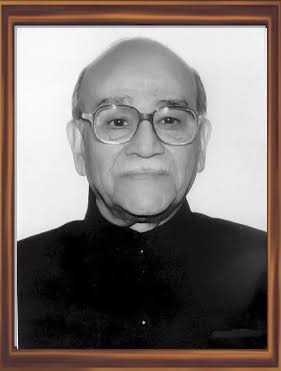
Devanahalli Venkataramanaiah Gundappa, universally known by his pen name DVG, was a monumental figure in modern Kannada literature, a profound philosopher, a fearless journalist, and an institutional builder. Often referred to as the “Gokhale of Karnataka,” DVG bridged ancient Indian wisdom with contemporary social realities. His timeless literary masterpiece, Mankutimmana Kagga, remains a vital guide to ethical living, earning him a revered status akin to classic global wisdom literature.
2. Quick facts
- Full Name: Devanahalli Venkataramanaiah Gundappa
- Native Name: ದೇವನಹಳ್ಳಿ ವೆಂಕಟರಮಣಯ್ಯ ಗುಂಡಪ್ಪ
- Date of birth: 17 March 1887
- Place Of birth: Mulbagal, Kolar District, Karnataka, India
- Nationality: Indian
- Occupation/ Profession: Writer, Poet, Philosopher, Journalist, and Public Intellectual
- Field of Achievement: Kannada Literature, Public Affairs, and Journalism
- Years Active: 1906–1975
3. Award Information
- Award Name: Padma Bhushan
- Award Category: Civilian Award (Literature and Education)
- Award Year: 1974
- Presented By: Government of India
- Date of Ceremony: 1974 (Official annual investiture ceremony at Rashtrapati Bhavan)
- Citation/Official Reason: In recognition of his distinguished service and lifelong contributions to literature, education, and public affairs.
- Previous Recipient: Notable civilian figures of 1973/1974 across fields
- Next Recipient: Subsequent honorees of the 1975 civilian honors cycle
4. Why they Receive the award?
DVG received the Padma Bhushan for his lifetime devotion to enriching Kannada literature, his relentless advocacy for principled public life, and his intellectual contributions that shaped modern socio-political discourse in India. His body of work—ranging from deep philosophical poetry to biographical sketches of national leaders—elevated the cultural standing of Karnataka on a national platform.
5. Early Life
Born into an orthodox, modest family in Mulbagal, DVG grew up immersed in traditional cultural and spiritual values. Though his family faced financial constraints, young DVG was an exceptionally voracious reader. He spent his formative years absorbing classical literature, music, and political discussions, cultivating a worldview centered on humility, independent thinking, and civic duty.
6. Education
- Completed primary and high school education locally in Kolar and Mysore (Maharaja’s High School).
- Formal education concluded after high school when he did not clear parts of his matriculation examination—turning his self-directed studies into a lifelong university of its own.
- Mastered Sanskrit, English, Kannada, and Telugu entirely through self-study, deep reading, and active interactions with scholars.
7. Carrier Journey
- Journalism & Publishing: Began writing columns and articles for various periodicals around 1906–1907. He launched publications like Bharata, Karnataka (a bi-weekly English and Kannada magazine), and Sumathi to voice public grievances.
- Public Service & Legislative Roles: Served as a member of the Bangalore Municipal Council (1912) and the Mysore Legislative Council (1926–1940), where he was known for sharp, constructive policy debates.
- Institution Building: Founded the Gokhale Institute of Public Affairs (GIPA) in Bengaluru in 1945, transforming it into an independent, non-partisan hub for public discussions, cultural programs, and research.
8. Major Achievements
- Authored Mankutimmana Kagga (1943), a monumental collection of over 900 four-line philosophical poems often celebrated as the Bhagavad Gita of the common man in Kannada.
- Received the prestigious Sahitya Akademi Award in 1967 for his philosophical commentary Srimad Bhagavadgeeta Tatparya (Jeevana Dharma Yoga).
- Pioneered biographical writing in Kannada with classic pen-portraits of historical figures like Diwan Rangacharlu and Gopalakrishna Gokhale.
9. Contribution to the nation
DVG spiritualized public life by championing transparency, ethical governance, and accountability during both the princely state era and post-independence India. Through GIPA and his numerous writings, he educated citizens on civic responsibilities, democratic values, and the importance of preserving indigenous arts, literature, and intellectual freedom.
10. Other Awards and Honours
- Sahitya Akademi Award (1967): For Jeevana Dharma Yoga (his commentary on the Bhagavad Gita).
- Karnataka State Honor (1970): Honored by the Mysore State government with a public felicitation and a purse of Rs 90,000 at Ravindra Kalakshetra, Bengaluru (which DVG entirely donated back to GIPA).
- Honorary Doctorate (D.Litt.): Conferred by the University of Mysore in 1961.
- Commemorative Stamp (1988): Issued by India Post to honor his enduring legacy.
11. Legacy and influence
DVG’s legacy is anchored in his absolute integrity, intellectual independence, and ascetic simplicity. He rejected political patronage and monetary favors, living a life of utter frugality. Mankutimmana Kagga remains deeply embedded in everyday Kannada culture, frequently quoted for its pragmatic, soul-stirring answers to the complexities of modern human existence.
12. Interesting Facts
- The Ultimate Gift: When the people and government of Karnataka presented him with a purse of 90,000 rupees in 1970, DVG did not keep a single paisa for himself; he immediately signed it over to fund the Gokhale Institute of Public Affairs.
- Literary Textbook Status: Despite not formally completing his matriculation, several of DVG’s essays and prose works were later prescribed as standard textbooks for university undergraduate and postgraduate courses.
- The “Wildflower” Ideal: True to his poetry, which compared an ideal human life to a wildflower (Vanasuma) that blooms anonymously and fades quietly, DVG avoided personal aggrandizement and lived completely unpretentiously.
13. Quotes
“Let life be a continuous offering of service, and let your mind remain steady like a lamp sheltered from the wind, untouched by the storms of praise or blame.” — D. V. Gundappa
14. Timeline
- 1887: Born on March 17 in Mulbagal, Kolar district.
- 1906–1907: Embarked on his journey in journalism and public writing.
- 1915: Played a foundational role in establishing the Kannada Sahitya Parishat.
- 1943: Published his masterwork, Mankutimmana Kagga.
- 1945: Founded the Gokhale Institute of Public Affairs (GIPA) in Bengaluru.
- 1967: Awarded the Sahitya Akademi Award for Jeevana Dharma Yoga.
- 1974: Conferred the Padma Bhushan by the Government of India.
- 1975: Passed away on October 7 at the age of 88.
15. References
- Wikipedia contributors. “D. V. Gundappa.” Wikipedia, The Free Encyclopedia.
- Kamat, Jyotsna. “Dr. D.V. Gundappa (1887 – 1975).” Kamat’s Potpourri.
- Official Archives of the Gokhale Institute of Public Affairs (GIPA), Basavanagudi, Bengaluru.
16. Related Personalities
- Gopalakrishna Gokhale
- Sir M. Visvesvaraya
- Masti Venkatesa Iyengar
- Rabindranath Tagore
- B. G. L. Swamy (DVG’s son and prominent botanist/scholar)
17. Frequently Asked Questions (FAQ)
Q: Who was D. V. Gundappa?
A: D. V. Gundappa (DVG) was a legendary Kannada writer, philosopher, and journalist renowned for his deep cultural insights and ethical framework for public and private life.
Q: What is Mankutimmana Kagga?
A: It is a celebrated collection of philosophical and moral verses written by DVG in 1943, exploring the meaning of life, human nature, and cosmic order in simple yet profound four-line stanzas.
Q: What is the Gokhale Institute of Public Affairs (GIPA)?
A: Founded by DVG in 1945 in Bengaluru, GIPA is an independent, non-partisan public institution dedicated to promoting civic education, cultural values, and thoughtful discourse on public affairs.
Q: Did DVG receive any major national awards?
A: Yes, he was honored with the Padma Bhushan by the Government of India in 1974 and the Sahitya Akademi Award in 1967.
About the Author