
1. Introduction
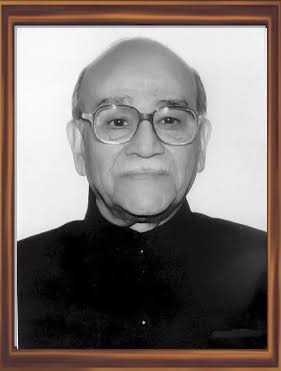
Dhirendra Nath Ganguly, famously known as Dhiren Ganguly or D.G., was a pioneering force in Indian cinema, particularly celebrated as one of the founding fathers of the Bengali film industry. Operating as a versatile filmmaker, actor, director, and entrepreneur, Ganguly used sharp wit and biting satire—most notably through the comedy genre—to challenge social norms and colonial pretension. His footprint shaped the silent era and seamlessly transitioned into the talkies, earning him the nation’s highest cinematic honors.
2. Quick facts
- Full Name: Dhirendra Nath Ganguly
- Native Name: ধীরেন্দ্রনাথ গাঙ্গুলী
- Date of birth: 26 March 1893
- Place Of birth: Kolkata (Calcutta), West Bengal, India (some records trace his ancestral roots to Barisal, now in Bangladesh)
- Nationality: Indian
- Occupation/ Profession: Film Actor, Director, Producer, Entrepreneur, and Artist
- Field of Achievement: Indian Cinema (Bengali and Hindi film industries)
- Years Active: 1919–1978
3. Award Information
- Award Name: Dadasaheb Phalke Award
- Award Category: India’s highest award in cinema for lifetime contribution to Indian growth and development of films
- Award Year: 1975 (25th National Film Awards)
- Presented By: Government of India
- Date of Ceremony: 1975 (Exact day-month varies by official yearly National Film Awards scheduling)
- Citation/Official Reason: In recognition of his outstanding lifelong contributions to Indian cinema as an actor, director, and pioneering entrepreneur who shaped early regional filmmaking.
- Previous Recipient: Bommireddy Narasimha Reddy (1974)
- Next Recipient: Kanan Devi (1976)
4. Why they Receive the award?
Ganguly received the Dadasaheb Phalke Award for his tireless, foundational efforts in establishing independent Bengali cinema. He broke monopolies by co-founding the first Bengali-owned film production company (Indo British Film Co.), launched prominent studios like British Dominion Films, discovered emerging talent, and introduced a refreshing wave of social satire and comedy to the Indian silver screen at a time when the medium was still in its infancy.
5. Early Life
Born into a respected, orthodox Bengali family, Ganguly showed a natural affinity for fine arts and drama early on. His artistic inclinations brought him into the inner cultural circles of Rabindranath Tagore. Despite facing stiff resistance from his traditional family regarding his artistic aspirations, Ganguly persisted by selling his paintings to local magazines to sustain himself. Before stepping into full-time filmmaking, his exceptional grasp of visual arts and makeup led him to work as a makeup artist and disguise expert, even training local police and CID officers.
6. Education
- Studied at Visva-Bharati University in Santiniketan under the mentorship and influence of Rabindranath Tagore, where he participated in early theatrical productions like Valmiki Pratibha and Dak Ghar.
- Briefly attended Scottish Church College in Calcutta.
- Graduated with distinction from the Government School of Art (Jubilee Arts Academy) in Calcutta in 1912.
7. Career Journey
Ganguly’s professional trajectory was multi-layered, evolving from fine art and photography into cinematic entrepreneurship:
- The Photography Leap: In 1915, he published Bhavki Abhibyakti, a pioneering book detailing unique makeup and photographic expressions. This book caught the eye of film mogul J.F. Madan.
- Indo-British Film Co. (1918): Alongside Nitish Lahiri, Ganguly formed the first Bengali-owned production house. They released Bilat Ferat (The England Returned, 1921), a massive silent comedy hit satirizing Indians blindly copying Western habits.
- Lotus Film Company & Hyderabad Exile (Early 1920s): Ganguly moved to Hyderabad, founding Lotus Film Company under the Nizam’s patronage. However, his distribution of the progressive film Razia Begum (featuring an interfaith romance) enraged the Nizam, leading to his quick expulsion from the state.
- British Dominion Films (Late 1920s): Returning to Calcutta, he established a major studio in Dum Dum, nurturing early talents like Debaki Bose and Pramathesh Barua.
- The Talkies Era & New Theatres: As sound technology disrupted silent studios, Ganguly transitioned smoothly into the talkie era, directing and acting in various successful comedies for New Theatres and other banners well into the 1940s.
8. Major Achievements
- Directed and starred in Bilat Ferat (1921), widely recognized as a milestone landmark for early Bengali and Indian cinematic comedy.
- Founded multiple indigenous production companies (Indo British Film Co., Lotus Film Company, and British Dominion Films) that fostered early local talent.
- Authored foundational literature on visual makeup (Bhavki Abhibyakti) used by law enforcement agencies.
9. Contribution to the nation
Ganguly broke colonial barriers in the media space by proving that Indians—and Bengalis specifically—could successfully finance, produce, and direct their own motion pictures without relying entirely on British or foreign-run institutions. By introducing social satire, he used cinema as an early medium for introspection, cultural identity, and entertainment during turbulent political decades leading up to Indian independence.
10. Other Awards and Honours
- Padma Bhushan (1974): Awarded by the Government of India for his distinguished service to art and cinema.
11. Legacy and influence
Dhiren Ganguly is remembered as the structural grandfather of commercial and comic filmmaking in Bengal. Long before mainstream studios dominated the landscape, “D.G.” took massive financial risks to build studio floors, establish labs, and mentor future cinematic icons. His creative use of satire paved the way for generations of comedic and character-driven storytelling in regional Indian cinema.
12. Interesting Facts
- He was famously known in the industry by his initials, “D.G.”
- His makeup skills were so advanced that colonial and independent Indian police forces sought his technical expertise to train CID officers in the art of disguise.
- His expulsion from Hyderabad by the Nizam happened overnight because a film he distributed depicted a historical Muslim princess falling in love with a non-royal/Hindu man—a striking illustration of art clashing with feudal censorship.
13. Quotes
“Cinema is not merely a reflection of society; it is an active canvas where we can laugh at our own absurdities and evolve.” — Attributed to Dhirendra Nath Ganguly’s philosophy on using comedy for social commentary.
14. Timeline
- 1893: Born on March 26 in Calcutta.
- 1912: Graduated from the Government School of Art with distinction.
- 1915: Published his book on makeup and photography, Bhavki Abhibyakti.
- 1921: Released Bilat Ferat, setting a benchmark for Indian cinematic comedy.
- 1924: Exiled from Hyderabad following the controversy surrounding the film Razia Begum.
- 1929: Established the British Dominion Films studio in Dum Dum.
- 1974: Honored with the Padma Bhushan.
- 1975: Awarded the prestigious Dadasaheb Phalke Award.
- 1978: Passed away on November 18 in Calcutta at the age of 85.
15. References
- Wikipedia contributors. “Dhirendra Nath Ganguly.” Wikipedia, The Free Encyclopedia.
- Cinemaazi Archive. “Dhiren Ganguly – Director | Biography, Films, Legacy.”
- National Film Awards Directorate, Government of India — Recipients of the Dadasaheb Phalke Award.
16. Related Personalities
- Rabindranath Tagore
- Pramathesh Barua (P.C. Barua)
- Debaki Bose
- B.N. Sircar
- Dadasaheb Phalke
17. Frequency Asked Questions (FAQ)
Q: Who was Dhirendra Nath Ganguly?
A: He was a legendary Indian film director, actor, producer, and pioneer of Bengali cinema who is best remembered for his silent comedies and indigenous studio setups.
Q: What was Dhirendra Nath Ganguly’s first film?
A: His breakthrough first film as a writer, producer, and lead actor was Bilat Ferat (The England Returned) released in 1921.
Q: When did he receive the Dadasaheb Phalke Award?
A: He received the Dadasaheb Phalke Award in the year 1975.
Q: Why was he expelled from Hyderabad?
A: In 1924, he distributed Razia Begum, a film depicting an interfaith royal romance, which angered the Nizam of Hyderabad and resulted in his immediate banishment from the state.
About the Author