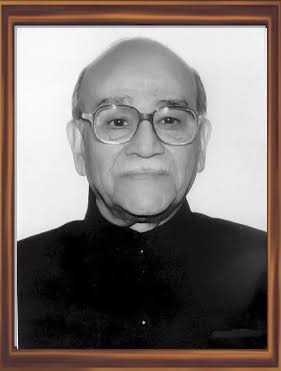
Kunhiraman Sukumaran (1903–1981), popularly known as “Patradhipar” K. Sukumaran, was a legendary Indian journalist, newspaper editor, and social reformer from Kerala. As the long-standing editor of Kerala Kaumudi—one of Malayalam’s most influential and widely circulated dailies—he used his trenchant pen to fight social injustice, challenge political corruption, and champion the ideals of the Sree Narayana Guru movement.
2. Quick Facts
- Full Name: Kunhiraman Sukumaran
- Native Name: കുഞ്ഞിരാമൻ സുകുമാരൻ (Malayalam)
- Date of Birth: January 8, 1903
- Place of Birth: Mayyanad, Kollam District, Travancore, British India
- Nationality: Indian
- Occupation / Profession: Journalist, Newspaper Editor, Publisher, Social Reformer
- Field of Achievement: Journalism, Public Administration, and Social Renaissance
- Years Active: c. 1925 – 1981
3. Award Information
- Award Name: Padma Bhushan
- Award Category: Journalism and Public Affairs (India’s Third-Highest Civilian Honor)
- Award Year: 1973
- Presented By: Government of India (President V. V. Giri)
- Date of Ceremony: Spring 1973 (Rashtrapati Bhavan, New Delhi)
- Citation / Official Reason: Recognized for his distinguished contributions to journalism, literature, and public service.
- Previous Recipients (Selected): Eminent public figures, writers, and journalists from preceding annual civilian honors lists.
- Next Recipients: Followed by subsequent annual panels of national civilian laureates.
4. Why He Received the Award
K. Sukumaran was conferred the Padma Bhushan for his fearless journalism and his pioneering role in using the media as a moral compass for society. Under his stewardship, Kerala Kaumudi evolved into a powerful vehicle for social reform, equity, and democratic accountability, unyielding to political pressures.
5. Early Life
Born into a prominent family deeply involved in social reform, Sukumaran was the son of C.V. Kunhiraman—a renowned social thinker, writer, and founder of Kerala Kaumudi as a periodical in 1911—and Kunjikavu. Growing up surrounded by leading intellectuals of the Kerala Renaissance, he imbibed progressive values early in life, developing a fierce commitment to rationalism, equality, and freedom of expression.
6. Education
- Schooling & Early Studies: Completed his foundational education in Mayyanad and Kollam, absorbing a strong grounding in languages, history, and socio-political literature.
- Literary & Cultural Grooming: Educated informally through the vibrant socio-religious reform movements sweeping through Travancore, shaping his worldview on caste eradication and secular democracy.
7. Career Journey
- Taking Over Kerala Kaumudi: Following his father’s footsteps, Sukumaran took active control of Kerala Kaumudi, transforming it from a small periodical into a major mainstream daily newspaper.
- Editor and Institutional Head: Served as the chief architect and editor of the daily for decades, turning it into a fearless watchdog of public morality.
- SNDP Yogam Leadership: Actively steered community and social welfare organizations, serving as the President of the Sree Narayana Dharma Paripalana (SNDP) Yogam during 1953–1954.
8. Major Achievements
- Media Expansion: Built Kerala Kaumudi into one of the most respected pillars of Malayalam journalism, known for its sharp editorials and uncompromising news values.
- Social Purification: Used print media to successfully root out social evils, caste discrimination, and political malpractice in pre- and post-independent Kerala.
- Literary Patronage: Encouraged a new generation of writers, poets, and investigative journalists through his publications.
9. Contribution to the Nation
Sukumaran’s greatest contribution lay in democratizing the Kerala press and giving voice to the downtrodden. Through the columns of Kerala Kaumudi, he supported the weaker sections of society, promoted secularism, and kept regional and national political leadership accountable. His editorials set high journalistic benchmarks that resisted turning news into a commercial commodity.
10. Other Awards and Honours
- Padma Bhushan (1973): Awarded by the President of India for his stellar service to journalism.
- Golden Jubilee Honors: Commemorative events and milestones celebrated posthumously by public figures and the state government recognizing his enduring impact on Kerala’s media landscape.
11. Legacy and Influence
Revered universally as Patradhipar (The Editor), Sukumaran left an indelible imprint on Indian journalism. His legacy is preserved through the continued operations of the Kerala Kaumudi group—run by his descendants—and through public memorials that celebrate his uncompromising dedication to truth, justice, and journalistic ethics.
12. Interesting Facts
- The Title ‘Patradhipar’: In Malayalam journalistic circles, calling someone Patradhipar without needing to prefix a name instantly evoked K. Sukumaran, testifying to his towering persona as the quintessential editor.
- Family Legacy: His family tree is deeply tied to Kerala’s history; his sister Vasanthi was married to C. Kesavan (former Chief Minister of Travancore-Cochin), and his sons went on to successfully manage the media empire.
- Fearless Criticism: He was widely known for welcoming sharp debates and taking critical political stances without fearing backlash or losing his editorial objectivity.
13. Quotes
“Journalism is not a sales commodity; it is a sacred public trust meant to anchor the conscience of society.”
“A newspaper must speak for those who have no voice, and stand as an unyielding wall against injustice, regardless of who is in power.”
14. Timeline
- 1903: Born on January 8 in Mayyanad, Kollam District.
- 1911: His father C.V. Kunhiraman establishes Kerala Kaumudi.
- 1953–1954: Serves as the President of the SNDP Yogam.
- 1973: Conferred the Padma Bhushan by the Government of India.
- 1981: Passes away on September 18 at the age of 78.
15. References
- Wikipedia Contributors – K. Sukumaran (journalist) historical profile.
- Kerala Kaumudi Archives and Special Editorial Publications.
- Ministry of Home Affairs, Government of India – Padma Awards Directory.
16. Related Personalities
- C.V. Kunhiraman: Father, veteran social reformer, and founder of Kerala Kaumudi.
- C. Kesavan: Former Chief Minister of Travancore-Cochin and brother-in-law.
- Sree Narayana Guru: Spiritual leader whose socio-religious renaissance ideals deeply shaped Sukumaran’s life work.
17. Frequently Asked Questions (FAQ)
Q1: Who was K. Sukumaran?
A: He was a legendary Indian journalist and editor of Kerala Kaumudi, celebrated for his fierce independence and social reform campaigns.
Q2: Why is he frequently called ‘Patradhipar’?
A: The title Patradhipar (The Editor) became synonymous with him because of his definitive, commanding presence and towering influence over Malayalam journalism.
Q3: What civilian honors did he receive?
A: He was honored with the Padma Bhushan by the Government of India in 1973 for his contributions to journalism and public service.
Q4: What was his connection to the Kerala Renaissance?
A: Coming from a family of prominent reformers, he used Kerala Kaumudi as a frontline media tool to advocate for the ideals of equality, social justice, and the Sree Narayana Guru movement.
About the Author