
1. Introduction
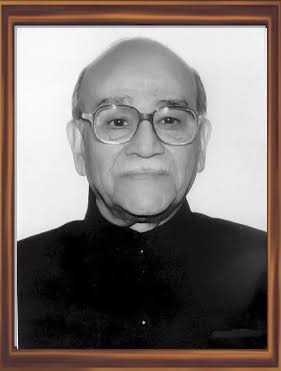
Lala Hansraj Gupta was a towering figure in North Indian public life, renowned as an educationist, social worker, philanthropist, and politician. As the seventh Mayor of Delhi and a foundational leader of the Rashtriya Swayamsevak Sangh (RSS), he dedicated his life to community building, institutional growth, and social reform. His enduring legacy lives on through the expansive network of educational institutions he helped establish, shaping generations of citizens across India.
2. Quick Facts
- Full Name: Lala Hansraj Gupta
- Native Name: लाला हंसराज गुप्ता
- Date of Birth: October 9, 1902
- Place of Birth: Rawalpindi, Punjab, British India (now in Pakistan)
- Nationality: Indian
- Occupation / Profession: Politician, Educationist, Philanthropist, Social Worker
- Field of Achievement: Public Affairs, Education, and Social Service
- Years Active: c. 1920s – 1985
3. Award Information
- Award Name: Padma Bhushan
- Award Category: Civilian Award (Third Highest Civilian Award in India)
- Award Year: 1970
- Presented By: Government of India
- Date of Ceremony: 1970 (In accordance with annual Rashtrapati Bhavan investiture records)
- Citation / Official Reason: For distinguished service of a high order in public affairs, civic administration, and education.
- Previous Recipients (Optional): Prominent public servants and nation-builders recognized in preceding years.
- Next Recipients: Succeeding batches of civic leaders and scholars honored in subsequent years.
4. Why He Received the Award
Lala Hansraj Gupta received the Padma Bhushan in recognition of his lifetime of exemplary commitment to public affairs and social welfare. He was honored for his monumental role as an administrator—particularly as Mayor of Delhi—and for spearheading grassroots educational movements that brought quality learning and nationalist values to thousands of students.
5. Early Life
Born on October 9, 1902, in Rawalpindi into a well-to-do family, Gupta grew up absorbing strong traditional values and a sense of civic duty. His father, Shri Jati Ram Gupta, served as a Tehsildar, while his maternal family had deep roots in commerce and real estate. Imbued early on with the principles of the Arya Samaj, he developed an aversion to social inequities and oriented his life toward altruism, education, and community upliftment rather than accumulating private wealth.
6. Education
- Schooling & College: Completed his early education and pursued higher studies in northern India, acquiring a robust academic grounding that later enabled him to design and nurture major educational systems. His schooling deeply reflected the moral and social reformist ideals promoted by the Arya Samaj movement of the early 20th century.
7. Career Journey
Gupta’s career spanned multiple sectors, merging organization-building with public governance:
- RSS Leadership: Served as the Prant Sanghchalak (provincial head) of the RSS for Delhi and Punjab, acting as a core pillar for its organizational expansion in northern India.
- Civic Leadership: Entered local governance and was elected as the seventh Mayor of Delhi, where he streamlined urban development and civic administration during a crucial phase of the capital’s growth.
- Institutional Founder: Co-founded the Child Education Society in 1944, laying the bedrock for a major network of schools across India.
8. Major Achievements
- Founding Bal Bharati Public Schools: Co-founded the Child Education Society, which established the prominent chain of Bal Bharati Public Schools, recognized nationwide for academic excellence and value-based education.
- Mayoral Tenure in Delhi: Successfully administered the capital as Mayor, improving municipal infrastructure and civic amenities.
- Sheltering Freedom Fighters (1942): During the Quit India Movement, he bravely used his Delhi residence as a safe haven for underground nationalist leaders like Aruna Asaf Ali and Jayaprakash Narayan.
9. Contribution to the Nation
Lala Hansraj Gupta contributed to nation-building by institutionalizing nationalist education and grassroots social welfare. Through the schools he founded, he ensured that modern education was paired with cultural roots, character building, and patriotism. Furthermore, his quiet courage during political upheavals—such as providing refuge to freedom fighters and navigating underground networks during the 1975–1977 Emergency—demonstrated an unflinching commitment to democratic freedom.
10. Other Awards and Honours
- Civic Felicitations: Widely honored by municipal bodies, educational trusts, and cultural organizations across Delhi and Punjab for his lifelong philanthropy.
- Commemorative Recognition: Remembered as a pioneering patriarch who transformed Delhi’s educational and social landscape.
11. Legacy and Influence
His legacy is most visibly carried forward by the Child Education Society and the numerous Bal Bharati institutions operating across India today. He is remembered as an organizational genius who combined spiritual and moral grounding with pragmatic municipal leadership, setting high benchmarks for public service and institutional philanthropy.
12. Interesting Facts
- Despite holding immense political influence, he remained remarkably down-to-earth, directing his resources primarily toward charities, orphan welfare, and educational trusts.
- During the turbulent days of the 1942 Quit India Movement, he risked his personal safety by hosting top underground freedom fighters at his home.
- His family continued a tradition of public service; his son, Rajendra Gupta, later followed in his footsteps by serving in prominent civic and political roles in Delhi.
13. Quotes
“True education is that which builds character, fosters national consciousness, and instills a deep sense of selfless service to humanity.” — Lala Hansraj Gupta
14. Timeline
- 1902: Born on October 9 in Rawalpindi.
- 1944: Co-founds the Child Education Society to promote value-based education.
- 1942: Shelters underground freedom fighters during the Quit India Movement.
- Late 1960s: Serves as the seventh Mayor of Delhi.
- 1970: Conferred the Padma Bhushan by the Government of India.
- 1985: Passes away on July 3, 1985, leaving behind a rich legacy of public service.
15. References
- Grokipedia / Wikipedia Biographical Archives on Lala Hansraj Gupta.
- Bal Bharati Public School / Child Education Society founding records.
- Government of India Padma Awards databases (1970 records).
16. Related Personalities
- Aruna Asaf Ali
- Jayaprakash Narayan
- Sahib Singh Verma
- Mahatma Hansraj (often historically distinguished from Lala Hansraj Gupta)
17. Frequently Asked Questions (FAQ)
Q1: Who was Lala Hansraj Gupta?
A: Lala Hansraj Gupta was a prominent Indian educationist, philanthropist, social worker, and politician who served as the seventh Mayor of Delhi and co-founded the Child Education Society.
Q2: What are Bal Bharati schools, and what is his connection to them?
A: Bal Bharati Public Schools are a well-known chain of private schools in India. Lala Hansraj Gupta was a founding member of the Child Education Society (established in 1944), which governs these institutions.
Q3: When did Lala Hansraj Gupta receive the Padma Bhushan?
A: He was honored with the Padma Bhushan by the Government of India in the year 1970 for his distinguished service in public affairs.
About the Author