
1. Introduction
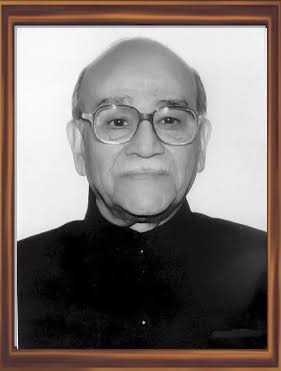
Tiruppur Subrahmanya Avinashilingam Chettiar, fondly remembered as “Ayya,” was a stalwart freedom fighter, devout Gandhian, lawyer, and visionary educationist. As the first Education Minister of the Madras Presidency, he revolutionized the educational framework of South India by championing regional languages, establishing foundational encyclopedias, and anchoring social welfare into schooling. His life was an embodiment of selfless service, rural empowerment, and national integration.
2. Quick Facts
- Full Name: Tiruppur Subrahmanya Avinashilingam Chettiar
- Native Name: திருப்பூர் சுப்பிரமணிய அவினாசிலிங்கம் செட்டியார்
- Date of Birth: May 5, 1903
- Place of Birth: Tiruppur, Coimbatore District, Madras Presidency, British India (now Tamil Nadu)
- Nationality: Indian
- Occupation / Profession: Lawyer, Politician, Educationist, Freedom Fighter
- Field of Achievement: Education, Literature, and Social Reform
- Years Active: c. 1920s – 1991
3. Award Information
- Award Name: Padma Bhushan
- Award Category: Civilian Award (Third Highest Civilian Award in India)
- Award Year: 1970
- Presented By: Government of India
- Date of Ceremony: 1970 (As per annual Rashtrapati Bhavan investiture records)
- Citation / Official Reason: For his pioneering, exceptional contributions to education and literature.
- Previous Recipients (Optional): Prominent national leaders, scholars, and public servants recognized in preceding years.
- Next Recipients: Succeeding batches of awardees honored in subsequent years.
4. Why He Received the Award
T. S. Avinashilingam Chettiar received the Padma Bhushan in recognition of his monumental lifetime service to Indian education and Tamil literature. He was honored for spearheading massive structural reforms in learning, establishing premier residential and women’s educational institutions, championing the Tamil language movement, and dedicating his entire existence to Gandhian social upliftment.
5. Early Life
Born into a wealthy merchant family in Tiruppur to K. Subrahmanya Chettiar and Palaniammal, Avinashilingam grew up with a deep sense of social responsibility. Influenced deeply by the Indian National Movement and the ideals of Swami Vivekananda and Ramakrishna Paramahamsa, he chose a path of austerity and national service over personal wealth. Inspired by Mahatma Gandhi during the freedom struggle, he actively participated in the Civil Disobedience and Quit India movements, facing multiple imprisonments between 1930 and 1944. When Gandhi visited South India for Harijan welfare, Chettiar managed massive fundraising campaigns and hosted him closely.
6. Education
- Schooling: Completed early education at Tiruppur High School and London Mission High School, Coimbatore.
- Undergraduate Degree: Graduated from Pachaiyappa’s College, Madras in 1923.
- Law Degree: Earned his law degree from Madras Law College (University of Madras) in 1926, briefly practicing law under his uncle, T. A. Ramalingam Chettiar, before diving into full-time national service.
7. Career Journey
Chettiar’s career stretched across legal, political, and educational spheres:
- Legislator: Served as a member of the Imperial Legislative Council (1934–1945), a Member of Parliament in the Lok Sabha (1952–1957), and a Member of the Rajya Sabha (1958–1964).
- Education Minister: Served as the Minister of Education for the Madras Presidency from 1946 to 1949 under premiers Tanguturi Prakasam and O. P. Ramaswamy Reddiyar.
- Institution Builder: Founded the Ramakrishna Mission Vidyalaya in Coimbatore (1930) and established the Avinashilingam Home Science College for Women, which later grew into a deemed university.
8. Major Achievements
- Introduction of Tamil as Medium of Instruction: As Education Minister, he historicized education by making Tamil the medium of instruction in secondary schools.
- First Tamil Encyclopedia: Established the Tamil Valarchi Kalagam (Tamil Academy) in 1946, which published the first-ever 10-part encyclopedia in Tamil.
- Nationalization of Bharathiyar’s Works: Nationalized the revolutionary poems of nationalist poet Subramania Bharati, making them freely accessible to the public and schools.
- Curriculum Reforms: Successfully introduced Thirukkural as a mandatory part of the school curriculum and instituted university professorships for Tamil and other regional languages.
9. Contribution to the Nation
Avinashilingam Chettiar democratized knowledge by bringing education to rural, marginalized, and female populations long before it became mainstream policy. By integrating Gandhian basic education (Nai Talim) with modern scientific disciplines, he built self-reliant educational models. His pioneering efforts in library movements and adult literacy laid the bedrock for Tamil Nadu’s high educational standards today.
10. Other Awards and Honours
- Jamnalal Bajaj Award (1985): Honored for his outstanding contribution to constructive social work and Gandhian ideals.
- G. D. Birla Award: Recognized for excellence and philanthropic leadership in education.
- Honorary Recognition: Widely respected and felicitated across India as an educational statesman and true Gandhian patriarch.
11. Legacy and Influence
His legacy lives on through the vast network of schools, polytechnics, and the Avinashilingam Institute for Home Science and Higher Education for Women in Coimbatore. Known affectionately as “Ayya” by thousands of students and disciples, he shaped generations of independent India’s citizens through values of discipline, community service, and spiritual grounding.
12. Interesting Facts
- When Mahatma Gandhi visited Coimbatore to raise funds for the Harijan Welfare Fund, Chettiar personally collected and donated a staggering sum of two and a half lakh rupees while bearing all tour expenses.
- He established the Ramakrishna Mission Vidyalaya on a modest scale with just a single student, which later expanded into a massive 300-acre multi-educational campus.
- Unlike many politicians of his time, he pioneered anti-untouchability practices by actively welcoming and admitting children from oppressed castes into his residential schools during an era of strict caste segregation.
13. Quotes
“Education is not merely for earning a livelihood; it is training for life, rooted in character, truth, and service to society.” — T. S. Avinashilingam Chettiar
14. Timeline
- 1903: Born on May 5 in Tiruppur, Tamil Nadu.
- 1930: Founds the Ramakrishna Mission Vidyalaya in Coimbatore.
- 1930–1944: Arrested multiple times during the Civil Disobedience and Quit India movements.
- 1946–1949: Serves as the Education Minister of the Madras Presidency.
- 1957: Establishes the Avinashilingam Home Science College for Women.
- 1970: Conferred the Padma Bhushan by the Government of India.
- 1985: Receives the Jamnalal Bajaj Award.
- 1991: Passes away on November 21 at the age of 88.
15. References
- Wikipedia & Archival records on T. S. Avinashilingam Chettiar.
- Sri Ramakrishna Mission Vidyalaya historical documentation.
- Jamnalal Bajaj Foundation Archives.
- Regional historical profiles published by The Hindu.
16. Related Personalities
- Mahatma Gandhi
- Subramania Bharati
- Swami Vivekananda
- Tanguturi Prakasam
- G. D. Birla
17. Frequently Asked Questions (FAQ)
Q1: Who was T. S. Avinashilingam Chettiar?
A: He was an eminent Indian freedom fighter, lawyer, Gandhian, and educationist who served as the first Education Minister of the Madras Presidency and founded multiple prominent educational institutions.
Q2: What are his major contributions to education?
A: He is best remembered for introducing Tamil as the medium of instruction in schools, commissioning the first Tamil encyclopedia, nationalizing Subramania Bharati’s poems, and establishing the Ramakrishna Mission Vidyalaya and Avinashilingam Women’s University.
Q3: When did he receive the Padma Bhushan?
A: He was honored with the Padma Bhushan by the Government of India in the year 1970 for his pioneering contributions to education and literature.
About the Author