
1. Introduction
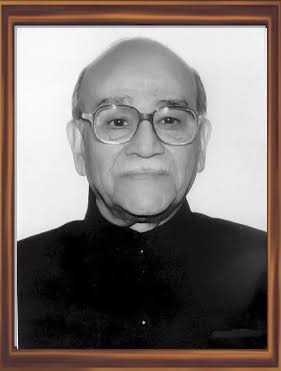
Ratan Lal Joshi was a stalwart Indian independence activist, eminent journalist, and prolific writer whose life was deeply intertwined with the sociopolitical fabric of 20th-century India. Having spent his youth battling colonial rule—most notably enduring imprisonment during the Quit India Movement—he transitioned seamlessly into nation-building through the medium of the press. Closely associated with Gandhian ideals and national leadership, Joshi left an indelible mark on Indian journalism and freedom fighter welfare organizations.
2. Quick Facts
- Full Name: Ratan Lal Joshi
- Native Name: रतन लाल जोशी
- Date of Birth: June 28, 1922
- Place of Birth: Churu, a desert city then in the Bikaner State (now in Rajasthan), British India
- Nationality: Indian
- Occupation / Profession: Journalist, Independence Activist, Writer
- Field of Achievement: Journalism, Literature, and Public Affairs
- Years Active: c. 1940s – 2000
3. Award Information
- Award Name: Padma Bhushan
- Award Category: Civilian Award (Third Highest Civilian Award in India)
- Award Year: 1970
- Presented By: Government of India
- Date of Ceremony: 1970 (In accordance with annual Rashtrapati Bhavan investiture records)
- Citation / Official Reason: For distinguished service and notable contributions in the fields of literature, education, and public journalism.
- Previous Recipients (Optional): Prominent public intellectuals, freedom fighters, and journalists recognized in preceding years.
- Next Recipients: Succeeding batches of national icons honored in subsequent years.
4. Why He Received the Award
Ratan Lal Joshi received the Padma Bhushan in recognition of his lifelong dedication to the nation—first as a brave freedom fighter during the freedom struggle and subsequently as a principled journalist who championed nationalist causes. He was honored for his profound commitment to Gandhian journalism, his literary works capturing India’s revolutionary history, and his tireless advocacy for the welfare of fellow freedom fighters.
5. Early Life
Born in Churu, Rajasthan, Joshi grew up during a period of intense political awakening across British India and the princely states. Displaying deep patriotic fervor from an early age, he joined the Indian freedom struggle when he was just 18 years old. His active participation in the Quit India Movement of 1942 led to his arrest and incarceration by the colonial authorities, setting the tone for a life defined by courage and uncompromising national loyalty.
6. Education
- Early Education & Self-Cultivation: Pursued local schooling in Rajasthan, but his primary political and ideological grounding was forged directly in the crucible of the freedom movement alongside frontline national leaders.
- Journalistic Apprenticeship: Honed his craft under the direct tutelage of veteran Gandhian editors, learning the ropes of ethical and fearless public reporting.
7. Career Journey
Joshi chose journalism as his principal vehicle for social transformation after independence:
- The Gandhian Press: He joined Harijan, the iconic weekly founded by Mahatma Gandhi, where he trained under its then-chief editor, Kishorelal Bhai Mashruwala.
- Editorial Roles: Worked across several publishing houses, editing influential journals and newspapers such as Bhai-Bahin, Samaj Sewak, Veer Bhoomi, Rajasthan, Rajasthan Samaj, and Kul Lakshmi.
- Political Advisor: During the early 1970s, he served as a close advisor to Prime Minister Indira Gandhi, offering strategic perspectives on national media and freedom movement matters.
8. Major Achievements
- Authored Historical Works: Published significant books documenting India’s struggle for independence, including Lal Kile Main, Krantikari Prerna ke Srot, and Mrityunjayee.
- Championing Freedom Fighters: Served as the Secretary of the All-India Freedom Fighters’ Organisation and a key member of the presidium of the Rajasthan Freedom Fighters’ Organisation.
- Founding Institutional Archives: Established the Shaheed Smarak Evam Swadhinata Sangram Shodh Sansthan in Jaipur, a research institution dedicated to preserving the history of martyrs and freedom fighters.
9. Contribution to the Nation
Ratan Lal Joshi bridged the transition from pre-independence revolutionary journalism to post-independence democratic nation-building. Through his editorial work with Mahatma Gandhi’s publications and regional papers, he kept the values of truth, secularism, and public accountability alive in the press. His later organizational work ensured that the sacrifices of ordinary freedom fighters were systematically documented and remembered by future generations.
10. Other Awards and Honours
- Civic and State Felicitations: Widely honored by various literary societies, journalist associations, and freedom fighter councils across Rajasthan, Delhi, and Maharashtra.
- Centenary Celebrations: Commemorated nationally for his lifelong contributions to journalism, literature, and archival preservation.
11. Legacy and Influence
Joshi’s legacy lives on through his pioneering contributions to Gandhian journalism and historical documentation. The research institutions and fighter welfare forums he helped set up continue to serve as crucial resources for historians studying India’s independence movement. He is remembered as an unyielding defender of journalistic integrity and a true soldier of truth.
12. Interesting Facts
- He was jailed as a teenager during the 1942 Quit India Movement, turning his prison experiences into a lifelong commitment to public service and writing.
- Working closely with Mahatma Gandhi’s publication Harijan deeply shaped his personal philosophy of simple living, truth-seeking, and fearlessness in media.
- Though he interacted closely with top-tier political leadership like Indira Gandhi, he maintained his core identity as an independent grassroots worker and archivist.
13. Quotes
“Journalism in a free nation must serve as the voice of the voiceless, holding a mirror to truth without fear or favor.” — Ratan Lal Joshi
14. Timeline
- 1922: Born on June 28 in Churu, Rajasthan.
- 1942: Imprisoned for participating in the Quit India Movement at age 18.
- Post-1947: Joins Mahatma Gandhi’s Harijan weekly and begins a prolific career in journalism.
- 1970: Conferred the prestigious Padma Bhushan by the Government of India.
- Early 1970s: Serves as a close political and media advisor in New Delhi.
- 2006: Passes away on September 19 in Mumbai at the age of 84.
15. References
- Wikipedia Biographical Archives on Ratan Lal Joshi.
- Ministry of Home Affairs, Government of India (Padma Awards Directory – 1970 records).
- Obituary notices and historical press archives (Web India News / Karmayog, September 2006).
16. Related Personalities
- Mahatma Gandhi
- Indira Gandhi
- Kishorelal Bhai Mashruwala
- Aruna Asaf Ali
17. Frequently Asked Questions (FAQ)
Q1: Who was Ratan Lal Joshi?
A: Ratan Lal Joshi was an Indian independence activist, journalist, and writer who participated in the Quit India Movement and worked closely with Gandhian publications like Harijan.
Q2: What are his major literary and institutional contributions?
A: He authored historical books on India’s freedom struggle such as Lal Kile Main and Mrityunjayee, and founded the Shaheed Smarak Evam Swadhinata Sangram Shodh Sansthan in Jaipur to document freedom fighter history.
Q3: When did Ratan Lal Joshi receive the Padma Bhushan?
A: He was awarded the Padma Bhushan by the Government of India in the year 1970 for his distinguished work in literature and journalism.
About the Author