1. Introduction
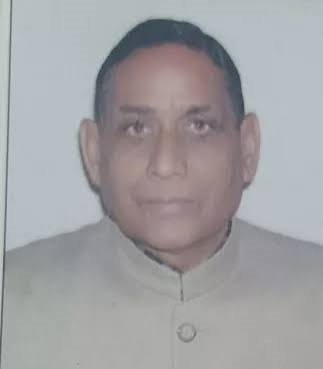
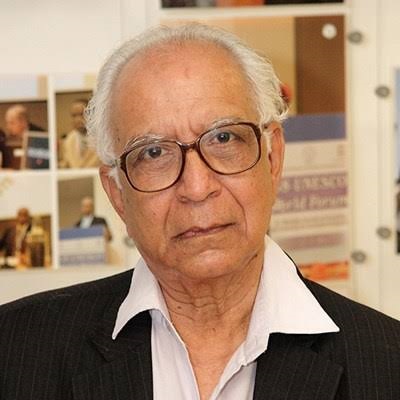
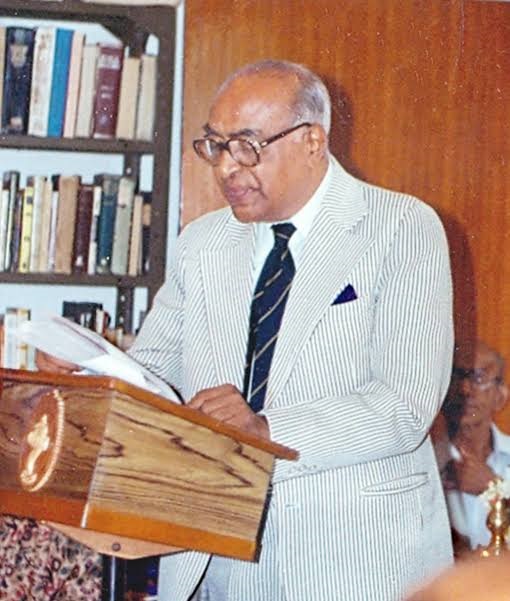
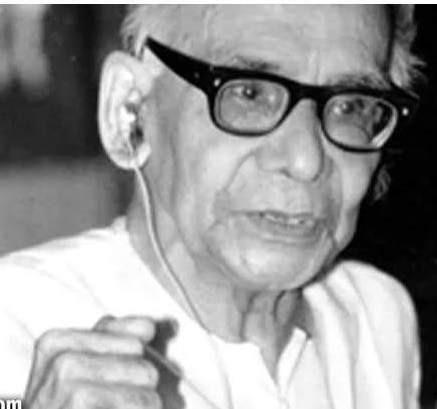
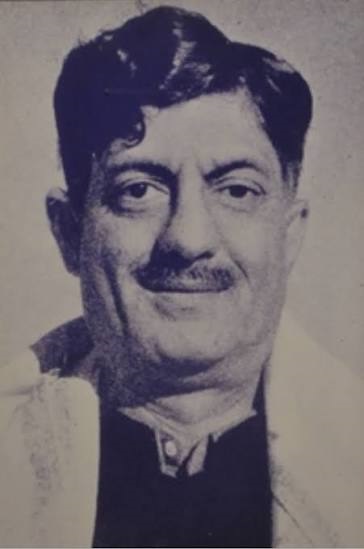
Tushar Kanti Ghosh was a renowned Indian journalist, newspaper editor, publisher, freedom movement supporter, and public intellectual. He is best known for his long association with the Amrita Bazar Patrika, one of India’s most influential newspapers during the freedom struggle and the early decades after Independence. Through fearless journalism, advocacy of press freedom, and social service, he made a lasting impact on Indian media. In recognition of his distinguished contributions to literature, journalism, and public life, the Government of India conferred upon him the Padma Bhushan in 1961.
2. Quick Facts
| Particular | Details |
|---|---|
| Full Name | Tushar Kanti Ghosh |
| Native Name | তুষার কান্তি ঘোষ (Bengali) |
| Date of Birth | 21 September 1898 |
| Place of Birth | Calcutta (now Kolkata), Bengal Presidency, British India |
| Date of Death | 29 August 1994 |
| Place of Death | Kolkata, West Bengal, India |
| Nationality | Indian |
| Occupation / Profession | Journalist, Editor, Publisher, Writer |
| Field of Achievement | Journalism, Literature, Public Affairs |
| Years Active | 1919–1994 |
| Known For | Editor of Amrita Bazar Patrika and champion of press freedom |
3. Award Information
Award Name
Padma Bhushan
Award Category
Literature and Education (Journalism)
Award Year
1961
Presented By
President of India
Date of Ceremony
1961 Padma Awards Investiture Ceremony
Official Citation / Reason
Tushar Kanti Ghosh received the Padma Bhushan for his outstanding contributions to journalism, literature, newspaper publishing, and public service, particularly through his leadership of the Amrita Bazar Patrika and his role in strengthening the Indian press.
Previous Recipients (Optional)
The Padma Bhushan is not awarded in a sequential manner, so there are no official previous recipients.
Next Recipients
Not applicable.
4. Why Did Tushar Kanti Ghosh Receive the Padma Bhushan?
He was honored with the Padma Bhushan because he:
- Strengthened independent journalism in India.
- Led Amrita Bazar Patrika, one of India’s most respected newspapers.
- Promoted freedom of the press and democratic values.
- Encouraged responsible journalism and editorial independence.
- Contributed to literature, public discourse, and national development.
- Supported India’s freedom movement through nationalist journalism.
5. Early Life
Tushar Kanti Ghosh was born on 21 September 1898 in Calcutta into the distinguished Ghosh family, founders of the Amrita Bazar Patrika. Growing up in a household deeply involved in journalism and the freedom movement, he developed an early interest in writing, public affairs, and national politics.
6. Education
Tushar Kanti Ghosh received his education in Calcutta. During his student years, he became interested in journalism and public affairs, eventually joining the family newspaper. Although he did not pursue a long academic career, his practical experience and literary interests shaped him into one of India’s most respected editors.
7. Career Journey
His journalism career began at the Amrita Bazar Patrika, where he learned newspaper management and editorial work under senior members of his family.
Career Highlights
- Joined the editorial team of Amrita Bazar Patrika.
- Became Editor and later Editor-in-Chief of the newspaper.
- Guided the newspaper through India’s independence movement and post-independence years.
- Promoted ethical journalism and editorial independence.
- Wrote articles, editorials, and books on politics, society, and culture.
- Participated in several national and international press organizations.
8. Major Achievements
- Editor of Amrita Bazar Patrika, one of India’s oldest nationalist newspapers.
- Prominent advocate of press freedom.
- Influential public speaker and writer.
- Authored books and essays on journalism and public affairs.
- Received the Padma Bhushan in 1961.
- Played an important role in shaping modern Indian journalism.
9. Contribution to the Nation
Tushar Kanti Ghosh contributed to India by:
- Promoting independent and responsible journalism.
- Supporting the freedom movement through nationalist reporting.
- Strengthening democratic values and freedom of expression.
- Influencing public opinion through balanced editorials.
- Encouraging ethical standards in Indian journalism.
- Inspiring generations of journalists and media professionals.
10. Other Awards and Honours
- Padma Bhushan (1961).
- Honorary recognitions from journalism and literary organizations.
- Leadership positions in national press associations.
- Widely respected as one of India’s senior-most newspaper editors.
11. Legacy and Influence
Tushar Kanti Ghosh remains an iconic figure in Indian journalism.
His legacy includes:
- Upholding editorial independence.
- Defending freedom of the press.
- Modernizing newspaper management.
- Inspiring future journalists through ethical reporting.
- Strengthening the reputation of Amrita Bazar Patrika as a national institution.
12. Interesting Facts
- He belonged to the family that founded Amrita Bazar Patrika.
- His journalism career spanned more than seven decades.
- He witnessed British rule, India’s independence, and the evolution of modern Indian democracy.
- He was respected across political parties for his editorial integrity.
- He remained active in journalism well into his nineties.
13. Quotes
There are no widely authenticated quotations by Tushar Kanti Ghosh available in reliable historical sources. It is advisable not to include unverified quotes in a factual blog.
14. Timeline
| Year | Event |
|---|---|
| 1898 | Born in Calcutta |
| 1919 | Joined Amrita Bazar Patrika |
| 1930s–1940s | Played an important editorial role during India’s freedom movement |
| 1947 | Covered India’s Independence |
| 1961 | Awarded the Padma Bhushan |
| 1970s–1980s | Continued writing and mentoring journalists |
| 1994 | Passed away on 29 August in Kolkata |
15. References
- Wikipedia – Tushar Kanti Ghosh: https://en.wikipedia.org/wiki/Tushar_Kanti_Ghosh
- Padma Awards Portal (Government of India): https://www.padmaawards.gov.in/
- The Statesman Archives – Articles on Tushar Kanti Ghosh.
- Amrita Bazar Patrika historical records and archives.
- Government of India, Padma Awards notifications.
16. Related Personalities
- Sisir Kumar Ghosh – Founder of Amrita Bazar Patrika.
- Motilal Ghosh – Veteran editor and nationalist journalist.
- Ramananda Chatterjee – Journalist and editor.
- Ganesh Shankar Vidyarthi – Freedom fighter and journalist.
- Mahatma Gandhi – National leader whose movement received support from nationalist newspapers.
17. Frequently Asked Questions (FAQ)
Who was Tushar Kanti Ghosh?
Tushar Kanti Ghosh was an Indian journalist, editor, publisher, and writer who led the influential newspaper Amrita Bazar Patrika.
Why is Tushar Kanti Ghosh famous?
He is famous for his contributions to Indian journalism, his leadership of Amrita Bazar Patrika, and his advocacy of press freedom and ethical reporting.
Which award did Tushar Kanti Ghosh receive?
He received the Padma Bhushan in 1961 for his contributions to journalism and literature.
What newspaper was Tushar Kanti Ghosh associated with?
He spent most of his career with Amrita Bazar Patrika, one of India’s most influential newspapers.
What was his contribution to India’s freedom movement?
Through nationalist journalism and editorials, he supported the Indian independence movement and promoted democratic values and freedom of expression.
What is Tushar Kanti Ghosh’s legacy?
His legacy lies in strengthening ethical journalism, defending press freedom, and inspiring generations of Indian journalists through his editorial leadership and commitment to public service.
About the Author