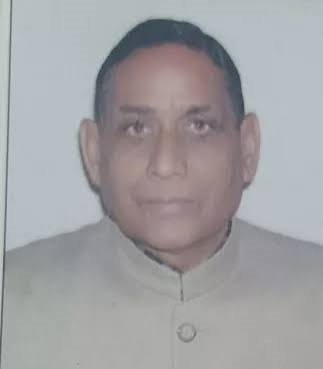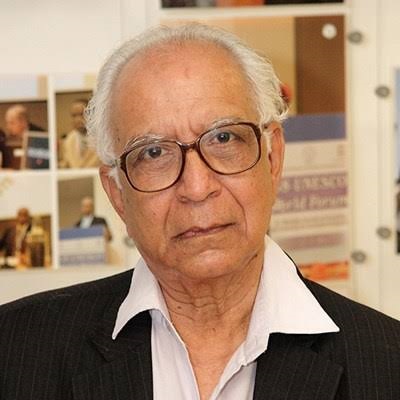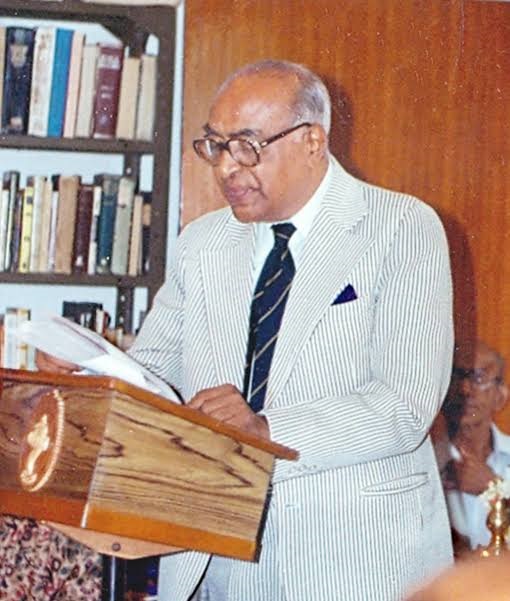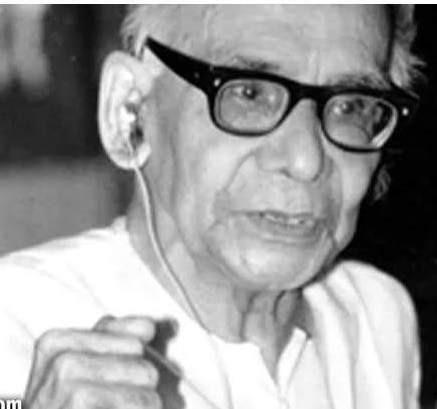
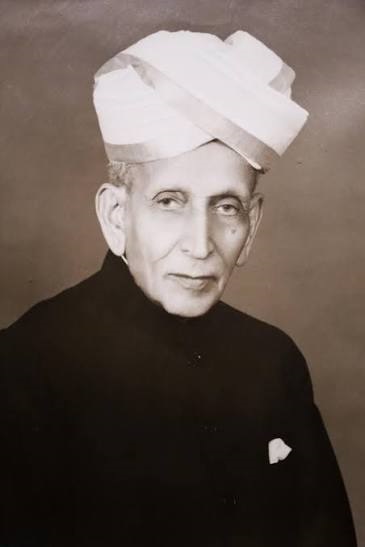
Dr. Kanuri Lakshmana Rao (15 July 1902 – 18 May 1986) was a renowned Indian civil engineer, irrigation expert, hydrologist, politician, and administrator. He played a major role in developing India’s irrigation and power infrastructure after independence. He served as the Union Minister of Irrigation and Power and contributed to the planning and construction of several major river valley and hydroelectric projects. He received the Padma Bhushan in 1963 for his outstanding contribution to Civil Service (Engineering and Public Administration).
1. Introduction
Dr. Kanuri Lakshmana Rao, popularly known as K. L. Rao, was one of India’s most respected civil engineers and water-resource experts. He dedicated his career to solving India’s challenges in irrigation, flood control, and electricity generation.
As an engineer and policymaker, he contributed to the development of large-scale irrigation projects that supported agricultural growth and economic development in independent India. He later entered politics and served as a Member of Parliament and Union Minister.
2. Quick Facts
| Information | Details |
|---|---|
| Full Name | Dr. Kanuri Lakshmana Rao |
| Native Name | కనూరు లక్ష్మణ రావు |
| Date of Birth | 15 July 1902 |
| Place of Birth | Kankipadu, Krishna District, Andhra Pradesh (then Madras Presidency) |
| Date of Death | 18 May 1986 |
| Nationality | Indian |
| Profession | Civil Engineer, Hydrologist, Politician |
| Field of Achievement | Irrigation, Water Resources, Power Development, Public Administration |
| Years Active | 1920s–1970s |
| Known For | Indian irrigation projects and water resource planning |
3. Award Information
| Field | Details |
|---|---|
| Award Name | Padma Bhushan |
| Award Category | Civil Service |
| Award Year | 1963 |
| Presented By | Government of India / President of India |
| Date of Ceremony | 1963 Investiture Ceremony |
| Official Citation | Contribution as an engineer and public servant |
| Awarding Authority | Government of India |
The Government of India’s 1963 Padma Awards notification listed Dr. Kanuri Lakshmana Rao, Engineer and Member of Parliament, Andhra Pradesh as a recipient of the Padma Bhushan.
4. Why Did He Receive the Padma Bhushan?
Dr. K. L. Rao received the Padma Bhushan for:
- Exceptional contribution to irrigation and water-resource development.
- Designing and planning major engineering projects.
- Strengthening India’s power and agricultural infrastructure.
- Providing technical leadership in government service.
- Advancing civil engineering practices in India.
5. Early Life
Kanuri Lakshmana Rao was born on 15 July 1902 in Kankipadu village of Krishna district, Andhra Pradesh.
He belonged to a Telugu family. His father was a village lawyer. Despite losing his father at a young age, Rao continued his education and developed a strong interest in engineering and science.
6. Education
Dr. Rao had an outstanding academic career:
- Completed schooling in Vijayawada.
- Studied at Presidency College, Madras.
- Earned a Bachelor of Engineering (Civil Engineering) degree from the College of Engineering, Guindy.
- Became the first student from the college to obtain a master’s degree in engineering.
- Received his PhD from the University of Birmingham, United Kingdom, in 1939.
7. Career Journey
Early Engineering Career
After completing his education, Rao worked in engineering and academic positions:
- Served as a professor in Rangoon (present-day Yangon, Myanmar).
- Worked as an assistant professor in the United Kingdom.
- Returned to India and joined government engineering services.
Government Engineering Service
After returning to India, he worked as a design engineer for the Madras Government.
Important positions included:
- Director (Designs), Central Electricity Commission, New Delhi (1950)
- Chief Engineer (1954)
He contributed to planning and designing major irrigation and power projects.
Political Career
Dr. Rao entered public life and was elected as a Member of Parliament from Vijayawada.
He served:
- As a Lok Sabha Member (1962–1977)
- As Union Minister of Irrigation and Power (1963–1973)
During his ministerial tenure, he worked on national water management and power development programmes.
8. Major Achievements
- Received the Padma Bhushan in 1963.
- Designed and contributed to major irrigation and hydroelectric projects.
- Served as Union Minister of Irrigation and Power.
- Served as President of the Central Board of Irrigation and Power.
- Served as President of the All India Engineers Association.
- Authored the book “Structural Engineering and Reinforced Concrete.”
- Wrote his autobiography “The Cusecs Candidate.”
9. Contribution to the Nation
Irrigation Development
Dr. Rao played a key role in expanding India’s irrigation capacity, helping improve agricultural productivity and water management.
Power Generation
He contributed to the planning of hydroelectric and electricity projects needed for India’s industrial growth.
Engineering Education
Through teaching and professional leadership, he helped develop future generations of Indian engineers.
Public Administration
As Union Minister, he helped shape national policies related to water resources and power.
10. Other Awards and Honours
| Award / Honour | Year |
|---|---|
| Doctor of Science – Andhra University | 1960 |
| Padma Bhushan | 1963 |
| Honorary Doctorate in Engineering – University of Roorkee | 1968 |
11. Legacy and Influence
Dr. K. L. Rao is remembered as one of India’s greatest water-resource engineers.
His legacy includes:
- Development of irrigation planning in India.
- Strengthening of engineering institutions.
- Contribution to national water and electricity policies.
- Inspiration for future generations of civil engineers.
The K. L. Rao Sagar Project in Andhra Pradesh was named in his honour.
12. Interesting Facts
- He was one of India’s earliest internationally trained civil engineers.
- He earned a PhD from the University of Birmingham.
- He served both as an engineer and a Union Minister.
- He was known as an expert in irrigation and water management.
- He wrote technical books as well as his autobiography.
- He received the Padma Bhushan in 1963.
13. Quotes
No widely authenticated quotations by Dr. Kanuri Lakshmana Rao are available in reliable historical sources.
14. Timeline
| Year | Event |
|---|---|
| 1902 | Born on 15 July in Kankipadu, Andhra Pradesh |
| 1920s | Began higher education in engineering |
| 1939 | Received PhD from University of Birmingham |
| 1940s | Worked in engineering and government services |
| 1950 | Became Director (Designs), Central Electricity Commission |
| 1954 | Became Chief Engineer |
| 1962 | Elected Member of Parliament from Vijayawada |
| 1963 | Received Padma Bhushan and became Union Minister of Irrigation and Power |
| 1973 | Completed ministerial tenure |
| 1986 | Passed away on 18 May |
15. References
- Government of India – Padma Awards Database.
- Padma Awards Gazette Notification 1963.
- Biography of Dr. Kanuri Lakshmana Rao.
- Historical records on Indian irrigation and engineering development.
16. Related Personalities
- M. Visvesvaraya – Legendary Indian civil engineer and Bharat Ratna recipient.
- A. N. Khosla – Indian engineer and irrigation expert.
- Mokshagundam Visvesvaraya – Pioneer of modern engineering in India.
- P. C. Mahalanobis – Indian statistician and planner.
- Jawaharlal Nehru – First Prime Minister of India who promoted large development projects.
17. Frequently Asked Questions (FAQ)
1. Who was Kanuri Lakshmana Rao?
Dr. Kanuri Lakshmana Rao was an Indian civil engineer, water-resource expert, and politician known for his contribution to irrigation and power development.
2. Which award did K. L. Rao receive?
He received the Padma Bhushan in 1963 for his contribution as an engineer and public servant.
3. What was K. L. Rao famous for?
He was famous for designing and promoting irrigation and hydroelectric projects in India.
4. What ministry did he lead?
He served as the Union Minister of Irrigation and Power.
5. Where was K. L. Rao born?
He was born in Kankipadu, Krishna district, Andhra Pradesh.
6. Which book was written by K. L. Rao?
He wrote “Structural Engineering and Reinforced Concrete” and his autobiography “The Cusecs Candidate.”
7. When did K. L. Rao die?
He died on 18 May 1986.
About the Author