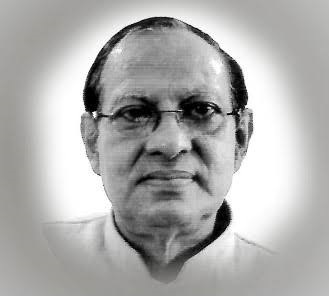
Sudhansu Sobhan Maitra was a distinguished Indian physician, military medical officer, and faculty member of Willingdon Hospital (now Ram Manohar Lohia Hospital). He served India both as a doctor and as a medical officer during World War II. Later, he became Surgeon to the President of India, one of the country’s most prestigious medical appointments. In recognition of his exceptional contribution to medicine, the Government of India honoured him with the Padma Bhushan in 1962. He was also elected a Fellow of the Royal College of Physicians of Edinburgh in 1964.
2. Quick Facts
| Information | Details |
|---|---|
| Full Name | Sudhansu Sobhan Maitra |
| Native Name | Not officially available |
| Date of Birth | Not publicly available |
| Place of Birth | India |
| Nationality | Indian |
| Profession | Physician, Surgeon, Medical Educator |
| Field of Achievement | Medicine |
| Years Active | Mid-20th Century |
| Known For | Surgeon to the President of India, Padma Bhushan recipient |
| Military Service | Medical Officer during World War II |
3. Award Information
| Field | Details |
|---|---|
| Award Name | Padma Bhushan |
| Award Category | Medicine |
| Award Year | 1962 |
| Presented By | President of India on behalf of the Government of India |
| Date of Ceremony | Investiture held in 1962 (exact date not readily available) |
| Official Citation | Distinguished service in the field of Medicine |
| Previous Recipients (Medicine, 1961) | Dr. Rustomji Bomanji Billimoria, Dr. Tridib Nath Banerjee |
| Next Recipients (Medicine, 1963) | Dr. N. N. Bery and other medical awardees |
4. Why Did He Receive the Award?
Sudhansu Sobhan Maitra received the Padma Bhushan for:
- Outstanding contributions to medical science.
- Distinguished service as a physician and surgeon.
- Service to India’s healthcare system.
- Leadership in military medicine during World War II.
- Serving as Surgeon to the President of India, reflecting national recognition of his professional excellence.
5. Early Life
Very little verified information is available regarding Sudhansu Sobhan Maitra’s childhood or family background. Historical records primarily document his professional achievements rather than his personal life.
It is known that he was born in India and later pursued medical education before entering public service.
6. Education
- Graduated from Patna University.
- Received formal medical training that prepared him for both civilian and military medical practice.
- Became a Fellow of the Royal College of Physicians of Edinburgh in 1964, reflecting international professional recognition.
7. Career Journey
Medical Education
After completing his studies at Patna University, Maitra entered the medical profession.
World War II
During World War II, he served as a military medical officer and received the War Medal (1944) for his service.
Academic Career
He later joined Willingdon Hospital, New Delhi, as a faculty member, contributing to medical education and patient care.
National Service
He rose to become Surgeon to the President of India, an appointment reserved for highly respected medical professionals.
International Recognition
In 1964, he became a Fellow of the Royal College of Physicians of Edinburgh.
8. Major Achievements
- Padma Bhushan recipient (1962)
- Surgeon to the President of India
- Faculty member at Willingdon Hospital
- World War II medical veteran
- Recipient of the War Medal (1944)
- Fellow of the Royal College of Physicians of Edinburgh (1964)
9. Contribution to the Nation
Sudhansu Sobhan Maitra made important contributions through:
- Improving medical services in India.
- Serving military personnel during World War II.
- Teaching and mentoring future medical professionals.
- Supporting healthcare delivery at a leading government hospital.
- Providing medical care at the highest constitutional level as Surgeon to the President.
10. Other Awards and Honours
- War Medal (1944) for military medical service.
- Fellowship of the Royal College of Physicians of Edinburgh (1964).
- Appointment as Surgeon to the President of India.
11. Legacy and Influence
Sudhansu Sobhan Maitra is remembered as one of India’s distinguished physicians of the twentieth century. His career reflected excellence in clinical medicine, medical education, military healthcare, and national service. His Padma Bhushan remains a testament to his lasting impact on Indian medicine.
12. Interesting Facts
- Served during World War II.
- Received the War Medal in 1944.
- Worked at Willingdon Hospital, now Ram Manohar Lohia Hospital.
- Served as Surgeon to the President of India.
- Received the Padma Bhushan in Medicine in 1962.
- Became a Fellow of the Royal College of Physicians of Edinburgh in 1964.
13. Quotes
No verified quotations by Sudhansu Sobhan Maitra are available in reliable public sources. For accuracy, it is better not to attribute unverified quotes to him.
14. Timeline
| Year | Event |
|---|---|
| Early career | Graduated from Patna University |
| World War II | Served as military medical officer |
| 1944 | Awarded War Medal |
| 1950s | Faculty member at Willingdon Hospital |
| 1962 | Awarded Padma Bhushan |
| 1962 | Served as Surgeon to the President of India |
| 1964 | Elected Fellow, Royal College of Physicians of Edinburgh |
15. References
- Padma Awards Dashboard (Government of India)
- Gazette Notification – Padma Awards 1962
- Sudhansu Sobhan Maitra – Wikipedia
- The Nehru Archive – Sudhansu Sobhan Maitra
16. Related Personalities
- Dukhan Ram
- Santosh Kumar Sen
- Ramaswamy Duraiswamy Ayyar
- Prem Chandra Dhanda
- Raghunath Saran
These physicians were among the notable medical professionals recognized with Padma honours in the same era.
17. Frequently Asked Questions (FAQ)
1. Who was Sudhansu Sobhan Maitra?
He was an Indian physician, military medical officer, medical educator, and Surgeon to the President of India.
2. Which award did he receive?
He received the Padma Bhushan in Medicine in 1962.
3. Where did he work?
He served as a faculty member at Willingdon Hospital (now Ram Manohar Lohia Hospital) in New Delhi.
4. Where did he study?
He graduated from Patna University.
5. Did he serve in the military?
Yes. He served as a medical officer during World War II and received the War Medal in 1944.
6. What international recognition did he receive?
He was elected a Fellow of the Royal College of Physicians of Edinburgh in 1964.
7. Why is he remembered?
He is remembered for his distinguished medical service, military contribution, teaching career, and his role as Surgeon to the President of India.
About the Author