1. Introduction
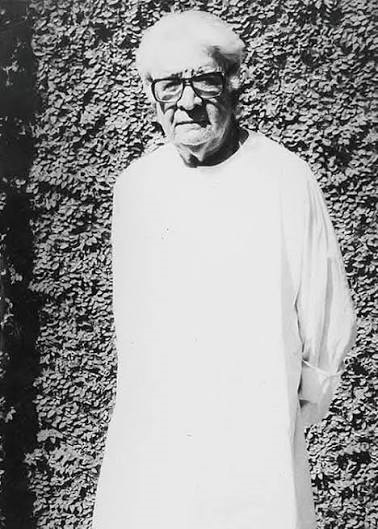
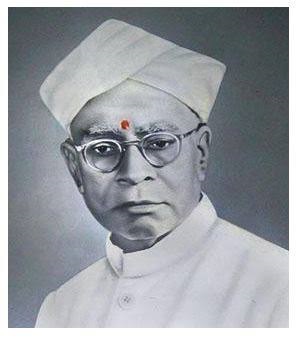
K. A. Nilakanta Sastri (12 August 1892 – 15 June 1975) was one of India’s most respected historians and scholars, widely regarded as the foremost historian of South Indian history. He made pioneering contributions to the study of the Chola, Pallava, Vijayanagara, and other South Indian kingdoms.
Through his extensive research, books, and academic leadership, he shaped modern understanding of South India’s political, cultural, and social history. His famous works, especially “A History of South India” and “The Cholas”, remain important references for students and historians.
For his outstanding contribution to literature and education, he was awarded the Padma Bhushan in 1955 and later honoured with the Sahitya Akademi Award in 1958.
2. Quick Facts
| Item | Details |
|---|---|
| Full Name | Kallidaikurichi Aiyah Nilakanta Sastri |
| Native Name | கல்லிடைக்குறிச்சி ஐயா நீலகண்ட சாஸ்திரி |
| Date of Birth | 12 August 1892 |
| Place of Birth | Kallidaikurichi, Tirunelveli District, Madras Presidency, British India (present-day Tamil Nadu, India) |
| Date of Death | 15 June 1975 |
| Nationality | Indian |
| Occupation / Profession | Historian, Author, Professor, Researcher |
| Field of Achievement | History, Literature, South Indian Studies |
| Years Active | 1910s–1975 |
| Known For | Research on South Indian dynasties and ancient Indian history |
3. Award Information
| Item | Details |
|---|---|
| Award Name | Padma Bhushan |
| Award Category | Literature & Education |
| Award Year | 1955 |
| Presented By | President of India |
| Date of Ceremony | 26 January 1955 (award announced; investiture held later) |
| Citation / Official Reason | Distinguished contribution to literature, education, and historical research |
| Previous Recipients | Not applicable (annual civilian honour) |
| Next Recipients | The Padma Bhushan continued to be awarded annually |
4. Why Did K. A. Nilakanta Sastri Receive the Award?
K. A. Nilakanta Sastri received the Padma Bhushan for his outstanding contribution to Indian historical scholarship.
He was honoured for:
- Extensive research on South Indian history.
- Writing authoritative books on ancient and medieval India.
- Developing the academic study of South Indian kingdoms.
- Preserving India’s historical heritage.
- Contributing to education and historical research.
His writings created a scientific foundation for studying South Indian history.
5. Early Life
K. A. Nilakanta Sastri was born on 12 August 1892 in Kallidaikurichi, Tamil Nadu.
He grew up in a scholarly environment and developed an early interest in literature, languages, and history. His ability to study ancient sources and interpret historical evidence later made him one of India’s leading historians.
6. Education
Nilakanta Sastri received his education at:
- University of Madras
He completed advanced studies in history and developed expertise in:
- Ancient Indian history.
- Sanskrit sources.
- Tamil literature.
- Epigraphy and inscriptions.
His academic training helped him combine literary sources and archaeological evidence in historical research.
7. Career Journey
Early Academic Career
- Began teaching history at colleges in South India.
- Developed a reputation as a brilliant historian and teacher.
University Positions
He served as professor and academic leader at institutions including:
- Annamalai University
- University of Mysore
- University of Madras
Historian and Researcher
He devoted his career to studying:
- Chola Empire.
- Pallava dynasty.
- Vijayanagara Empire.
- South Indian culture and administration.
He used inscriptions, literary works, and archaeological evidence to write reliable histories.
8. Major Achievements
Major achievements of K. A. Nilakanta Sastri include:
- Became the leading historian of South India.
- Authored several landmark historical books.
- Established systematic methods for studying South Indian history.
- Trained generations of historians.
- Contributed greatly to Indian historiography.
Famous Works
Some of his important books include:
- A History of South India: From Prehistoric Times to the Fall of Vijayanagar
- The Cholas
- The Pandyan Kingdom
- The Culture and History of the Tamils
- History of India
9. Contribution to the Nation
K. A. Nilakanta Sastri contributed to India through:
Historical Research
- Documented the achievements of South Indian kingdoms.
- Preserved knowledge of India’s cultural heritage.
Education
- Trained students and researchers.
- Strengthened history education in Indian universities.
Cultural Understanding
- Highlighted India’s diversity and regional traditions.
- Connected political history with art, literature, and society.
His work helped Indians understand the importance of South India’s contribution to national history.
10. Other Awards and Honours
- Padma Bhushan (1955) – Government of India.
- Sahitya Akademi Award (1958) for historical writing.
- Honoured by academic institutions in India and abroad.
- Recognised as one of India’s greatest historians.
11. Legacy and Influence
K. A. Nilakanta Sastri’s legacy continues through:
- His widely used history textbooks.
- Influence on generations of historians.
- Research methods combining inscriptions, literature, and archaeology.
- Greater awareness of South India’s historical importance.
His book “A History of South India” remains a standard reference work.
12. Interesting Facts
- He was considered the “father figure” of modern South Indian historiography.
- He could work with multiple historical sources, including Sanskrit and Tamil texts.
- His research covered more than a thousand years of South Indian history.
- His writings influenced both academic historians and general readers.
- He was a member of important national historical committees.
13. Quotes
No widely authenticated direct quotations by K. A. Nilakanta Sastri are available.
A statement reflecting his historical approach:
“The historian’s task is to understand the past through evidence and present it with accuracy.”
(This expresses his scholarly approach but is not a verified personal quotation.)
14. Timeline
| Year | Event |
|---|---|
| 1892 | Born on 12 August in Kallidaikurichi, Tamil Nadu |
| 1910s | Completed higher education and began academic career |
| 1920s–1940s | Published important works on South Indian history |
| 1955 | Awarded Padma Bhushan |
| 1958 | Received Sahitya Akademi Award |
| 1975 | Passed away on 15 June |
15. References
- Government of India Padma Awards archives.
- Sahitya Akademi award records.
- Publications on Indian historians and South Indian history.
- Books written by K. A. Nilakanta Sastri.
- Academic studies on Chola and South Indian history.
16. Related Personalities
- R. C. Majumdar
- D. D. Kosambi
- Govind Sakharam Sardesai
- Iravatham Mahadevan
- V. Raghavan
17. Frequently Asked Questions (FAQ)
Q1. Who was K. A. Nilakanta Sastri?
K. A. Nilakanta Sastri was a famous Indian historian known for his research on South Indian history.
Q2. When was K. A. Nilakanta Sastri born?
He was born on 12 August 1892 in Kallidaikurichi, Tamil Nadu.
Q3. Which award did K. A. Nilakanta Sastri receive?
He received the Padma Bhushan in 1955.
Q4. Why did K. A. Nilakanta Sastri receive the Padma Bhushan?
He was honoured for his contributions to history, education, and literature.
Q5. What is K. A. Nilakanta Sastri famous for?
He is famous for writing authoritative histories of South Indian dynasties, especially the Cholas.
Q6. What is his most famous book?
His most famous book is “A History of South India: From Prehistoric Times to the Fall of Vijayanagar.”
Q7. Which period of Indian history did he mainly study?
He mainly studied ancient and medieval South Indian history.
Q8. When did K. A. Nilakanta Sastri die?
He died on 15 June 1975.
About the Author