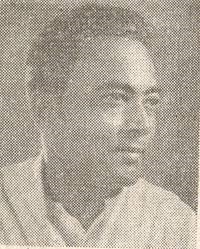
Introduction
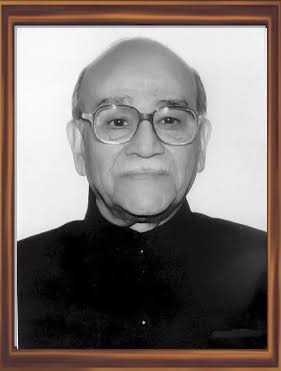
Surendra Kumar Dey was an Indian politician, administrator, and author who played a significant role in shaping India’s rural development policies after independence. He served as the first Union Cabinet Minister for Community Development and Cooperation in the Government of India. Known for his innovative ideas in village development and administration, he worked to improve the lives of rural communities and promote people’s participation in national development.
For his outstanding contribution to public affairs, administration, and rural development, he was honoured with the Padma Bhushan award in 1961 by the Government of India.
Why Did Surendra Kumar Dey Receive the Padma Bhushan Award?
Surendra Kumar Dey received the Padma Bhushan in 1961 for his valuable contributions to public service and community development.
He was recognised for:
- Developing programmes for rural development in independent India.
- Establishing the foundation of India’s community development movement.
- Promoting cooperation between government institutions and rural citizens.
- Introducing new approaches to village administration and social progress.
- Serving the nation through leadership and public administration.
His work helped shape India’s early efforts toward rural transformation.
Early Life
Surendra Kumar Dey was born in a period when India was under British rule. He developed an interest in social service, education, and nation-building from an early age.
He believed that India’s progress depended on improving the conditions of villages, where the majority of the population lived. His ideas focused on self-reliance, cooperation, and community participation.
Birth Date and Death
- Birth Date: 13 September 1906
- Birth Place: East Bengal, British India (present-day Bangladesh)
- Death Date: 24 May 1989
- Age at Death: 82 years
Education and Career
Education
Surendra Kumar Dey received his education in India and developed strong interests in administration, social sciences, and rural development.
He later used his knowledge and experience to work in government service and public administration.
Career
His career included several important roles:
- He worked as an administrator and social development expert.
- He became the first Union Cabinet Minister for Community Development and Cooperation after India’s independence.
- He worked closely with India’s first Prime Minister Jawaharlal Nehru on rural development programmes.
- He played an important role in implementing the Community Development Programme launched in 1952.
- He was also an author who wrote about development, administration, and social change.
Field of Achievements
Surendra Kumar Dey made major contributions in the field of rural development and public administration.
1. Community Development Movement
- He helped establish community development as an important part of India’s planning process.
- He encouraged villagers to participate actively in improving their communities.
2. Rural Development
- He worked to improve agriculture, education, health, and local infrastructure in villages.
- He promoted self-help and cooperation among rural communities.
3. Public Administration
- He introduced new methods of governance focused on people’s needs.
- He helped create stronger links between government programmes and local communities.
4. Writing and Ideas
- Through his books and writings, he shared his thoughts on social development and nation-building.
Awards and Honours
Padma Bhushan (1961)
- Awarded by the Government of India for his distinguished service in public affairs and community development.
Other Recognitions:
- Remembered as one of the pioneers of India’s rural development policies.
- Honoured for his contributions to administration and social progress.
Interesting Facts
- Surendra Kumar Dey was the first Union Cabinet Minister for Community Development and Cooperation in India.
- He played an important role in launching and expanding India’s Community Development Programme.
- He was not only a politician but also an administrator and author.
- He believed that village development was essential for India’s overall growth.
- His ideas influenced later rural development and Panchayati Raj initiatives.
Legacy and Inspiration
Surendra Kumar Dey’s work continues to inspire administrators, social workers, and policymakers. His belief that development should involve ordinary citizens became an important principle in India’s approach to rural progress.
His life demonstrates the importance of leadership, innovation, and dedication to improving society.
Contribution to the Nation
Surendra Kumar Dey contributed to India by:
- Building the foundation of community development programmes.
- Supporting rural transformation after independence.
- Encouraging cooperation and self-reliance among villagers.
- Improving government approaches to social development.
- Promoting people-centred administration.
His efforts helped India address rural challenges during the early years of independence.
Conclusion
Surendra Kumar Dey was a visionary leader who dedicated his life to India’s development and public service. As the first Union Cabinet Minister for Community Development and Cooperation, he played a crucial role in creating programmes aimed at improving rural life. His contributions to administration, community development, and social progress earned him the Padma Bhushan award and a respected place in India’s history. His ideas continue to inspire efforts toward inclusive and sustainable development.
About the Author