Introduction
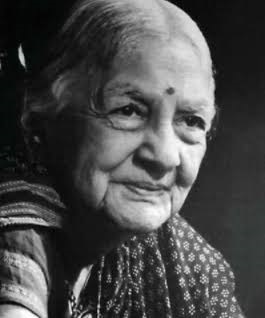
Kamaladevi Chattopadhyay was one of India’s most influential freedom fighters, social reformers, and cultural leaders. She played a significant role in India’s independence movement and worked tirelessly to revive Indian handicrafts, handlooms, theatre, and traditional arts. She was a strong advocate for women’s empowerment and helped create opportunities for women to become economically independent.
For her exceptional contribution to Indian culture, social development, and public life, she was honoured with the Padma Bhushan award in 1955 by the Government of India.
Why Did Kamaladevi Chattopadhyay Receive the Padma Bhushan Award?
Kamaladevi Chattopadhyay received the Padma Bhushan in 1955 for her outstanding contributions to social work, public affairs, and the promotion of Indian arts and crafts.
She was recognised for:
- Reviving India’s traditional handicrafts and handloom industries.
- Supporting artisans and craftsmen across India.
- Promoting women’s participation in social and economic activities.
- Contributing to the freedom struggle.
- Preserving India’s cultural heritage after independence.
Her efforts helped protect India’s artistic traditions and provided livelihoods to thousands of craftspeople.
Early Life
Kamaladevi Chattopadhyay was born into a progressive family in Mangalore, Karnataka. She grew up in an environment that encouraged education, independence, and social awareness.
From a young age, she showed interest in social reform and developed a strong desire to work for equality and justice. She later became one of the earliest women leaders to participate actively in India’s political and cultural movements.
Birth Date and Death
- Birth Date: 3 April 1903
- Birth Place: Mangalore, Madras Presidency (present-day Karnataka, India)
- Death Date: 29 October 1988
- Age at Death: 85 years
Education and Career
Education
Kamaladevi received her early education in India and later studied at institutions in England. Her education exposed her to international ideas about social reform, women’s rights, and political movements.
Career
Kamaladevi had a diverse career as:
- A freedom fighter during India’s independence movement.
- A social reformer working for women’s empowerment.
- A leader in the cooperative movement.
- A promoter of Indian handicrafts and traditional arts.
- A supporter of theatre and cultural institutions.
She was closely associated with the Indian National Congress and participated in the freedom struggle alongside many national leaders.
Field of Achievements
Kamaladevi Chattopadhyay made significant contributions in several fields:
1. Freedom Movement
- She actively participated in the Indian independence movement.
- She was among the first women to join the civil disobedience movement.
- She was arrested for her involvement in nationalist activities.
2. Women Empowerment
- She worked to improve the social and economic position of women.
- She encouraged women to participate in politics, education, and entrepreneurship.
3. Handicrafts and Handlooms
- She played a major role in reviving Indian crafts after independence.
- She helped establish organisations to support artisans.
4. Theatre and Culture
- She promoted Indian theatre and helped develop cultural institutions.
- She supported artists and traditional performers.
Awards and Honours
Kamaladevi Chattopadhyay received several prestigious awards for her lifelong service:
Padma Bhushan (1955)
- Awarded by the Government of India for her contribution to social work and cultural development.
Other Honours:
- Padma Vibhushan (1987) – India’s second-highest civilian honour.
- Ramon Magsaysay Award (1966) – For community leadership.
- Sangeet Natak Akademi Fellowship.
- Several national and international recognitions for cultural preservation.
Interesting Facts
- Kamaladevi Chattopadhyay was one of the first women in India to contest an election for public office.
- She was a key figure in establishing organisations such as the All India Handicrafts Board.
- She played an important role in promoting the Central Cottage Industries Emporium.
- She helped revive traditional Indian crafts that were declining during the colonial period.
- She was a strong supporter of Indian theatre and cultural festivals.
Legacy and Inspiration
Kamaladevi Chattopadhyay’s life remains an inspiration for social workers, artists, entrepreneurs, and women leaders. Her vision helped preserve India’s cultural identity while creating economic opportunities for artisans.
She showed that cultural heritage can become a powerful tool for social development and national progress.
Contribution to the Nation
Kamaladevi contributed greatly to India through:
- Supporting the freedom movement.
- Empowering women through education and economic independence.
- Protecting traditional Indian crafts and handlooms.
- Helping artisans receive recognition and financial support.
- Building important cultural institutions.
- Promoting India’s heritage worldwide.
Her work helped shape India’s cultural and social landscape after independence.
Conclusion
Kamaladevi Chattopadhyay was a remarkable leader who dedicated her life to India’s freedom, social progress, and cultural preservation. Her contributions to handicrafts, women’s empowerment, and the arts created a lasting impact on Indian society. The Padma Bhushan award honoured her extraordinary service to the nation. Her legacy continues to inspire generations to value culture, creativity, and social responsibility.
About the Author