

Introduction
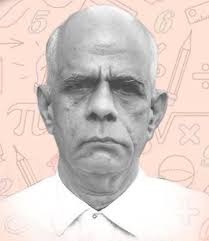
Mahadeva Iyer Ganapati (1903–1976), popularly known as M. Ganapati, was one of India’s most distinguished civil engineers and administrators. He played a leading role in building several landmark infrastructure projects during the early years of independent India. His work in railways, steel plants, ports, and bridges significantly contributed to India’s industrial growth and modernization. In recognition of his exceptional public service, he received the Padma Bhushan in 1954, one of India’s highest civilian honours.
Early Life
Very little information is publicly available about Mahadeva Iyer Ganapati’s childhood and family background. However, he was known for his exceptional technical skills and dedication, which helped him become one of India’s leading engineers during the mid-20th century.
Birth Date and Death
- Born: 1903
- Died: 1976
- Nationality: Indian
Education and Career
Although detailed records of his education are limited, Mahadeva Iyer Ganapati pursued engineering and joined government engineering services.
Throughout his career, he held several prestigious positions and supervised some of India’s largest engineering and infrastructure projects. He later became one of the country’s most respected engineering administrators and also served as the President of the Institution of Engineers (India) during 1973–1974.
Why Did He Receive the Padma Bhushan Award?
Mahadeva Iyer Ganapati received the Padma Bhushan in 1954, one of the inaugural years of the Padma Awards, for his outstanding contributions to engineering, civil service, and national infrastructure development.
At the time of the award, he was serving as the Development Commissioner of the Kandla Port Project, where he played a crucial role in developing one of India’s most important ports after Independence. His leadership in several major public infrastructure projects earned him national recognition.
Career and Achievements
Mahadeva Iyer Ganapati was associated with several iconic projects, including:
1. Rourkela Steel Plant
One of India’s first integrated steel plants, which played a vital role in industrialization.
2. Kandla Port
He was instrumental in the planning and development of Kandla Port, one of India’s major seaports.
3. Chittaranjan Locomotive Works
He contributed to the development of India’s largest electric locomotive manufacturing facility.
4. Integral Coach Factory, Perambur
He helped establish India’s premier railway coach manufacturing unit.
5. Churchgate Railway Station
He supervised important railway infrastructure projects on the Western Railway, including Mumbai’s Churchgate Station.
6. Malaviya Bridge, Varanasi
He played a key role in the construction and engineering of this important bridge over the Ganges.
7. Vivekananda Setu (Deputy Engineer)
He also contributed to this historic bridge connecting Kolkata and Howrah.
Field of Achievement
Mahadeva Iyer Ganapati made remarkable contributions in:
- Civil Engineering
- Railway Engineering
- Port Development
- Industrial Infrastructure
- Steel Plant Construction
- Public Administration
- National Development
Awards and Honours
His notable honours include:
- Railway Board Gold Medal (1950)
- Viceroy’s Prize from the Institution of Engineers (1953)
- Padma Bhushan (1954)
- President, Institution of Engineers (India) (1973–1974)
Interesting Facts
- He was among the first recipients of the Padma Bhushan when the Padma Awards were introduced in 1954.
- He worked on projects that transformed India’s transportation and industrial sectors.
- His engineering leadership spanned railways, ports, bridges, and steel plants.
- Several of the projects he supervised continue to serve millions of Indians today.
- He is remembered as one of India’s pioneering infrastructure engineers.
Legacy and Inspiration
Mahadeva Iyer Ganapati’s work laid the foundation for modern India’s infrastructure. His commitment to excellence and nation-building continues to inspire engineers, civil servants, and infrastructure planners. His career demonstrates how engineering can drive economic growth and improve people’s lives.
Contribution to the Nation
His contributions include:
- Strengthening India’s railway network.
- Supporting industrial development through the Rourkela Steel Plant.
- Developing Kandla Port to boost international trade.
- Improving transportation through major bridges and railway stations.
- Helping build manufacturing facilities that supported India’s self-reliance in rail transport.
- Contributing to post-independence nation-building through public infrastructure.
Conclusion
Mahadeva Iyer Ganapati was a visionary engineer whose work shaped modern India’s infrastructure during a critical period of national development. From ports and steel plants to railways and bridges, his contributions had a lasting impact on the country’s industrial and economic progress. His Padma Bhushan recognized not only his engineering excellence but also his dedication to public service. Today, he is remembered as one of the architects of India’s infrastructure legacy and an inspiration for future generations of engineers.
About the Author




