Krishnammal Jagannathan
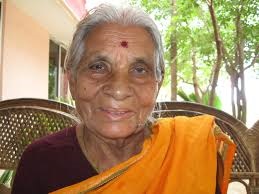
Krishnammal Jagannathan is one of Tamil Nadu’s most respected social reformers, freedom fighters, and Gandhian activists. Throughout her life, she has worked for the upliftment of landless laborers, Dalits, women, and rural communities. Along with her husband, Sankaralingam Jagannathan, she dedicated her life to social justice, land reforms, and rural development.
Early Life and Education
Krishnammal Jagannathan was born on 16 June 1926 in a poor Dalit family in the Dindigul region of Tamil Nadu. Growing up, she witnessed caste discrimination, poverty, and the hardships faced by agricultural laborers, especially women. These early experiences shaped her commitment to social justice. Despite financial difficulties, she pursued higher education and became one of the first women from her community to obtain a university degree.
Education & Skills
Krishnammal received a university education and later completed teacher training in Madras (now Chennai). Her education helped her develop leadership, organizational, and communication skills. She became deeply influenced by Gandhian principles such as non-violence, self-reliance, rural development, and social equality. Her ability to mobilize communities and negotiate land rights made her an effective grassroots leader.
Contribution to Tamil Literature
Krishnammal Jagannathan is not primarily known as a literary figure. However, her speeches, writings, interviews, and life story have significantly influenced Tamil social thought and reform literature. Her experiences and activism have been documented in books, articles, and research studies focusing on Gandhian philosophy, women’s empowerment, land reforms, and social justice in Tamil Nadu. Through these contributions, she has inspired generations of Tamil writers, activists, and social reformers.
Role in India’s Freedom Movement
Krishnammal actively participated in India’s struggle for independence and became associated with the Gandhian movement at a young age. She worked alongside prominent Gandhian leaders and participated in campaigns promoting non-violence and social equality. After independence, she continued to follow the ideals of Mahatma Gandhi and became closely associated with Vinoba Bhave. She played an important role in the Bhoodan and Gramdan movements, which sought voluntary land redistribution for the benefit of the poor.
Personal Life
Krishnammal married fellow Gandhian activist Sankaralingam Jagannathan in 1950. The couple dedicated their lives to serving marginalized communities and worked together for more than six decades. In 1981, they founded the organization Land for Tillers’ Freedom (LAFTI), which helped thousands of landless families acquire farmland. Their work focused on empowering rural women, promoting social equality, and protecting the rights of agricultural laborers.
One of the turning points in Krishnammal’s life was the Kilvenmani Massacre, which motivated her to intensify her efforts toward land reform and justice for Dalit communities.
Death
As of June 2026, Krishnammal Jagannathan is alive and continues to be recognized as one of India’s most respected social activists. She has received numerous honors, including the Right Livelihood Award and the Padma Bhushan, for her lifelong contribution to social justice and rural development. Her husband, Sankaralingam Jagannathan, passed away on 12 February 2013.
Legacy
Krishnammal Jagannathan’s legacy lies in her unwavering commitment to non-violence, social equality, women’s empowerment, and land rights. Through LAFTI and her decades of activism, she helped transform the lives of thousands of landless families in Tamil Nadu, making her a remarkable figure in modern Indian social history
Conclusion
Krishnammal Jagannathan stands as a symbol of courage, compassion, and social justice in India. From participating in the freedom movement to championing the rights of landless farmers, Dalits, and women, she dedicated her entire life to the welfare of marginalized communities. Guided by Gandhian principles of non-violence and equality, she helped bring meaningful social change through grassroots activism and land reform initiatives. Her lifelong commitment to humanity continues to inspire future generations, making her one of Tamil Nadu’s most influential social reformers and a lasting icon of service and empowerment.
About the Author