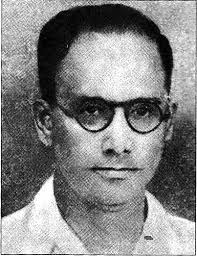
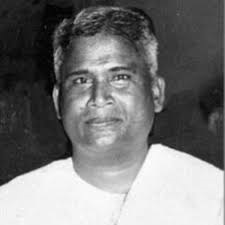
P. Kakkan was a renowned freedom fighter, social reformer, and politician from Tamil Nadu. Known for his simplicity, honesty, and dedication to public service, he played an important role in India’s independence movement and later served in several key positions in the government of Tamil Nadu. He is remembered as a leader who worked tirelessly for the welfare of marginalized communities and rural development.
Early Life and Education
P. Kakkan (Poosari Kakkan) was born on 18 June 1908 in Thumbaipatti village near Madurai in present-day Tamil Nadu. He was born into a humble family and experienced the social inequalities faced by disadvantaged communities during his childhood. Despite financial challenges, he pursued his education and developed a strong interest in social reform and nationalistic ideals.
From an early age, Kakkan was influenced by the teachings of Mahatma Gandhi and the growing freedom movement. His education helped shape his leadership qualities and commitment to serving society.
Education & Skills
Kakkan received his primary and secondary education in the Madurai region. Although opportunities for higher education were limited, he gained extensive knowledge through public service, political involvement, and social activism.
His key skills included:
- Leadership and public administration
- Community organization
- Social reform and rural development
- Public speaking and communication
- Advocacy for social equality and upliftment of marginalized communities
These abilities helped him become a respected leader in both the freedom movement and independent India.
Contribution to Tamil Literature
P. Kakkan was not primarily known as a literary figure. However, his speeches, public writings, and advocacy for education and social justice contributed to the development of social and political thought in Tamil society.
His life and work have been documented in numerous Tamil books, biographies, and articles. His commitment to equality, education, and public welfare has inspired writers, historians, and social commentators in Tamil Nadu.
Role in India’s Freedom Movement
Kakkan actively participated in India’s struggle for independence under the leadership of Mahatma Gandhi and the Indian National Congress. He took part in various campaigns against British rule and worked to mobilize people in rural Tamil Nadu to support the freedom movement.
He was involved in:
- Civil Disobedience activities
- Anti-colonial campaigns organized by the Congress
- Social reform movements promoting equality and upliftment of oppressed communities
- Gandhian constructive programs in villages
His participation in the freedom struggle led to periods of imprisonment by the British authorities. His dedication earned him recognition as one of Tamil Nadu’s notable freedom fighters.
Personal Life
Kakkan lived a simple and disciplined life guided by Gandhian values. Even after attaining high political office, he remained known for his humility, integrity, and lack of personal wealth.
After independence, he became an influential leader in Tamil Nadu politics and served as a minister in the state government. During his tenure, he worked in departments such as Home, Agriculture, Public Works, and Harijan Welfare. He focused on rural development, irrigation projects, education, and social welfare programs.
Despite holding powerful positions, Kakkan continued to live modestly and earned widespread respect for his honesty and commitment to public service.
Death
P. Kakkan passed away on 23 December 1981 at the age of 73. His death marked the loss of one of Tamil Nadu’s most respected political leaders and freedom fighters.
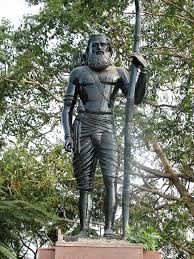
He is remembered for his integrity, selfless service, and unwavering dedication to the welfare of the people. Memorials, statues, and public institutions in Tamil Nadu continue to honor his contributions to society and the nation.
Conclusion
P. Kakkan remains an enduring symbol of honesty, simplicity, and public service. His contributions to India’s freedom movement, social reform, and the development of Tamil Nadu have left a lasting impact on society. Through his dedication to equality, rural welfare, and ethical leadership, Kakkan continues to inspire future generations and holds a respected place in the history of modern Tamil Nadu.
About the Author