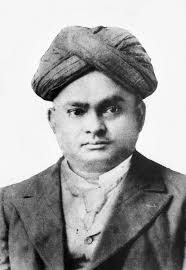
G.Subramania Iyer was a pioneering Indian journalist, social reformer, nationalist leader, and freedom fighter. He is best remembered as the founder of the English newspaper The Hindu and the Tamil newspaper Swadesamitran. Through his writings and public activities, he played a significant role in shaping political awareness and social reform in South India.
Early Life and Education
G.Subramania Iyer was born on 19 January 1855 in Tiruvadi, in the Thanjavur district of the Madras Presidency. His father, Ganapathi Dikshitar, worked as a pleader in the local court. From an early age, Subramania Iyer showed a strong interest in education and public affairs. He completed his schooling at St. Peter’s College in Thanjavur and later pursued higher studies, passing his Arts examinations with merit. He also completed teacher training in Madras between 1874 and 1875.
Education & Skills
Subramania Iyer began his career as a teacher and later became a headmaster. He possessed exceptional skills in journalism, writing, public speaking, and administration. His command of both English and Tamil enabled him to communicate effectively with educated elites as well as the general public. His sharp analytical ability and persuasive writing style made him one of the most influential journalists of his time.
Contribution to Tamil Literature
One of Subramania Iyer’s greatest contributions to Tamil society was the establishment of the Tamil newspaper Swadesamitran in 1882. The newspaper became a powerful platform for spreading nationalist ideas, social reform messages, and political awareness among Tamil-speaking people. It helped modernize Tamil journalism and encouraged the growth of Tamil prose writing. He also promoted the work of young Tamil writers, including Subramania Bharati, who later became one of Tamil literature’s greatest poets.
Role in India’s Freedom Movement
G. Subramania Iyer was an active participant in the Indian nationalist movement. He was among the delegates who attended the founding session of the Indian National Congress in 1885. Through The Hindu and Swadesamitran, he strongly criticized British colonial policies and advocated political rights for Indians. His editorials encouraged public debate, national consciousness, and resistance to imperial rule. His fearless writings often brought him into conflict with British authorities and led to legal challenges and financial difficulties.
Personal Life
Apart from his political activities, Subramania Iyer was a dedicated social reformer. He opposed child marriage, supported widow remarriage, and campaigned against caste discrimination and untouchability. Demonstrating his commitment to reform, he arranged the remarriage of his widowed daughter, an action considered highly controversial in the conservative society of the time. His life reflected his belief that social progress was essential for national advancement.
Death
In his later years, Subramania Iyer focused primarily on Swadesamitran and continued advocating for social and political reform. Years of public struggle and persecution affected his health. He suffered from leprosy and passed away on 18 April 1916 at the age of 61. Despite his death, his contributions to journalism, Tamil society, and the Indian freedom movement continue to be remembered and celebrated.
Legacy
G. Subramania Iyer is widely regarded as one of the fathers of modern Indian journalism. By founding The Hindu and Swadesamitran, he created institutions that influenced generations of readers and nationalists. His commitment to press freedom, social reform, and Indian self-rule made him one of the most important public figures of late nineteenth- and early twentieth-century South India.
Conclusion
G. Subramania Iyer combined the roles of journalist, social reformer, and freedom fighter with remarkable dedication. His newspapers became powerful voices for nationalism and reform, while his personal actions demonstrated courage in challenging social injustice. His legacy remains an important chapter in the history of Tamil Nadu, Indian journalism, and India’s struggle for independence.
About the Author