Early Life and Education
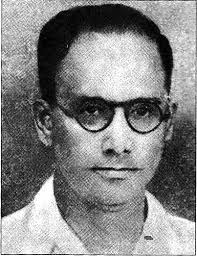
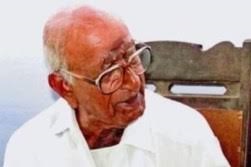
G. S. Lakshman Iyer (also known as G. S. Lakshmanan Iyer) was born in 1918 in Gobichettipalayam. He grew up in a family deeply involved in public service and the Indian nationalist movement. Inspired by the struggle against British rule from a young age, he developed a strong commitment to social justice and national freedom.
Education & Skills
Although detailed records of his formal education are limited, Lakshman Iyer was known for his leadership abilities, organizational skills, and dedication to public welfare. He possessed a deep understanding of social issues and worked tirelessly to improve the lives of marginalized communities. His ability to mobilize people and lead reform initiatives made him a respected figure in Tamil Nadu.
Contribution to Tamil Literature
Unlike many freedom fighters who were primarily writers or poets, Lakshman Iyer’s contributions were focused more on social reform and public service than on literary production. However, his life and achievements have been documented in articles, biographies, and the documentary Oyamari, helping preserve his legacy in Tamil social history.
Role in India’s Freedom Movement
Lakshman Iyer actively participated in India’s struggle for independence and was imprisoned for more than five years by British authorities because of his involvement in the freedom movement. He also encouraged his wife to participate in the Satyagraha movement, and she too faced imprisonment. His sacrifices reflected his unwavering commitment to India’s independence.
Social Reform and Public Service
After independence, Lakshman Iyer devoted his life to uplifting oppressed communities, especially Dalits. He donated large portions of his land and wealth to provide housing and better living conditions for disadvantaged people. As chairman of the Gobichettipalayam Municipality (1952–1955 and 1986–1991), he introduced progressive reforms. During his tenure, Gobichettipalayam became one of the first municipalities in India to eliminate the practice of manual scavenging. He also worked to free poor families from debt and improve sanitation and housing facilities.
Personal Life
Lakshman Iyer believed in equality and social justice. His wife actively supported his ideals and participated alongside him in nationalist activities. Together, they demonstrated a commitment to both political freedom and social reform. Much of his personal wealth was dedicated to helping underprivileged communities rather than personal gain.
Death
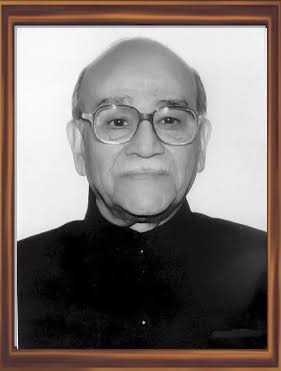
G. S. Lakshman Iyer passed away on 2 January 2011 at the age of 93 after a prolonged illness. Thousands of people attended his funeral to pay tribute to a leader remembered for his contributions to both India’s freedom struggle and social justice.
Legacy and Recognition
Lakshman Iyer is remembered as one of Tamil Nadu’s notable freedom fighters and social reformers. A documentary titled Oyamari was produced about his life, and in 2018 a statue was unveiled in his honor in Gobichettipalayam. His efforts to eradicate caste-based discrimination and improve the lives of marginalized communities continue to inspire social activists today.
Conclusion
G. S. Lakshman Iyer’s life combined patriotism, sacrifice, and social reform. His role in India’s independence movement, along with his dedication to the welfare of oppressed communities, makes him an important figure in the history of Tamil Nadu and modern India. His legacy stands as an example of how political freedom and social equality can be pursued together.
About the Author