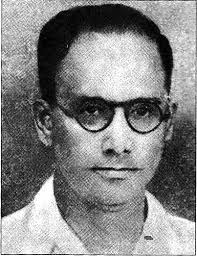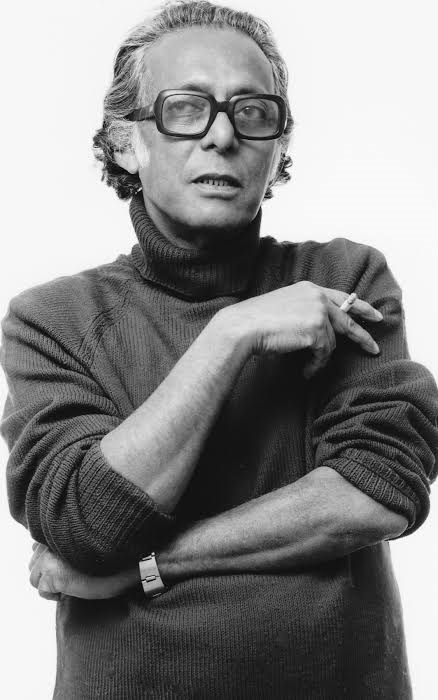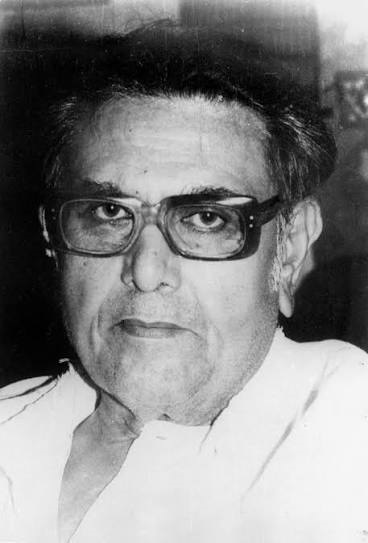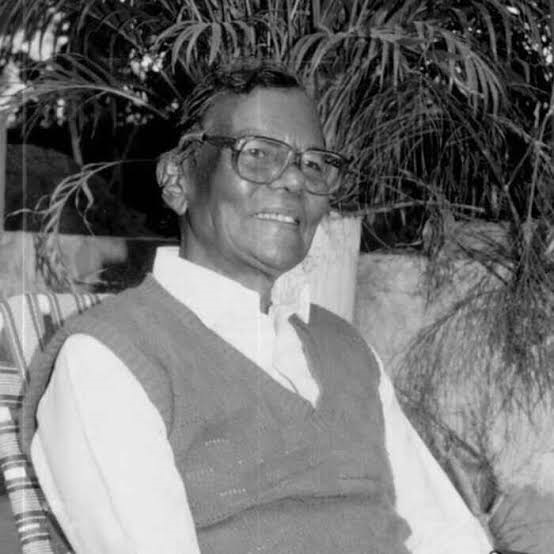
F. G.Natesa Iyer (11 November 1880 – 23 January 1963) was a prominent freedom fighter, social activist, theatre personality, and patron of Tamil arts. He played an important role in India’s freedom movement through the Indian National Congress while simultaneously contributing to the growth of modern Tamil drama and early Tamil cinema. He is best remembered as the founder of the Rasika Ranjana Sabha in Tiruchirappalli and for nurturing several legendary artists.
Early Life and Education
F. G. Natesa Iyer was born on 11 November 1880 in Pudukkottai to Janaki Ammaiyar and Gangadhara Shastri, who served as a legal adviser in the princely state of Pudukkottai. He grew up in a family that valued education, culture, and public service. His early upbringing exposed him to both traditional Indian values and modern education, shaping his future interests in public affairs and the arts.
Education & Skills
Natesa Iyer received a sound education and developed strong administrative and organizational abilities. He joined the South Indian Railway Company, where he built a successful professional career. Through dedication and competence, he became the first Indian to be appointed District Traffic Superintendent in 1935, a significant achievement during the colonial era. His leadership, communication skills, and management expertise later proved valuable in both political and cultural activities.
Contribution to Tamil Literature
Although not primarily known as a literary writer, Natesa Iyer made substantial contributions to Tamil cultural development through theatre and artistic promotion. He was among the pioneers of modern Tamil drama and helped transform traditional folk performances into organized stage productions. His efforts created opportunities for Tamil language dramas to reach wider audiences and contributed to the growth of Tamil cultural expression.
He also encouraged and promoted many talented performers who later became icons of Tamil culture and Carnatic music. His support helped shape the careers of artists such as M. K. Thyagaraja Bhagavathar, K. B. Sundarambal, and M. S. Subbulakshmi.
Role in India’s Freedom Movement
Natesa Iyer was an active member of the Indian National Congress and participated in the Indian independence movement. He joined the Congress in 1914 and represented Tiruchirappalli at several important Congress sessions, including those held in Bombay, Lucknow, and Madras. He became a member of the All-India Congress Committee and supported resolutions aimed at improving the rights and welfare of Indians under British rule.
His involvement reflected his commitment to national service and social reform. Through political activism and public engagement, he contributed to the broader struggle for Indian independence.
Personal Life
Alongside his professional and political commitments, Natesa Iyer devoted much of his life to promoting arts and culture. He founded the Rasika Ranjana Sabha in Tiruchirappalli, which became an influential institution for drama and music. His passion for discovering and nurturing talent earned him widespread respect among artists and audiences.
He was known for his patriotism, public spirit, and dedication to preserving and advancing Tamil cultural traditions.
Death
F. G. Natesa Iyer passed away on 23 January 1963 in Bhopal, Madhya Pradesh, at the age of 82. His legacy continues through the institutions he established, the artists he mentored, and his contributions to both India’s freedom movement and Tamil cultural history.
Conclusion
F. G. Natesa Iyer occupies a unique place in Tamil Nadu’s history as a freedom fighter, cultural reformer, theatre pioneer, and patron of the arts. His contributions extended beyond politics into the fields of drama, music, and public service. By nurturing generations of performers and participating in the national movement for independence, he left a lasting impact on both Indian society and Tamil culture.
About the Author