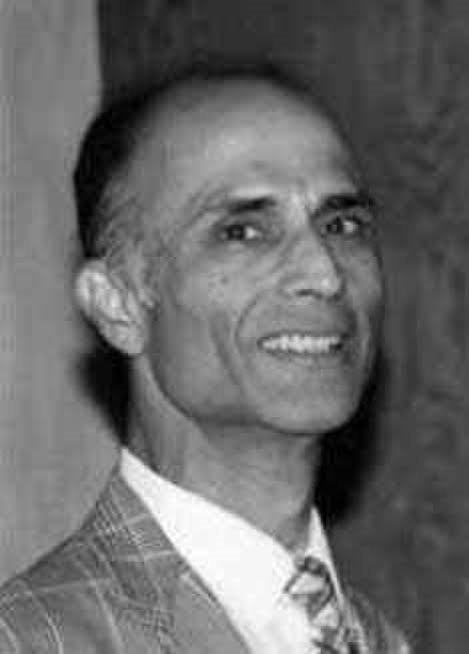
Introduction
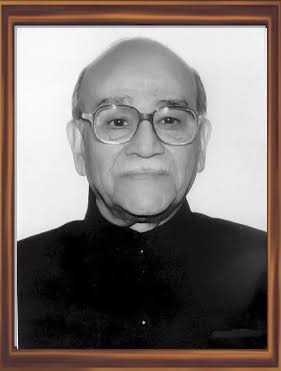
Harish Chandra Sarin was an eminent Indian civil servant, defence administrator, and public servant known for his exceptional contributions to India’s defence management and government administration. Throughout his distinguished career in the Indian Civil Service (ICS), he held several key positions in the Government of India and played an important role in strengthening the country’s defence policies and administrative systems. In recognition of his outstanding public service, he was awarded the prestigious Padma Vibhushan in 1976.
Early Life
Harish Chandra Sarin was born into a family that valued education, discipline, and public service. From a young age, he demonstrated academic excellence and leadership qualities. His interest in administration and governance motivated him to pursue a career in the civil services during British India.
His dedication and integrity later made him one of India’s most respected administrators.
Birth Date and Death
- Date of Birth: 27 May 1914
- Place of Birth: Punjab, British India (now in Pakistan)
- Date of Death: 6 June 1997
- Age at Death: 83 years
Education and Career
Harish Chandra Sarin completed his higher education before joining the prestigious Indian Civil Service (ICS), one of the most competitive civil services of its time.
Following India’s independence, he continued serving the nation in senior administrative positions. His expertise in governance, defence administration, and public policy led to several important appointments.
His distinguished career included:
- Officer in the Indian Civil Service (ICS)
- Senior official in the Government of India
- Defence Secretary of India
- Chairman of the Oil and Natural Gas Commission (ONGC)
- Chairman of several government committees on defence and public administration
Throughout his career, he was known for his efficiency, integrity, and commitment to national service.
Career and Achievements
Harish Chandra Sarin made significant contributions to India’s public administration and defence sector.
Some of his major achievements include:
- Served as the Defence Secretary of India, overseeing key aspects of defence administration.
- Helped modernize defence management and administrative procedures.
- Played an important role in coordinating defence policies during challenging periods.
- Led the Oil and Natural Gas Commission (ONGC), contributing to India’s energy sector.
- Served on several national committees dealing with defence reforms and governance.
- Earned widespread respect for his administrative leadership and public service.
His work strengthened India’s administrative and defence institutions.
Why Did He Receive the Padma Vibhushan Award?
Harish Chandra Sarin received the Padma Vibhushan in 1976 for his exceptional and distinguished service in Civil Service and Public Affairs.
The Government of India honored him because:
- He made outstanding contributions to India’s defence administration.
- He served with distinction as Defence Secretary.
- He strengthened governance and public administration.
- He contributed to national security through effective administrative leadership.
- He dedicated decades of his life to serving the nation with integrity and excellence.
His leadership had a lasting impact on India’s defence and administrative systems.
Field of Achievement
Harish Chandra Sarin excelled in several fields, including:
- Civil Service
- Public Administration
- Defence Administration
- Government Policy
- National Security
- Energy Administration
He is remembered as one of India’s most accomplished civil servants.
Awards and Honours
Harish Chandra Sarin received several honours during his lifetime, including:
- Padma Vibhushan (1976)
- Recognition for distinguished service in the Indian Civil Service.
- Appointment to some of the highest administrative positions in the Government of India.
- National respect for his contributions to defence and governance.
Interesting Facts
- He belonged to the prestigious Indian Civil Service (ICS) before India’s independence.
- He served as Defence Secretary, one of the highest bureaucratic positions in the Ministry of Defence.
- He later became Chairman of ONGC, helping strengthen India’s energy sector.
- He was known for his honesty, discipline, and administrative excellence.
- He chaired several important government committees related to defence reforms.
- His career spanned both the colonial and post-independence periods, giving him a unique perspective on governance.
Legacy and Inspiration
Harish Chandra Sarin left behind a legacy of dedicated public service, efficient governance, and administrative excellence. His work in defence administration helped strengthen India’s institutional capacity during a crucial period of nation-building.
He continues to inspire:
- Civil servants
- Defence administrators
- Public policy professionals
- Government officials
- Students preparing for civil services
His career demonstrates the importance of integrity, professionalism, and commitment to public welfare.
Contribution to the Nation
Harish Chandra Sarin made valuable contributions to India’s development through his leadership in government administration and defence.
His contributions include:
- Strengthening India’s defence administration.
- Improving coordination and efficiency within government institutions.
- Supporting national security through effective policy implementation.
- Contributing to the growth of India’s energy sector through ONGC.
- Promoting high standards of integrity and professionalism in the civil services.
His service helped build stronger institutions that continue to support India’s progress.
Conclusion
Harish Chandra Sarin was one of India’s most distinguished civil servants and defence administrators. His remarkable career in the Indian Civil Service, leadership as Defence Secretary, and contributions to public administration and national security earned him the Padma Vibhushan in 1976. His lifelong dedication to efficient governance, integrity, and nation-building continues to inspire civil servants and policymakers across India. His legacy remains a shining example of selfless public service and administrative excellenc
About the Author