

Introduction
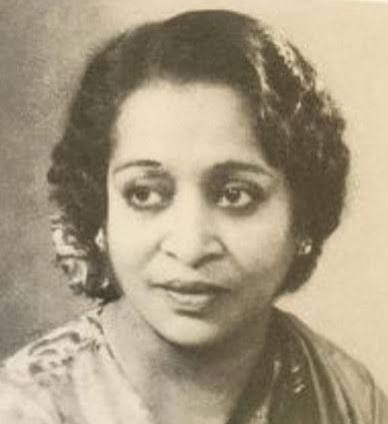
Padmaja Naidu (17 November 1900 – 2 May 1975) was a prominent Indian freedom fighter, politician, and social worker who played a significant role in India’s struggle for independence and in the nation’s development after Independence. The daughter of the renowned poet and freedom fighter Sarojini Naidu, Padmaja Naidu carried forward her family’s legacy of public service. She is best remembered for her active participation in the Indian freedom movement, her humanitarian work during national crises, and her long tenure as the Governor of West Bengal, making her one of India’s most respected women leaders.
Why Did Padmaja Naidu Receive the Padma Vibhushan Award?
Padmaja Naidu was awarded the Padma Vibhushan in 1962 for her exceptional service in public affairs. The award recognized her:
- Outstanding contribution to India’s freedom movement.
- Dedicated service as the Governor of West Bengal from 1956 to 1967.
- Humanitarian work during the Partition of India and refugee rehabilitation.
- Lifelong commitment to social welfare, women’s empowerment, and national development.
- Distinguished leadership in public administration and public service.
Career and Achievements
Padmaja Naidu devoted her life to public service, politics, and humanitarian causes.
Some of her major achievements include:
- Actively participated in the Indian freedom movement.
- Imprisoned during the Quit India Movement (1942) for participating in the struggle against British rule.
- Worked extensively for the rehabilitation of refugees after the Partition of India in 1947.
- Served as the Governor of West Bengal for more than a decade (1956–1967), becoming one of the state’s longest-serving governors.
- Supported numerous educational, healthcare, and social welfare initiatives.
- Promoted women’s participation in public life and national service.
Early Life
Padmaja Naidu was born on 17 November 1900 in Hyderabad, India. She was the daughter of Sarojini Naidu, one of India’s most celebrated freedom fighters and the first woman to become the President of the Indian National Congress. Growing up in a family deeply involved in the national movement inspired Padmaja to dedicate her life to India’s freedom and social progress.
Education and Career
Education
Padmaja Naidu received her education in Hyderabad and developed a keen interest in literature, politics, and social service from an early age. Rather than pursuing a conventional professional career, she chose to devote herself to the national movement and humanitarian work.
Professional Career
- Joined the Indian National Congress during the freedom struggle.
- Organized political campaigns and social welfare activities.
- Worked for refugee relief and rehabilitation after Independence.
- Appointed Governor of West Bengal in 1956.
- Continued supporting charitable organizations, educational institutions, and healthcare initiatives throughout her public life.
Field of Achievement
Padmaja Naidu made remarkable contributions in several fields:
- Freedom Movement
- Politics
- Public Administration
- Social Service
- Women’s Empowerment
- Humanitarian Relief
- Public Affairs
Her work reflected a lifelong commitment to justice, equality, and national development.
Awards and Honours
- Padma Vibhushan (1962) – Awarded for exceptional service in public affairs.
- Widely honored for her contributions to India’s freedom movement and public administration.
- Remembered as one of India’s pioneering women political leaders and social reformers.
Interesting Facts
- Padmaja Naidu was the daughter of Sarojini Naidu, popularly known as the “Nightingale of India.”
- She was imprisoned during the Quit India Movement for her participation in the struggle for independence.
- She served as the Governor of West Bengal for over 11 years, one of the longest tenures for the office.
- She played a major role in refugee rehabilitation following the Partition of India.
- She maintained a close association with many of India’s leading freedom fighters, including Jawaharlal Nehru.
- She dedicated much of her life to charitable and humanitarian causes.
Legacy and Inspiration
Padmaja Naidu’s legacy is one of courage, compassion, and dedicated public service. Her contributions to India’s freedom struggle, humanitarian relief efforts, and constitutional governance continue to inspire women leaders, social workers, and public servants. She demonstrated that leadership is not only about holding office but also about serving society with empathy and integrity.
Contribution to the Nation
Padmaja Naidu made several lasting contributions to India, including:
- Participating actively in the Indian freedom movement.
- Supporting the Quit India Movement and enduring imprisonment for the cause of independence.
- Leading refugee relief and rehabilitation efforts after Partition.
- Providing stable and effective leadership as the Governor of West Bengal.
- Promoting women’s participation in public life and social service.
- Supporting education, healthcare, and welfare initiatives across the country.
- Strengthening democratic governance through dedicated public service.
Conclusion
Padmaja Naidu was a distinguished freedom fighter, humanitarian, and stateswoman whose life was devoted to serving India. From participating in the struggle for independence to providing compassionate leadership as the Governor of West Bengal, she made enduring contributions to the nation’s development. Her commitment to social justice, public welfare, and women’s empowerment earned her the Padma Vibhushan in 1962. Today, her legacy continues to inspire generations of Indians to lead with courage, compassion, and a spirit of selfless service.
About the Author




