Introduction
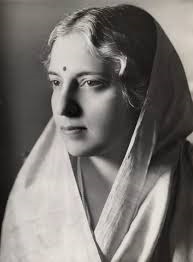
Vijaya Lakshmi Pandit (18 August 1900 – 1 December 1990) was one of India’s most distinguished diplomats, freedom fighters, and political leaders. She played a pioneering role in representing independent India on the global stage and became the first woman President of the United Nations General Assembly. As the sister of Jawaharlal Nehru, she grew up in a politically active family, but established her own remarkable legacy through diplomacy, public service, and advocacy for peace, equality, and international cooperation.
Why Did Vijaya Lakshmi Pandit Receive the Padma Vibhushan Award?
Vijaya Lakshmi Pandit was awarded the Padma Vibhushan in 1962 for her exceptional contributions to public affairs and diplomacy. The award recognized her:
- Outstanding service to India’s freedom movement.
- Distinguished diplomatic career representing India internationally.
- Historic achievement as the first woman President of the United Nations General Assembly in 1953.
- Contributions to strengthening India’s foreign relations after Independence.
- Lifelong dedication to democracy, peace, women’s empowerment, and public service.
Career and Achievements
Vijaya Lakshmi Pandit had a remarkable career in politics and diplomacy.
Some of her major achievements include:
- Participated actively in the Indian freedom movement and was imprisoned several times by the British authorities.
- Became the first Indian woman to hold a cabinet minister’s position, serving as the Minister for Local Self-Government and Public Health in the United Provinces in 1937.
- Served as India’s Ambassador to the Soviet Union, the United States, Mexico, Ireland, and Spain.
- Led India’s delegations to the United Nations on several occasions.
- Became the first woman President of the United Nations General Assembly in 1953.
- Served as the Governor of Maharashtra from 1962 to 1964.
- Was elected to the Lok Sabha and continued contributing to Indian public life.
Early Life
Vijaya Lakshmi Pandit was born on 18 August 1900 in Allahabad (now Prayagraj), Uttar Pradesh, into the prominent Nehru family. She was the daughter of Motilal Nehru and the sister of Jawaharlal Nehru. Growing up in a family deeply involved in India’s struggle for independence inspired her lifelong commitment to public service and national development.
Education and Career
Education
Unlike many leaders of her time, Vijaya Lakshmi Pandit was educated primarily at home by private tutors. She received a broad education in literature, history, politics, and languages, which prepared her for leadership in public life and diplomacy.
Professional Career
- Joined the Indian National Congress and participated in the freedom movement.
- Served as a cabinet minister in the United Provinces government.
- Imprisoned multiple times for her role in the independence movement.
- Represented India as Ambassador to several major countries.
- Became President of the United Nations General Assembly.
- Served as Governor of Maharashtra and later as a Member of Parliament.
Field of Achievement
Vijaya Lakshmi Pandit made significant contributions in the following fields:
- Diplomacy
- Politics
- International Relations
- Freedom Movement
- Public Administration
- Women’s Leadership
- Public Affairs
Her achievements opened new opportunities for women in leadership and international diplomacy.
Awards and Honours
- Padma Vibhushan (1962) – Awarded for exceptional service in public affairs.
- President of the United Nations General Assembly (1953) – The first woman to hold this prestigious office.
- Received honorary doctorates and international recognition from several universities and organizations.
- Honored worldwide for her contributions to diplomacy and peace.
Interesting Facts
- Vijaya Lakshmi Pandit was the first woman President of the United Nations General Assembly.
- She was the first Indian woman to serve as a cabinet minister.
- She was imprisoned several times during India’s freedom struggle.
- She represented India as Ambassador to some of the world’s most influential countries.
- She was the sister of Jawaharlal Nehru but earned international recognition through her own accomplishments.
- She strongly advocated for peace, human rights, and gender equality throughout her life.
Legacy and Inspiration
Vijaya Lakshmi Pandit’s legacy is one of courage, diplomacy, and pioneering leadership. She broke barriers for women in politics and international relations, proving that women could excel in the highest positions of global governance. Her dedication to democracy, international cooperation, and women’s empowerment continues to inspire diplomats, political leaders, and young women around the world.
Contribution to the Nation
Vijaya Lakshmi Pandit made lasting contributions to India by:
- Participating actively in the freedom movement against British rule.
- Representing India with distinction in major international organizations.
- Strengthening India’s diplomatic relations with countries around the world.
- Promoting India’s interests at the United Nations.
- Advancing women’s leadership in politics and public administration.
- Supporting democratic values and international peace.
- Serving the nation through political leadership, diplomacy, and governance.
Conclusion
Vijaya Lakshmi Pandit was one of India’s greatest diplomats and most influential women leaders. Her remarkable journey from freedom fighter to international stateswoman reflects her unwavering dedication to public service, diplomacy, and the ideals of democracy. As the first woman to preside over the United Nations General Assembly, she brought global recognition to India and paved the way for future generations of women leaders. Awarded the Padma Vibhushan in 1962, her legacy continues to inspire people across the world to lead with courage, integrity, and a commitment to peace and international cooperation.
About the Author