Introduction
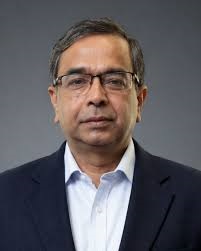
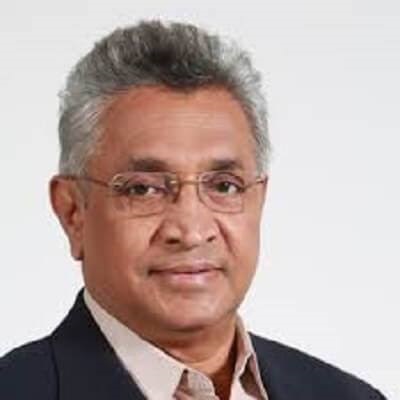
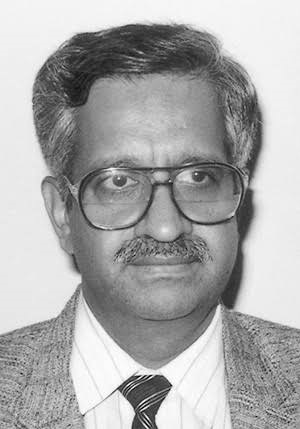
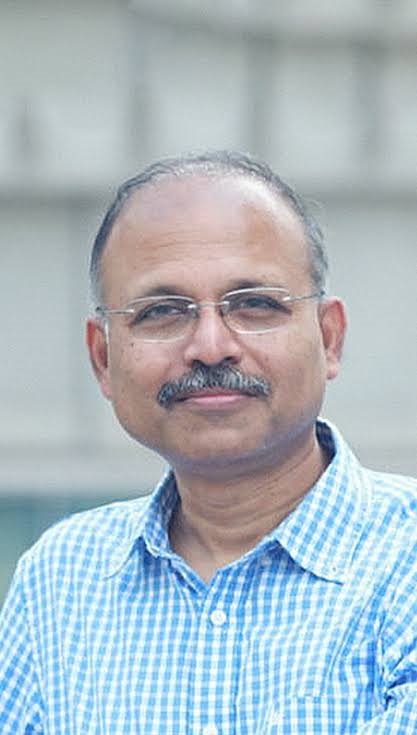
K. Balasubramaniam (often cited as K. Balasubramaniam) is a distinguished Indian engineer and researcher renowned for his pioneering work in Non-Destructive Evaluation (NDE), ultrasonic testing, structural health monitoring (SHM), and guided wave technology. His research has transformed the inspection and monitoring of critical engineering structures, improving the safety and reliability of aircraft, pipelines, bridges, nuclear power plants, and other industrial systems. He is widely recognized as one of India’s leading experts in nondestructive testing and engineering diagnostics.
Early Life and Education
K. Balasubramaniam developed an early interest in science, mathematics, and engineering. He pursued higher education in mechanical engineering before specializing in nondestructive evaluation and ultrasonic inspection technologies.
His academic qualifications include:
- Bachelor’s degree in Mechanical Engineering from Indian Institute of Technology Madras.
- Master’s degree in Mechanical Engineering from Indian Institute of Technology Madras.
- Ph.D. in Engineering, focusing on ultrasonic nondestructive evaluation and materials characterization.
His education laid the foundation for a distinguished career in engineering research and innovation.
Birth Date and Place
- Date of Birth: Publicly available sources do not provide his exact birth date.
- Place of Birth: India (the exact city or state has not been widely published).
K. Balasubramaniam has maintained a private personal life, and reliable public records do not disclose detailed birth information.
Scientific Career & Research
K. Balasubramaniam has spent much of his career at Indian Institute of Technology Madras, where he has served as a Professor in the Department of Mechanical Engineering and founded the Centre for Nondestructive Evaluation (CNDE).
His major research areas include:
- Non-Destructive Evaluation (NDE)
- Ultrasonic Testing
- Guided Wave Inspection
- Structural Health Monitoring (SHM)
- Acoustics
- Sensor Technology
- Materials Characterization
- Damage Detection
- Signal Processing
- Condition Monitoring
His work combines advanced sensing technologies, computational methods, and engineering principles to detect flaws in materials and structures without causing damage.
Major Discoveries and Contributions
Although K. Balasubramaniam is not associated with a single invention, his research has led to several important advances in nondestructive evaluation.
1. Guided Ultrasonic Wave Technology
He developed advanced guided wave techniques capable of inspecting long sections of pipelines, rails, aircraft structures, and other components from a single inspection point. This technology enables early detection of corrosion, cracks, and other defects while reducing inspection time and cost.
2. Structural Health Monitoring
His research has advanced systems that continuously monitor the condition of engineering structures using embedded sensors. These systems provide real-time information about structural integrity and help prevent catastrophic failures.
3. Advanced Ultrasonic Imaging
He contributed to high-resolution ultrasonic imaging methods that improve the detection and characterization of internal defects in metals, composites, and other engineering materials.
4. Smart Sensor Development
K. Balasubramaniam has worked on developing innovative sensors and diagnostic tools for industries such as aerospace, nuclear energy, transportation, and civil engineering.
5. Industrial Applications
His research has been applied to:
- Aircraft inspection
- Nuclear reactor components
- Oil and gas pipelines
- Railway infrastructure
- Wind turbines
- Bridges
- Power plants
These technologies have improved maintenance practices and operational safety across multiple sectors.
Awards and Honours
K. Balasubramaniam has received several prestigious awards and recognitions for his contributions to engineering and nondestructive evaluation.
Some of his notable honours include:
- Shanti Swarup Bhatnagar Prize for Science and Technology
- Indian National Academy of Engineering Fellow
- Indian Academy of Sciences Fellow
- Indian National Science Academy Fellow
- Distinguished researcher awards from professional engineering organizations
- Recognition for excellence in ultrasonic testing and structural health monitoring
These honours acknowledge his outstanding scientific achievements and technological innovations.
Later Life
K. Balasubramaniam is alive and continues to contribute to engineering research, higher education, and technology development. He remains active in mentoring students, collaborating with industry, publishing research papers, and promoting innovation in nondestructive evaluation and structural health monitoring.
Death: As of the latest available information, K. Balasubramaniam is living; therefore, there is no death date.
Legacy and Impact
K. Balasubramaniam’s work has had a profound influence on engineering safety and inspection technologies.
His legacy includes:
- Advancing nondestructive evaluation techniques used worldwide.
- Developing guided wave inspection methods for large engineering structures.
- Strengthening India’s research leadership in structural health monitoring.
- Improving the safety of aerospace, nuclear, transportation, and energy systems.
- Training generations of engineers and researchers.
- Promoting collaboration between academia, industry, and government research organizations.
His innovations continue to shape modern inspection systems and predictive maintenance technologies.
Conclusion
K. Balasubramaniam is one of India’s foremost experts in non-destructive evaluation and structural health monitoring. Through pioneering research in ultrasonic testing, guided wave technology, and advanced sensing systems, he has greatly improved the inspection and safety of critical engineering infrastructure. His scientific achievements, leadership, and commitment to education have made a lasting impact on materials engineering and nondestructive testing, inspiring future generations of researchers and engineers.
About the Author