

1. Introduction
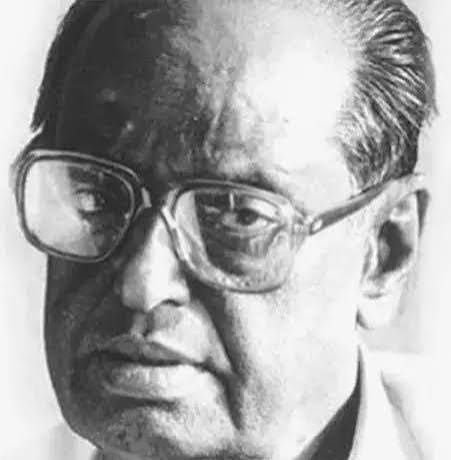
Dominic Chacko Kizhakemuri—affectionately known as D.C.—was a titan in Kerala’s cultural, literary, and political landscape. As a fearless freedom fighter, brilliant satirist, social activist, and the visionary founder of DC Books and the National Book Stall (NBS), he revolutionized how literature was produced, marketed, and consumed in South India. His lifelong dedication to empowering authors and bringing books closer to the common masses earned him a revered spot in modern Indian publishing history.
2. Quick Facts
- Full Name: Dominic Chacko Kizhakemuri
- Native Name: ഡൊമിനിക് ചാക്കോ കിഴക്കേമുറി (Malayalam)
- Date of Birth: January 12, 1914
- Place of Birth: Kanjirappally, erstwhile Kingdom of Travancore (present-day Kottayam district, Kerala, India)
- Nationality: Indian
- Occupation / Profession: Writer, Journalist, Activist, Freedom Fighter, and Book Publisher
- Field of Achievement: Publishing Industry, Literature, Social Activism, and Cooperative Movement
- Years Active: 1930s – 1999
3. Award Information (Focus on Padma Bhushan)
- Award Name: Padma Bhushan
- Award Category: India’s Third-Highest Civilian Award
- Award Year: 1999 (Announced posthumously on Republic Day, January 26, 1999—the day he passed away)
- Presented By: K. R. Narayanan (President of India) — Received on his behalf by his wife, Smt. Ponnamma DC, on March 23, 1999.
- Date of Ceremony: March 23, 1999
- Citation/Official Reason: In recognition of his exceptional and distinguished service to literature, education, and the publishing industry.
- Previous Recipients (Notable): Eminent figures in literature, science, and public service.
- Next Recipients: Co-recipients of the 1999 Padma Bhushan honors.
4. Why Did He Receive the Award?
D. C. Kizhakemuri was honored with the Padma Bhushan for his monumental role in transforming Malayalam publishing into a mass movement. By establishing cooperative models for writers (such as SPCS) and building a massive distribution network through the National Book Stall, he ensured that literature reached every corner of Kerala while safeguarding writers’ financial security. His courageous activism during the freedom struggle and sharp social critiques through his famous journalistic columns further cemented his legacy as a true patriot and cultural architect.
5. Early Life
Born into a Christian family to Chacko and Mumnayat Eliyamma in Kanjirappally, D.C. grew up during an era of active nationalist movements. He began working early, starting his professional life as a school teacher at just 16 years of age. Because of his diminutive stature and young age, his students and locals affectionately called him “Kochusaar” (the little teacher). His exposure to rural society and grass-roots education shaped his deep empathy for the common people and ignited his passion for social justice.
6. Education
- Schooling: Completed his early schooling and Secondary School Learning Certificate (SSLC) locally.
- Teacher Training: Passed the Teachers’ Training Certificate (TTC) from Changanassery.
- Professional Foundation: Though formal institutional degrees were limited, his self-taught proficiency in literature, world history, politics, and economics made him an intellectual powerhouse.
7. Career Journey
- 1930 – 1942: Worked as a dedicated school teacher for 12 years while actively joining the Indian National Congress (INC) to participate in the freedom movement.
- 1945: Resigned from teaching to briefly try farming before plunging headfirst into the publishing world upon an invitation by writer Ponkunnam Varkey. Co-founded the National Book Stall (NBS) in Kottayam.
- 1946 – 1948: Imprisoned as a political detinue for his active role in the freedom struggle.
- 1945 Onwards: Authored the famous satirical political column “Karuppum Veluppum” (Black and White) across several leading Malayalam newspapers like Mathrubhumi, Pauraprabha, and Keralabhooshanam.
- 1974: Founded DC Books, turning it into one of India’s premier publishing houses.
8. Major Achievements
- Pioneering Co-operative Publishing: Co-founded the Sahithya Pravarthaka Co-operative Society (SPCS)—the first writers’ cooperative of its kind in Asia—which ensured writers received fair royalties and steady incomes.
- The National Book Stall (NBS): Built NBS into an expansive retail network that made books accessible across rural and urban Kerala alike.
- Literary Journalism: Established himself as Kerala’s first true political columnist through his incisive, humorous, and fearless critiques of governance.
- Technological Innovation: Brought state-of-the-art developments to regional printing, including pioneering desktop publishing (DTP) for Malayalam in the late 1980s.
9. Contribution to the Nation
D.C. Kizhakemuri bridged the gap between high literature and rural literacy. Before his interventions, publishing in regional languages was unorganized and authors often faced heavy exploitation. By creating structured royalty systems, standardizing pricing, and encouraging heavy readership, he built a reading culture in Kerala that boasts one of the highest literacy and book-consumption rates in India. He also championed freedom fighters’ welfare later in life as the President of the Kerala State Freedom Fighters Association.
10. Other Awards and Honours
- Padma Bhushan (1999)
- Distinguished Publisher of the Year Award by the Federation of Indian Publishers (FIP, 1996)
- Veteran Publisher Award by the Booksellers and Publishers Association of South India (BAPASI, 1997)
- Rajeev Gandhi National Award (1998)
- M.K.K. Nair Award for outstanding contributions to Malayalam literature (1991)
11. Legacy and Influence
Often referred to as the “Father of the Modern Malayalam Publishing Industry,” D.C.’s legacy lives on through DC Books and the D.C. Kizhakemuri Foundation (DCKF), which promotes arts and culture (notably inspiring milestones like the Kerala Literature Festival). He didn’t just sell books; he created an ecosystem where writers could live with dignity and readers could access global ideas in their mother tongue.
12. Interesting Facts
- Coinciding Milestones: In a poignant twist of fate, D.C. passed away on January 26, 1999—the exact same day the Government of India officially announced his Padma Bhushan award.
- Prison Writing: During his imprisonment for freedom struggle activities, he utilized his time to read deeply, sharpening the critical eye that later fueled his famous political satires.
- The “Kochusaar” Moniker: Even when he became a giant in the corporate and publishing world, old acquaintances and locals in Kanjirappally fondly remembered him by his early teaching moniker, Kochusaar.
13. Quotes
“The man who brought the publishing industry closer to the masses.” — Atal Bihari Vajpayee (Paying tribute to D.C. Kizhakemuri)
“Books are not mere commodities; they are instruments of social awakening and human liberation.” — D.C. Kizhakemuri (Reflecting his publishing philosophy)
14. Timeline
- 1914: Born on January 12 in Kanjirappally, Travancore.
- 1930: Began his career as a school teacher (“Kochusaar”) at age 16.
- 1937: Became an active member of the Indian National Congress, organizing freedom struggles.
- 1945: Co-founded the National Book Stall (NBS).
- 1946: Imprisoned for participating in the Indian Independence movement.
- 1974: Founded DC Books.
- 1996: Awarded ‘Distinguished Publisher of the Year’ by FIP.
- 1999: Conferred the Padma Bhushan posthumously on January 26, the day of his passing.
15. References
- Official Archives and Chronology of DC Books & DC Kizhakemuri Foundation
- Ministry of Home Affairs, Government of India – Padma Awards Directory
- Wikipedia Biographies on D. C. Kizhakemuri
16. Related Personalities
- Ponkunnam Varkey (Renowned Malayalam playwright and close collaborator)
- M. P. Paul (Co-founder of SPCS and intellectual mentor)
- Karoor Neelakanta Pillai (Prominent Malayalam writer and co-founder of SPCS)
- K. R. Narayanan (Former President of India)
17. Frequently Asked Questions (FAQ)
- Q: Who was D. C. Kizhakemuri?A: D. C. Kizhakemuri was a prominent Indian freedom fighter, social activist, writer, and the pioneering publisher who founded DC Books and the National Book Stall in Kerala.
- Q: What is the Sahithya Pravarthaka Co-operative Society (SPCS)?A: It was Asia’s first writers’ cooperative society co-founded by D.C. to support authors, guarantee fair royalties, and revolutionize book distribution across Kerala.
- Q: When did he receive the Padma Bhushan?A: He was awarded the Padma Bhushan posthumously on January 26, 1999.
About the Author




