1. Introduction
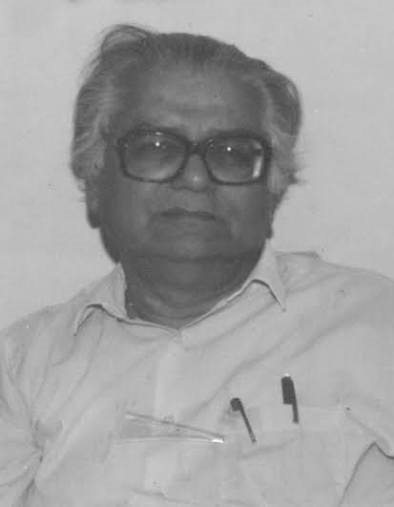
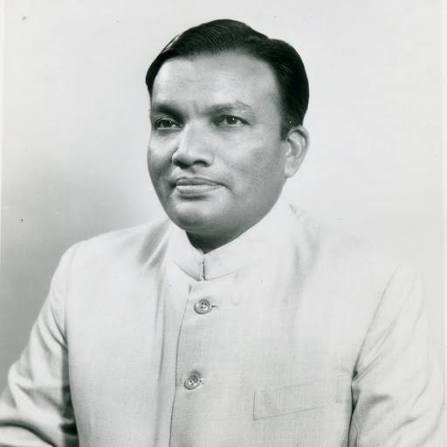
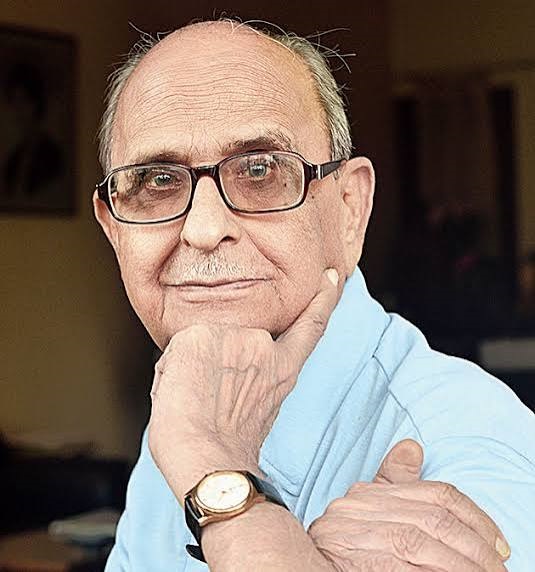
Professor Mukut Vehari Mathur (1915–2004) was a towering figure in modern Indian economics, public administration, and higher education. Renowned as a visionary academic and institutional builder, he played a vital role in shaping economic research, educational planning, and administrative reforms in independent India—leaving a lasting imprint particularly on the intellectual and institutional landscape of Rajasthan.
2. Quick Facts
- Full Name: Mukut Vehari Mathur (M.V. Mathur)
- Native Name: मुकुट बिहारी माथूर
- Date of Birth: 10 October 1915
- Place of Birth: Alwar, British India (present-day Rajasthan, India)
- Nationality: Indian
- Occupation / Profession: Economist, Educator, Public Policy Analyst
- Field of Achievement: Economics, Higher Education, and Public Administration
- Years Active: 1940s – 2004
3. Award Information (Focus: Padma Bhushan, 1989)
- Award Name: Padma Bhushan
- Award Category: India’s Third-Highest Civilian Award
- Award Year: 1989
- Presented By: The President of India
- Date of Ceremony: March/April 1989 (Rashtrapati Bhavan, New Delhi)
- Citation / Official Reason: In recognition of his exceptional contributions to economic research, public policy planning, and the advancement of higher education in India.
- Previous Recipients (Contextual): Prominent scholars, scientists, and public servants from preceding years.
- Next Recipients (Contextual): Distinguished achievers of the subsequent national honors cycle.
4. Why He Received the Award
Professor Mathur was honored with the Padma Bhushan for his lifetime dedication to rigorous economic research, educational development, and policy advisory roles. Over decades, he served on critical national and state committees, steering educational reforms, formulating developmental economic frameworks, and establishing premier institutions like the Institute of Development Studies (IDS), Jaipur.
5. Early Life
Born in Alwar in 1915, Mathur grew up during a period when India’s educational systems were undergoing massive transitions. Exhibiting a sharp academic intellect from an early age, he developed a deep inclination toward social sciences, national development, and economics, which eventually guided his life’s path toward academia and public service.
6. Education
- Early Education: Completed his schooling in Rajasthan.
- Higher Studies: Pursued advanced studies in Economics, earning stellar academic credentials that equipped him to become one of the country’s leading economic thinkers and policy architects.
7. Career Journey
- Academic & Teaching Roles: Began his career teaching economics, shaping generations of students and researchers in various universities.
- Vice-Chancellor, University of Rajasthan (1966–1968): Led the university during a crucial phase of expansion, modernizing its academic structure and fostering a vibrant research environment.
- Institutional Leadership: Served as the Director of the Asian Institute of Educational Planning and Administration (UNESCO), New Delhi.
- Founder Chairman, IDS Jaipur (1981): Spearheaded the creation of the Institute of Development Studies in Jaipur, turning it into a premier autonomous research hub.
- State Administrative Reorganization: Headed the Rajasthan Government committee on the reorganization of universities in the state (1978–1980).
8. Major Achievements
- Architect of Development Studies: Founded the Institute of Development Studies (IDS), Jaipur, bridging academic research with grassroots socio-economic policy-making.
- Educational Administration: Successfully directed state and international bodies, influencing educational administration policies across Asia under UNESCO.
- Key Advisory Roles: Authored and contributed to multiple landmark governmental reports on higher education and fiscal decentralization.
9. Contribution to the Nation
Professor Mathur’s contributions went beyond the classroom; he helped structure how India viewed grassroots economic planning and administrative capacity. By advising state and central governments on financial devolution, public administration, and educational expansion, he enabled policy frameworks aimed at regional development and institutional accountability.
10. Other Awards and Honours
- Padma Bhushan (Government of India, 1989)
- Parikh Memorial Award (1983)
- Rajasthan Ratna Award (Government of Rajasthan, 1984)
- Commemorated annually through prestigious memorial lectures (such as the Prof. M.V. Mathur Lecture hosted by IDS Jaipur).
11. Legacy and Influence
Prof. Mathur is remembered as a pioneering institution-builder who combined economic theory with practical governance. His legacy lives on through the scholars he mentored, the academic standards he established at the University of Rajasthan, and the continuous policy research generated by IDS Jaipur. He spent his final years in the United States, passing away in Baltimore, Maryland, on January 21, 2004.
12. Interesting Facts
- Global Footprint: Beyond his deep ties to Rajasthan and New Delhi, his expertise took him to international platforms, including his work with UNESCO.
- Prolific Writer & Thinker: He remained intellectually active well into his later years, contributing heavily to discourses on decentralization and local governance.
- Family Life: Married to Saroj Kumari Mathur in 1939, with whom he shared three daughters.
13. Quotes
“Governance in order to be citizen-centric should be participative and transparent. It should be effective, efficient and responsive to the citizens.” — Echoing the administrative ideals championed by Prof. M.V. Mathur
14. Timeline
- 1915: Born on October 10 in Alwar, British India.
- 1939: Marries Saroj Kumari Mathur.
- 1966–1968: Serves as Vice-Chancellor of the University of Rajasthan.
- 1978–1980: Heads the Rajasthan Government committee on university reorganization.
- 1981: Founds the Institute of Development Studies (IDS), Jaipur.
- 1983: Receives the Parikh Memorial Award.
- 1984: Honored with the Rajasthan Ratna Award.
- 1989: Conferred the Padma Bhushan by the Government of India.
- 2004: Passes away on January 21 in Baltimore, Maryland, USA.
15. References
- Government of India – Padma Awards Directory.
- Institute of Development Studies (IDS), Jaipur Archives & Memorial Lecture Series.
- Rajasthan Foundation – Legends of Rajasthan.
- Wikipedia – M.V. Mathur Biographical Records.
16. Related Personalities
- Mohanlal Sukhadia (Former Chief Minister of Rajasthan, during whose tenure many developmental milestones were shaped)
- D.R. Mehta (Prominent administrator and founder of Bhagwan Mahaveer Viklang Sahayata Samiti, associated with Rajasthan’s intellectual circles)
17. Frequently Asked Questions (FAQ)
Q1: Who was Professor M.V. Mathur?
A: Professor Mukut Vehari Mathur was an eminent Indian economist, Vice-Chancellor of the University of Rajasthan, and the founder-chairman of the Institute of Development Studies (IDS), Jaipur.
Q2: What are his major institutional contributions?
A: He is best known for serving as Vice-Chancellor of Rajasthan University (1966–1968) and establishing IDS Jaipur as a premier social science research institution in 1981.
Q3: When was he awarded the Padma Bhushan?
A: He was awarded the Padma Bhushan by the Government of India in 1989 for his contributions to economic research and public policy.
About the Author