

1. Introduction
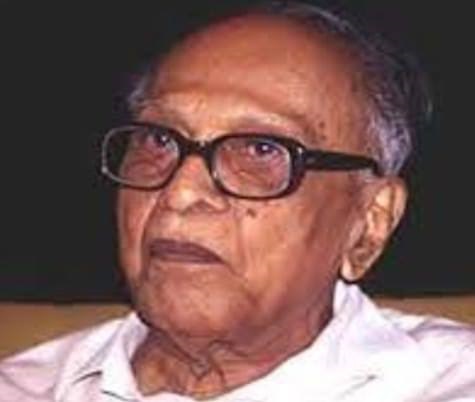
Vithal Mahadeo Tarkunde (3 July 1909 – 22 March 2004)—affectionately and widely known as VM or Tarkunde Saheb—was one of independent India’s most steadfast champions of civil liberties, a visionary jurist, a radical humanist philosopher, and a fearless defender of democracy. Often hailed as the “Father of the Civil Liberties Movement in India,” Tarkunde gave up a promising judicial career to fight for the rights of ordinary citizens. From challenging the authoritarian Emergency of 1975 to investigating state human rights abuses across Punjab and the Northeast, his life was an uncompromising testament to freedom, rationalism, and social justice.
2. Quick Facts
- Full Name: Vithal Mahadeo Tarkunde
- Native Name: विठ्ठल महादेव तारकुंडे (Marathi)
- Date of Birth: 3 July 1909
- Place of Birth: Saswad, near Pune, Bombay Presidency, British India
- Nationality: Indian
- Occupation / Profession: Lawyer, High Court Judge, Civil Rights Activist, Author
- Field of Achievement: Constitutional Law, Civil Liberties, Radical Humanism
- Years Active: 1930s–2004
3. Award Information (Padma Bhushan)
- Award Name: Padma Bhushan
- Award Category: Public Affairs / Law (Third-highest civilian award in India)
- Award Year: 1998
- Presented By: The President of India
- Date of Ceremony: March/April 1998 (Rashtrapati Bhavan, New Delhi)
- Citation / Official Reason: In recognition of his distinguished services of a high order to the nation in public affairs, the protection of civil liberties, and the advancement of human rights.
- Previous Recipients (Contextual): Celebrated jurists, constitutional experts, and public servants.
- Next Recipients: Succeeding national luminaries in public affairs and law.
4. Why He Received the Award
V.M. Tarkunde received the Padma Bhushan and other prestigious recognitions because he dedicated more than half a century to safeguarding Indian democracy from authoritarian overreach. He founded the People’s Union for Civil Liberties (PUCL) alongside Jayaprakash Narayan, fearlessly exposed state repression during the 1975 Emergency, and led independent fact-finding committees into civil rights violations. His moral authority and unwavering legal defense of marginalized voices made him the moral conscience of the Indian legal fraternity.
5. Early Life
Born on July 3, 1909, in Saswad near Pune, Tarkunde grew up amidst a cultured Maharashtrian family environment deeply influenced by the Indian freedom struggle and social reform movements. Witnessing the oppressive weight of colonial rule during his formative years sparked an early interest in Marxism, socialism, and democratic freedom, which eventually evolved into a profound commitment to Radical Humanism.
6. Education
- Schooling & Early Studies: Completed his early education in Maharashtra.
- Law Degree: Earned his Bachelor of Laws (LL.B.) degree, preparing for a distinguished career at the bar and the bench.
- Intellectual Grounding: Deeply influenced by M.N. Roy, Tarkunde immersed himself in philosophy, political science, and jurisprudence, developing an analytical framework rooted in secularism and reason.
7. Career Journey
- Bar Practice: Began practicing law at the Bombay High Court, quickly earning a stellar reputation for his grasp of civil and constitutional law.
- Judicial Service: Appointed as a Judge of the Bombay High Court in 1957, where he served with immense distinction and integrity until his early resignation.
- The Radical Humanist Movement: Left the bench to join M.N. Roy’s Radical Democratic Party and later co-founded the Indian Radical Humanist Association.
- Civil Liberties Leadership: Founded the Citizens for Democracy (CFD) in 1974 and the People’s Union for Civil Liberties (PUCL) in 1976 to fight state authoritarianism.
8. Major Achievements
- Resignation from the Bench on Principle: Voluntarily stepped down as a Bombay High Court judge to dedicate his life fully to public advocacy and political freedom—a rare act of judicial renunciation.
- Founding PUCL: Established the People’s Union for Civil Liberties alongside Jayaprakash Narayan during the dark days of the Emergency to legally and publicly fight state censorship and arbitrary detentions.
- Landmark Fact-Finding Inquiries: Personally led independent investigative commissions into sensitive flashpoints, including extrajudicial killings and civil rights abuses in Punjab, Andhra Pradesh, and Gujarat.
9. Contribution to the Nation
Tarkunde’s greatest contribution was anchoring India’s democratic framework during its most vulnerable moments. When the fundamental rights of citizens were suspended during the 1975–1977 Emergency, Tarkunde appeared in courts across the nation, defending political prisoners, journalists, and activists without charging a single rupee. By institutionalizing civil rights monitoring through the PUCL and CFD, he ensured that ordinary citizens had an independent watchdog to challenge state power.
10. Other Awards and Honours
- Padma Bhushan (1998): Conferred by the Government of India for public affairs and civil rights.
- Basava Shri Award: Recognized for his lifelong promotion of humanism, secularism, and social equality.
- National Human Rights Fellowship & Citations: Honored by numerous civil society organizations, bar associations, and international human rights bodies.
11. Legacy and Influence
V.M. Tarkunde is remembered as a titan of Indian liberalism and an embodiment of judicial courage. His intellectual transition from Marxism to Radical Humanism underlined a lifelong evolution toward individual liberty, decentralization, and ethics in public life. The organizations he built continue to serve as frontline guardians of Indian democracy.
12. Interesting Facts
- Pro Bono Defender of Freedom: Throughout the Emergency, Tarkunde traveled extensively across India at his own expense to represent jailed dissidents, earning no professional fees.
- Lifelong Association with M.N. Roy: He worked closely with revolutionary-turned-philosopher M.N. Roy, editing The Radical Humanist journal and helping shape the philosophy of Radical Humanism.
- Remarkable Longevity: Retained sharp mental clarity and active public engagement well into his nineties, writing essays and commenting on contemporary civil liberties challenges until his passing on March 22, 2004.
13. Quotes
“Democracy is not merely a form of government; it is a way of life based on liberty, equality, and human fraternity, sustained by the critical rationalism of free citizens.” — V.M. Tarkunde
14. Timeline
- 1909: Born on July 3 in Saswad, near Pune
- 1957: Appointed as a Judge of the Bombay High Court
- 1960s: Resigned from the judiciary to pursue public advocacy and Radical Humanism
- 1974: Co-founded Citizens for Democracy (CFD)
- 1975–1977: Fought legally against the authoritarian Emergency; defended political detainees
- 1976: Co-founded the People’s Union for Civil Liberties (PUCL) with Jayaprakash Narayan
- 1998: Conferred the Padma Bhushan by the Government of India
- 2004: Passed away on March 22 in New Delhi at the age of 94
15. References
- Wikipedia contributors. V. M. Tarkunde. Wikipedia, The Free Encyclopedia.
- People’s Union for Civil Liberties (PUCL) Archives. Tributes to Justice V.M. Tarkunde.
- Radical Humanist Association. Life and Philosophy of V.M. Tarkunde.
- The Hindu. Obituary: V.M. Tarkunde – A champion of civil liberties (1909–2004).
16. Related Personalities
- Jayaprakash Narayan (JP): Iconic freedom fighter and political leader who partnered with Tarkunde to found the PUCL during the Emergency.
- M.N. Roy: Revolutionary philosopher and founder of Radical Humanism who deeply influenced Tarkunde’s worldview.
17. Frequently Asked Questions (FAQ)
- Q: Who was V.M. Tarkunde?A: V.M. Tarkunde was an eminent Indian lawyer, former Bombay High Court judge, and civil rights leader widely regarded as the father of India’s civil liberties movement.
- Q: What organizations did V.M. Tarkunde help found?A: He co-founded Citizens for Democracy (CFD) in 1974 and the People’s Union for Civil Liberties (PUCL) in 1976.
- Q: What major civilian award did he receive?A: He received the Padma Bhushan in 1998 from the Government of India for his lifelong contributions to public affairs and human rights.
About the Author




