Introduction
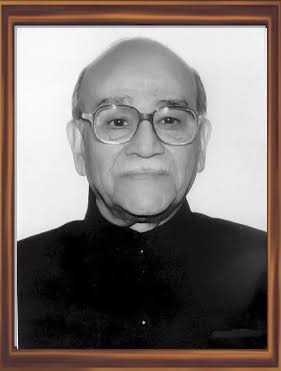
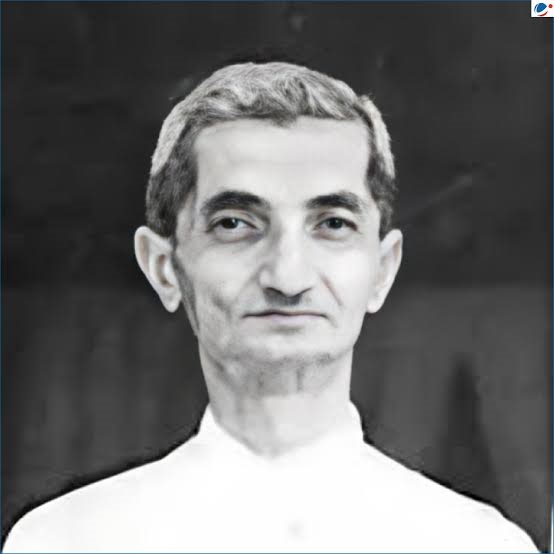
Vaikunthbhai Lallubhai Mehta (26 February 1891 – 1964) was a distinguished Indian cooperative leader, economist, banker, and social reformer. He is widely regarded as one of the pioneers of the cooperative movement in India. Through his visionary leadership, he strengthened cooperative banking, rural credit institutions, and agricultural development, empowering millions of farmers and rural communities. In recognition of his outstanding contributions to public affairs and the cooperative sector, he was awarded the Padma Bhushan in 1954, one of India’s highest civilian honours.
Early Life
Vaikunthbhai Mehta was born on 26 February 1891 in Gujarat, British India. He was raised in a family that valued education, public service, and social welfare. From an early age, he developed a strong interest in economics, rural development, and community service.
His concern for the welfare of farmers and economically disadvantaged communities inspired him to dedicate his life to promoting the cooperative movement.
Birth Date and Death
- Born: 26 February 1891
- Birthplace: Gujarat, British India
- Died: 1964
- Nationality: Indian
Education and Career
Vaikunthbhai Mehta completed his education in Gujarat and later entered public service and cooperative banking. His deep understanding of economics and rural finance enabled him to play a leading role in developing India’s cooperative institutions.
During his career, he served in several important positions related to cooperative banking and rural development. He worked tirelessly to strengthen cooperative societies, improve agricultural credit, and encourage financial self-reliance among farmers.
His efforts helped establish a strong foundation for India’s cooperative banking system, which continues to support rural development today.
Why Did He Receive the Padma Bhushan Award?
Vaikunthbhai Mehta received the Padma Bhushan in 1954 for his exceptional contributions to:
- Development of the cooperative movement in India.
- Promotion of cooperative banking and rural credit.
- Agricultural and rural development.
- Public service and economic reforms.
- Empowerment of farmers through cooperative institutions.
His work transformed the cooperative sector into a powerful tool for rural economic development.
Career and Achievements
Vaikunthbhai Mehta achieved several significant milestones during his distinguished career.
1. Pioneer of the Cooperative Movement
He was among the foremost leaders who promoted cooperative societies as a means of improving the economic condition of farmers and rural communities.
2. Strengthening Cooperative Banking
He played a key role in developing cooperative banking institutions that provided affordable credit to farmers and small businesses.
3. Rural Development
His policies encouraged financial inclusion, agricultural productivity, and community participation in economic development.
4. Public Administration
He served in various government and financial organizations, contributing to policy-making related to cooperatives and rural finance.
5. Institution Building
His ideas influenced the growth of cooperative institutions across India, many of which continue to play an important role in rural development.
Field of Achievement
Vaikunthbhai Mehta made remarkable contributions in:
- Cooperative Movement
- Cooperative Banking
- Rural Development
- Agricultural Finance
- Public Administration
- Economics
- Social Reform
Awards and Honours
His major honours include:
- Padma Bhushan (1954) for distinguished service in public affairs.
- Recognition as one of the pioneers of India’s cooperative movement.
- The Vaikunth Mehta National Institute of Cooperative Management (VAMNICOM), Pune, was named in his honour for his outstanding contributions to cooperative education and management.
- Honoured by several cooperative institutions for his lifelong service.
Interesting Facts
- Vaikunthbhai Mehta is considered one of the founding architects of India’s cooperative banking system.
- He strongly believed that economic progress should be driven by community participation and mutual cooperation.
- His ideas influenced the development of rural credit systems that benefited millions of farmers.
- The Vaikunth Mehta National Institute of Cooperative Management (VAMNICOM) in Pune is named after him and remains one of India’s premier institutions for cooperative education.
- His contributions continue to guide cooperative organizations across the country.
Legacy and Inspiration
Vaikunthbhai Mehta’s vision transformed the cooperative movement into a cornerstone of India’s rural economy. His emphasis on self-help, democratic management, and financial inclusion continues to inspire policymakers, cooperative leaders, and rural development professionals. His legacy lives on through cooperative banks, agricultural societies, and educational institutions that promote cooperative management.
Contribution to the Nation
Vaikunthbhai Mehta made lasting contributions to India by:
- Expanding the cooperative movement across the country.
- Strengthening cooperative banking and rural credit systems.
- Supporting farmers through affordable financial services.
- Encouraging community-based economic development.
- Promoting self-reliance and financial inclusion in rural areas.
- Contributing to India’s agricultural and economic growth.
His work laid the foundation for a stronger and more inclusive rural economy.
Conclusion
Vaikunthbhai Mehta was a visionary leader whose dedication to the cooperative movement transformed rural finance and community development in India. His efforts to strengthen cooperative banking and empower farmers through collective action had a lasting impact on the nation’s economic progress. The Padma Bhushan, awarded to him in 1954, recognized his exceptional service to public affairs and rural development. Today, he is remembered as one of the pioneers of India’s cooperative movement, whose ideas continue to inspire sustainable and inclusive development across the country.
About the Author