Introduction
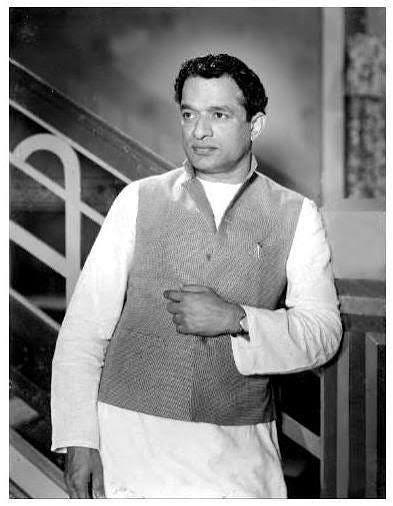
V. Shantaram was one of the most respected pioneers of Indian cinema. Known for his creativity, social awareness, and innovative filmmaking techniques, he made significant contributions as a director, producer, actor, and studio founder. Through his films, he highlighted important social issues such as equality, women’s rights, and human values. His remarkable contribution to Indian cinema earned him the prestigious Padma Vibhushan award.
Why Did V. Shantaram Receive the Padma Vibhushan Award?
V. Shantaram received the Padma Vibhushan in 1992 for his exceptional contribution to Indian cinema and his lifelong dedication to the art of filmmaking.
He transformed Indian films by introducing new ideas in storytelling, technology, music, and social themes. His films not only entertained audiences but also addressed important issues affecting society. His work helped shape the growth and development of Indian cinema.
Early Life
V. Shantaram was born as Rajaram Vankudre Shantaram on 18 November 1901 in Kolhapur, Maharashtra.
He developed an interest in theatre and performing arts from a young age. Coming from a modest background, he worked hard to establish himself in the film industry during the early years of Indian cinema.
Birth Date and Death
- Full Name: Rajaram Vankudre Shantaram
- Born: 18 November 1901
- Birthplace: Kolhapur, Maharashtra, India
- Died: 30 October 1990
- Age at death: 88 years
He left behind a rich legacy in Indian filmmaking that continues to influence generations of filmmakers.
Education and Career
V. Shantaram had limited formal education but gained practical knowledge through his experiences in theatre and cinema. He began his career in the early Indian film industry when silent films were becoming popular.
He started working with the Maharashtra Film Company in Kolhapur, where he learned filmmaking skills. Later, he co-founded Prabhat Film Company in 1929, which became one of the most important film studios in India.
He later established Rajkamal Kalamandir, where he created many memorable films.
Field of Achievements
V. Shantaram contributed greatly to the field of cinema in many ways:
1. Innovative Filmmaking
He introduced new techniques in camera work, sound, colour, and storytelling. His creativity helped modernize Indian cinema.
2. Socially Relevant Films
Many of his films focused on social issues, including:
- Women’s empowerment
- Caste discrimination
- Social inequality
- Human rights
3. Promotion of Indian Culture
His films reflected Indian traditions, values, and cultural themes while presenting them in a modern style.
4. Film Industry Development
As a studio founder and filmmaker, he supported new artists, technicians, and creative talent in Indian cinema.
Awards and Honours
V. Shantaram received several prestigious awards, including:
- Padma Vibhushan (1992) – India’s second-highest civilian award, for his outstanding contribution to Indian cinema.
- Dadasaheb Phalke Award (1985) – India’s highest award in cinema, recognizing his lifetime contribution to filmmaking.
- National Film Awards for his outstanding films and direction.
- Several other honours for his achievements in Indian cinema.
Interesting Facts
- V. Shantaram started his film career during the silent film era.
- He was among the first Indian filmmakers to use cinema as a tool for social reform.
- His film “Dr. Kotnis Ki Amar Kahani” (1946) was based on the life of Indian doctor Dwarkanath Kotnis and his service in China.
- His film “Do Aankhen Barah Haath” (1957) won international recognition and received the Silver Bear award at the Berlin International Film Festival.
- He worked as an actor, director, producer, and studio owner throughout his long career.
Legacy and Inspiration
V. Shantaram is remembered as a visionary filmmaker who believed that cinema could educate and inspire society. His dedication to meaningful storytelling encouraged future generations of filmmakers to create films with social messages.
His innovative approach and commitment to artistic excellence made him one of the greatest figures in the history of Indian cinema.
Contribution to the Nation
V. Shantaram contributed to India by strengthening the film industry and using cinema to spread awareness about social issues. His films encouraged people to think about problems such as inequality, injustice, and human dignity.
He helped establish Indian cinema as a powerful medium of communication and played an important role in bringing Indian stories to national and international audiences.
Conclusion
V. Shantaram was not only a filmmaker but also a social thinker who used cinema to bring positive change. His creativity, dedication, and commitment to meaningful storytelling made him a legend of Indian cinema.
The Padma Vibhushan award recognized his extraordinary contribution to the nation’s cultural heritage. His films and ideas continue to inspire filmmakers and audiences even today.
About the Author