
Introduction
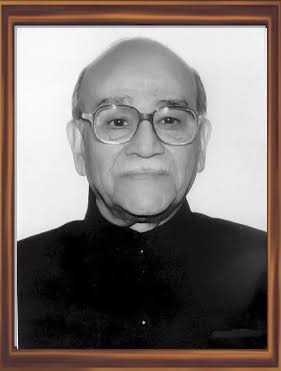
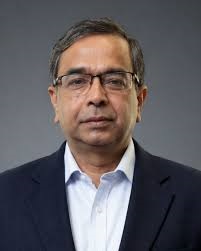
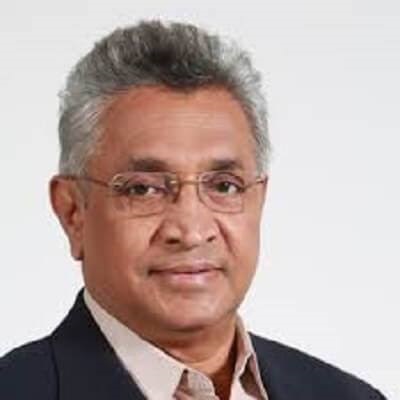
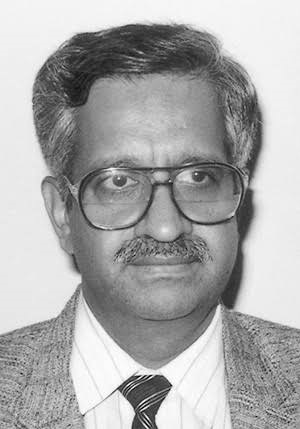
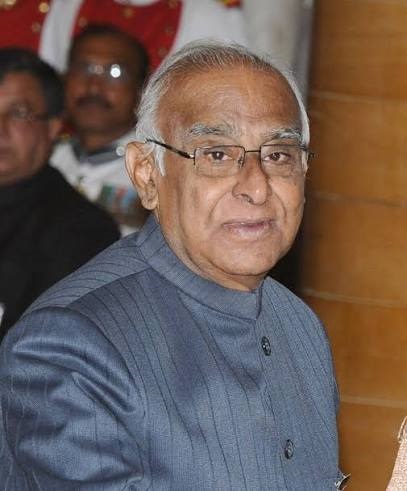
Vasudev Kalkunte Aatre, popularly known as V. K. Aatre, is one of India’s most distinguished defence scientists and engineers. He played a crucial role in strengthening India’s indigenous defence research and technology capabilities. As the former Director General of the Defence Research and Development Organisation (DRDO) and Scientific Adviser to the Defence Minister, he made significant contributions to advanced defence systems, naval technologies, and strategic research. In recognition of his outstanding service to the nation, he was awarded the Padma Vibhushan, India’s second-highest civilian honour, in 2016.
Early Life
V. K. Aatre was born in 1939 in Bengaluru (then Bangalore), Karnataka, India. From an early age, he showed a keen interest in science, mathematics, and engineering. His passion for technology and innovation laid the foundation for an exceptional career in defence research and national security.
Birth Date and Life
- Full Name: Vasudev Kalkunte Aatre
- Popular Name: V. K. Aatre
- Date of Birth: 1939
- Place of Birth: Bengaluru, Karnataka, India
- Death: Alive (as of 2026)
Education and Career
Education
V. K. Aatre received an excellent engineering education:
- B.E. in Electrical Engineering from University Visvesvaraya College of Engineering (1961)
- Master’s Degree in Electrical Engineering from Indian Institute of Science (1963)
- Ph.D. in Electrical Engineering from University of Waterloo (1967)
Career
Before joining India’s defence establishment, he served as a professor at the Technical University of Nova Scotia in Canada. In 1980, he joined the DRDO, where he held several important leadership positions.
His major career milestones include:
- Director of the Naval Physical and Oceanographic Laboratory.
- Chief Controller (Research & Development) at DRDO.
- Director General of DRDO (1999–2004), succeeding A. P. J. Abdul Kalam.
- Scientific Adviser to the Defence Minister.
- Secretary, Department of Defence Research and Development.
Why Did He Receive the Padma Vibhushan Award?
Padma Vibhushan was conferred upon V. K. Aatre in 2016 for his exceptional and distinguished service in Science and Engineering, particularly in defence research and technology.
He received this prestigious honour because:
- He strengthened India’s indigenous defence research capabilities.
- He led the modernization of DRDO during a crucial period.
- He advanced research in naval systems, electronics, and strategic defence technologies.
- He promoted self-reliance in defence manufacturing and research.
- His leadership significantly enhanced India’s scientific and technological capabilities.
Career and Achievements
Some of V. K. Aatre’s major achievements include:
- Led DRDO during several important defence technology programmes.
- Played a significant role in developing indigenous naval and defence technologies.
- Strengthened collaboration between scientists, engineers, and the armed forces.
- Contributed to India’s long-term defence research strategy.
- Served as Chairman of leading academic institutions after retirement.
- Authored technical publications and shared his expertise with future generations of scientists and engineers.
Field of Achievement
V. K. Aatre has made remarkable contributions in:
- Defence Science
- Electrical Engineering
- Defence Research and Development
- Naval Technology
- Strategic Technology
- Public Administration
- Scientific Leadership
Awards and Honours
Some of the major honours received by V. K. Aatre include:
- Padma Bhushan (2000)
- Padma Vibhushan (2016)
- Karnataka Science and Technology Academy Lifetime Achievement Award
- Fellowships and recognitions from engineering and scientific institutions in India and abroad.
Interesting Facts
- He earned his Ph.D. from the University of Waterloo in Canada.
- Before joining DRDO, he taught electrical engineering at a Canadian university.
- He succeeded Dr. A. P. J. Abdul Kalam as Director General of DRDO.
- He played a major role in strengthening India’s indigenous defence technologies.
- He has contributed to both scientific research and higher education through leadership roles after his retirement.
- He is widely respected for promoting innovation and self-reliance in defence technology.
Legacy and Inspiration
V. K. Aatre’s legacy lies in his dedication to scientific excellence and national security. His leadership helped India build stronger indigenous defence capabilities and inspired a culture of innovation within DRDO. His career demonstrates how engineering and scientific research can directly contribute to a nation’s security and technological independence.
His achievements continue to inspire young engineers, researchers, and defence scientists to pursue excellence in science and serve the nation.
Contribution to the Nation
V. K. Aatre has made significant contributions to India by:
- Strengthening India’s defence research infrastructure.
- Promoting indigenous defence technologies and reducing dependence on foreign systems.
- Supporting the modernization of the armed forces through advanced research.
- Encouraging innovation in strategic and naval technologies.
- Mentoring scientists and engineers who continue to contribute to India’s defence sector.
- Enhancing India’s technological self-reliance and national security.
Conclusion
V. K. Aatre is one of India’s foremost defence scientists, whose leadership and scientific vision played a vital role in advancing the country’s defence research and technological capabilities. His distinguished service at DRDO and his contributions to indigenous defence development have had a lasting impact on India’s national security. The Padma Vibhushan rightly recognizes his lifelong commitment to science, engineering, and the nation’s strategic interests. His legacy continues to inspire future generations of scientists and engineers dedicated to building a stronger and more self-reliant India.
About the Author