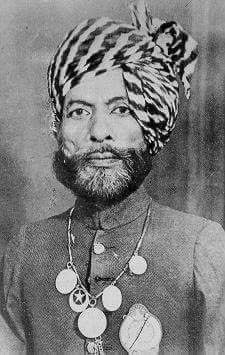
1. Introduction
Mushtaq Hussain Khan (1905–1964) was one of the greatest vocalists of Hindustani classical music and a leading exponent of the Rampur-Sahaswan Gharana. Known for his powerful voice, exceptional command over khayal, dhrupad, and thumri, he played a significant role in preserving and promoting India’s classical music traditions.
He was the first recipient of the prestigious Sangeet Natak Akademi Award for Hindustani vocal music (1952) and was honoured with the Padma Bhushan in 1968 for his outstanding contribution to Indian classical music.
2. Quick Facts
| Item | Details |
|---|---|
| Full Name | Ustad Mushtaq Hussain Khan |
| Native Name | استاد مشتاق حسین خان (Urdu) |
| Date of Birth | 1905 |
| Place of Birth | Sahaswan, Budaun District, United Provinces, British India (present-day Uttar Pradesh, India) |
| Date of Death | 20 July 1964 |
| Nationality | Indian |
| Occupation / Profession | Hindustani Classical Vocalist, Music Teacher |
| Field of Achievement | Indian Classical Music (Hindustani Vocal) |
| Gharana | Rampur-Sahaswan Gharana |
| Years Active | 1920s–1964 |
| Known For | Khayal singing, classical vocal performances, music education |
3. Award Information
| Item | Details |
|---|---|
| Award Name | Padma Bhushan |
| Award Category | Arts (Music) |
| Award Year | 1968 |
| Presented By | President of India |
| Date of Ceremony | 26 January 1968 (award announced; investiture held later) |
| Citation / Official Reason | Distinguished contribution to Hindustani classical vocal music |
| Previous Recipients | Not applicable (annual civilian honour) |
| Next Recipients | Continued annually for outstanding contributions in arts and other fields |
4. Why Did Mushtaq Hussain Khan Receive the Award?
Ustad Mushtaq Hussain Khan was honoured for his exceptional contribution to Hindustani classical music.
His achievements included:
- Preserving the traditions of the Rampur-Sahaswan Gharana.
- Mastery over khayal singing and classical vocal forms.
- Training generations of musicians.
- Promoting Indian classical music through performances.
- Maintaining the purity and depth of traditional vocal techniques.
His voice, musical knowledge, and teaching style made him one of India’s most respected classical musicians.
5. Early Life
Mushtaq Hussain Khan was born in 1905 in Sahaswan, Uttar Pradesh, into a family connected with classical music.
He belonged to the famous Rampur-Sahaswan Gharana, a musical tradition known for its emphasis on clear pronunciation, powerful voice production, and detailed elaboration of ragas.
From childhood, he showed exceptional musical talent and began rigorous training under renowned masters.
6. Education and Musical Training
Mushtaq Hussain Khan received traditional training through the guru-shishya parampara.
His major influences and teachers included:
- Ustad Inayat Hussain Khan’s musical tradition.
- Senior musicians of the Rampur court tradition.
His training focused on:
- Khayal singing.
- Raga interpretation.
- Voice control.
- Classical compositions.
- Traditional performance techniques.
7. Career Journey
Early Career
- Started performing publicly at a young age.
- Gained recognition for his powerful and melodious voice.
- Became associated with royal courts supporting classical music.
Rampur Court Musician
- Served as a court musician in the princely state of Rampur.
- Helped preserve the gharana’s musical traditions.
National Recognition
- Became one of India’s leading Hindustani vocalists.
- Performed widely across India.
- Inspired students through teaching and musical guidance.
Later Career
- Continued performing and training musicians.
- Became an important figure in post-independence India’s classical music scene.
8. Major Achievements
- Leading exponent of the Rampur-Sahaswan Gharana.
- First recipient of the Sangeet Natak Akademi Award for Hindustani vocal music (1952).
- Awarded the Padma Bhushan (1968).
- Recognized as one of the finest classical vocalists of his generation.
- Preserved traditional khayal singing styles.
- Trained and influenced many future musicians.
9. Contribution to the Nation
Mushtaq Hussain Khan contributed to India by:
Preservation of Classical Music
- Protected traditional Hindustani vocal styles.
- Maintained the heritage of the Rampur-Sahaswan Gharana.
Music Education
- Passed musical knowledge to younger generations.
- Strengthened India’s classical music tradition.
Cultural Representation
- Represented India’s artistic heritage through performances.
- Helped popularize classical music after independence.
10. Other Awards and Honours
Major recognitions include:
- Sangeet Natak Akademi Award (1952) – Hindustani vocal music.
- Padma Bhushan (1968) – Government of India.
- Recognition as one of the greatest vocalists of the Rampur-Sahaswan tradition.
11. Legacy and Influence
Mushtaq Hussain Khan’s legacy continues through:
- The survival and popularity of the Rampur-Sahaswan Gharana.
- His influence on generations of classical singers.
- Preservation of traditional khayal singing.
- Recordings that continue to inspire musicians.
He is remembered as a master who combined technical brilliance with emotional depth.
12. Interesting Facts
- He was among the most respected Hindustani vocalists of the 20th century.
- He belonged to the famous Rampur-Sahaswan Gharana.
- He was known for his strong voice and detailed raga presentation.
- He received India’s first Sangeet Natak Akademi Award in Hindustani vocal music.
- His musical tradition continues through his disciples and gharana followers.
13. Quotes
No widely authenticated direct quotes by Ustad Mushtaq Hussain Khan are available in major historical sources.
A principle often associated with his musical tradition is:
“Classical music requires discipline, devotion, and lifelong dedication.”
(This represents the philosophy of traditional Indian classical music rather than a verified personal quotation.)
14. Timeline
| Year | Event |
|---|---|
| 1905 | Born in Sahaswan, Uttar Pradesh |
| 1920s | Began gaining recognition as a classical vocalist |
| 1930s–1940s | Became associated with Rampur court music |
| 1952 | Received Sangeet Natak Akademi Award |
| 1950s–1960s | Established himself as a leading Hindustani vocalist |
| 1964 | Passed away on 20 July |
| 1968 | Awarded Padma Bhushan posthumously |
15. References
- Sangeet Natak Akademi – Records of music awards and artists.
- Government of India Padma Awards archives.
- Publications on Hindustani classical music and gharana traditions.
- Historical writings on Rampur-Sahaswan Gharana.
- Biographical works on Ustad Mushtaq Hussain Khan.
16. Related Personalities
- Ustad Rashid Khan
- Ustad Ghulam Mustafa Khan
- Bhimsen Joshi
- Amir Khan
- Ustad Bismillah Khan
17. Frequently Asked Questions (FAQ)
Q1. Who was Mushtaq Hussain Khan?
Mushtaq Hussain Khan was a legendary Hindustani classical vocalist and a leading artist of the Rampur-Sahaswan Gharana.
Q2. When was Mushtaq Hussain Khan born?
He was born in 1905 in Sahaswan, Uttar Pradesh.
Q3. Which award did Mushtaq Hussain Khan receive?
He received the Padma Bhushan in 1968.
Q4. Why was Mushtaq Hussain Khan awarded the Padma Bhushan?
He was honoured for his outstanding contribution to Hindustani classical vocal music.
Q5. Which gharana did Mushtaq Hussain Khan belong to?
He belonged to the Rampur-Sahaswan Gharana.
Q6. What was Mushtaq Hussain Khan famous for?
He was famous for his mastery of khayal singing, powerful voice, and traditional raga presentation.
Q7. What other major award did he receive?
He received the Sangeet Natak Akademi Award in 1952.
Q8. When did Mushtaq Hussain Khan die?
He passed away on 20 July 1964.
About the Author