Introduction
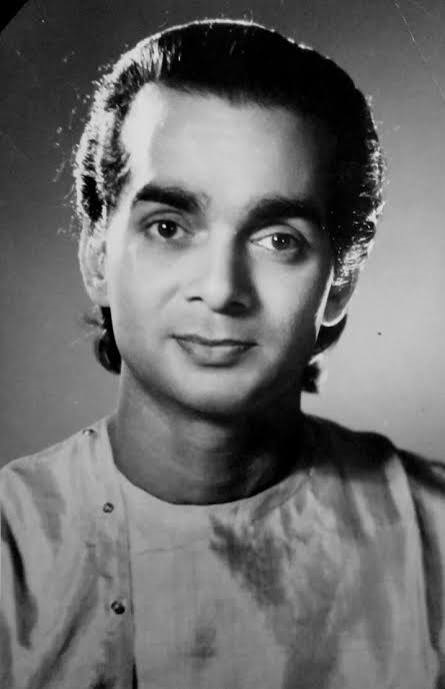
Uday Shankar was one of the greatest Indian dancers, choreographers, and cultural ambassadors of the 20th century. He is widely regarded as the father of modern Indian dance because he created a unique style by combining traditional Indian dance forms with modern theatrical techniques. Through his creativity and international performances, he introduced Indian dance and culture to audiences around the world.
Early Life
Uday Shankar was born on 8 December 1900 in Udaipur, Rajasthan, India. He belonged to a Bengali family, and his father, Shyam Shankar Chowdhury, was a lawyer and a scholar of Sanskrit. Due to his father’s work, Uday Shankar spent his childhood in different parts of India.
From a young age, he showed great interest in painting, music, and performing arts. Although he did not receive formal training in classical dance during his childhood, his artistic talents developed through exposure to India’s rich cultural traditions.
Education and Career
Uday Shankar studied at the Sir J. J. School of Art in Mumbai and later continued his studies at the Royal College of Art in London. Initially, he focused on painting and visual arts.
His career in dance began when he met the famous Russian ballerina Anna Pavlova. She recognized his artistic ability and invited him to collaborate with her. Together, they created performances inspired by Indian themes, which helped Uday Shankar develop his own dance style.
Later, he formed his own dance company and performed across Europe, America, and Asia, gaining international recognition.
Why Did Uday Shankar Receive the Padma Vibhushan Award?
Uday Shankar was awarded the Padma Vibhushan in 1971, one of India’s highest civilian honours, for his outstanding contribution to Indian dance and culture.
He received this honour because:
- He created a new form of Indian dance that blended classical traditions with modern artistic expression.
- He promoted Indian culture on international stages.
- He trained and inspired generations of dancers.
- He played a major role in making Indian performing arts respected worldwide.
Career and Achievements
Uday Shankar had a remarkable career filled with artistic innovations and achievements.
Major achievements include:
- Developing a new style known as fusion dance, combining elements of Indian classical dances, folk traditions, and Western theatrical techniques.
- Establishing the Uday Shankar India Culture Centre in Almora in 1938 to train young artists.
- Creating famous dance productions based on Indian mythology, history, and social themes.
- Taking Indian dance performances to international audiences through worldwide tours.
- Making the film Kalpana, which showcased his artistic vision and creativity.
Field of Achievements
Uday Shankar made significant contributions in several fields:
1. Dance and Choreography
He revolutionized Indian dance by creating innovative movements and presenting traditional ideas in a modern format.
2. Performing Arts
He introduced dramatic storytelling, costumes, stage design, and lighting techniques into Indian dance performances.
3. Cultural Promotion
He became a global representative of Indian culture and helped the world understand India’s artistic heritage.
4. Film and Visual Arts
His creative work in cinema and stage productions showed his ability to combine different art forms.
Awards and Honours
Some important awards and honours received by Uday Shankar include:
- Padma Vibhushan (1971) – Government of India’s second-highest civilian award.
- Sangeet Natak Akademi Fellowship (1962) – For his exceptional contribution to performing arts.
- Desikottama Award (1975) – Awarded by Visva-Bharati University.
- Numerous national and international recognitions for promoting Indian dance and culture.
Interesting Facts About Uday Shankar
- Uday Shankar was not trained traditionally in any single classical dance form, yet he created a unique dance style.
- He was the elder brother of famous sitar maestro Ravi Shankar.
- His dance company was among the first Indian groups to gain worldwide popularity.
- He used dance as a way to express social messages and Indian philosophy.
- His film Kalpana is considered an important milestone in Indian dance cinema.
Legacy and Inspiration
Uday Shankar’s influence continues to be seen in Indian dance and theatre. His innovative approach encouraged artists to experiment while respecting traditional art forms.
Many dancers and choreographers consider him a source of inspiration because he proved that Indian dance could evolve and achieve global recognition. His ideas helped create a bridge between Indian traditions and modern performing arts.
Contribution to the Nation
Uday Shankar made valuable contributions to India by:
- Spreading awareness of Indian culture around the world.
- Preserving and promoting Indian artistic traditions.
- Encouraging young artists through training institutions.
- Bringing international respect and recognition to Indian dance.
- Strengthening India’s cultural identity through the performing arts.
Conclusion
Uday Shankar was a visionary artist who transformed the world of Indian dance. His creativity, dedication, and passion helped Indian performing arts reach global audiences. Through his innovative style and cultural contributions, he left a lasting legacy that continues to inspire dancers and artists across generations. His life remains a symbol of imagination, excellence, and devotion to Indian culture.
About the Author