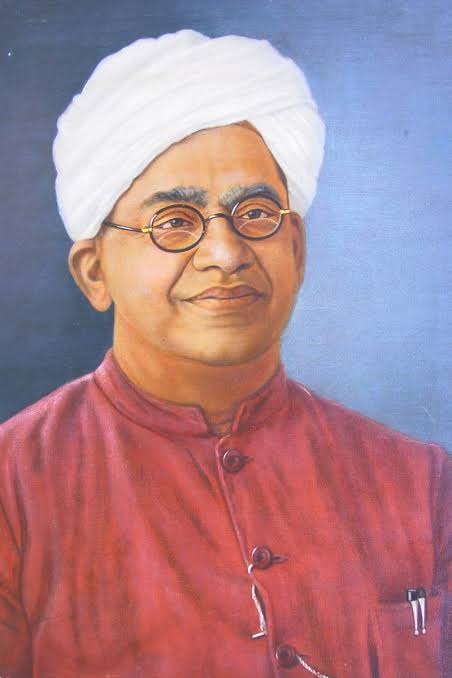
1. Introduction
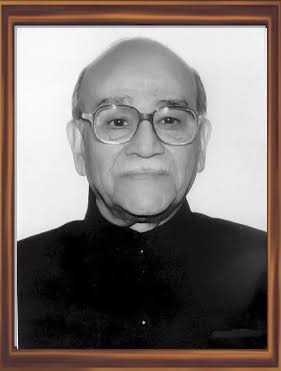
Tiruvadi Sambasiva Venkataraman, popularly known as T. S. Venkataraman, was an Indian industrialist, engineer, and business leader who made significant contributions to the development of India’s industrial sector during the pre- and post-independence periods. He played an important role in promoting engineering industries, industrial management, and manufacturing in southern India. In recognition of his distinguished service to Indian industry and engineering, the Government of India conferred upon him the Padma Bhushan in 1956, one of the country’s highest civilian honours.
2. Quick Facts
| Item | Details |
|---|---|
| Full Name | Tiruvadi Sambasiva Venkataraman |
| Popular Name | T. S. Venkataraman |
| Native Name | திருவாடி சம்பசிவ வெங்கடராமன் (Tamil) |
| Date of Birth | 4 June 1896 |
| Place of Birth | Tiruvadi (Thiruvaiyaru region), Thanjavur District, Madras Presidency, British India (present-day Tamil Nadu, India) |
| Date of Death | 1969 |
| Nationality | Indian |
| Occupation / Profession | Industrialist, Engineer, Business Executive |
| Field of Achievement | Industrial Development, Engineering, Manufacturing |
| Years Active | 1920s–1960s |
| Known For | Leadership in Indian engineering and industrial development; Padma Bhushan recipient |
3. Award Information
| Item | Details |
|---|---|
| Award Name | Padma Bhushan |
| Award Category | Trade & Industry |
| Award Year | 1956 |
| Presented By | President of India |
| Date of Ceremony | 26 January 1956 (award announced; investiture held later) |
| Official Citation / Reason | Distinguished service in industrial development, engineering, and public service |
| Previous Recipients | Not applicable (annual civilian honour) |
| Next Recipients | The Padma Bhushan continued to be awarded annually to other distinguished individuals |
4. Why Did T. S. Venkataraman Receive the Award?
T. S. Venkataraman received the Padma Bhushan for his outstanding contributions to India’s industrial and engineering sectors. His work focused on:
- Promoting engineering and manufacturing industries.
- Strengthening industrial management and production.
- Supporting India’s industrial growth after Independence.
- Encouraging modernization of engineering practices.
- Contributing to economic development through industrial leadership.
His efforts helped build a stronger industrial base during India’s early years as an independent nation.
5. Early Life
Tiruvadi Sambasiva Venkataraman was born on 4 June 1896 in Tiruvadi, in the Thanjavur region of the Madras Presidency (now Tamil Nadu). He grew up in an environment that valued education and technical knowledge, developing an early interest in science, engineering, and industrial progress.
6. Education
Venkataraman received his early education in Tamil Nadu before pursuing engineering studies. Although published biographical details about his formal academic record are limited, he received professional engineering training that prepared him for leadership roles in India’s industrial sector.
7. Career Journey
Early Career
- Began his career as an engineer in the industrial sector.
- Worked in manufacturing and engineering organizations.
Industrial Leadership
- Rose to senior management positions in engineering industries.
- Played a key role in expanding industrial production.
- Encouraged the adoption of modern manufacturing techniques.
- Supported the development of indigenous engineering capabilities.
National Service
- Contributed to industrial policy and engineering development through advisory and leadership roles.
- Promoted collaboration between industry and government during India’s industrialization.
8. Major Achievements
- Recognized as a leading industrialist and engineer of his time.
- Contributed to the modernization of India’s manufacturing sector.
- Helped strengthen engineering industries in southern India.
- Encouraged industrial efficiency and technological advancement.
- Played a role in India’s early post-independence industrial development.
- Received the Padma Bhushan for his services to trade and industry.
9. Contribution to the Nation
T. S. Venkataraman contributed to India’s nation-building by:
- Supporting industrial growth and economic development.
- Encouraging engineering innovation and manufacturing excellence.
- Promoting self-reliance in industrial production.
- Strengthening India’s engineering workforce.
- Assisting in the modernization of industrial management practices.
His work contributed to the expansion of India’s industrial infrastructure during a critical period of development.
10. Other Awards and Honours
- Padma Bhushan (1956).
- Honoured by engineering and industrial organizations for his contributions to manufacturing and industrial management.
- Remembered as one of the early leaders who supported India’s industrialization.
11. Legacy and Influence
T. S. Venkataraman’s legacy lies in his contributions to India’s engineering and industrial sectors. His influence can be seen in:
- The growth of engineering industries in southern India.
- The modernization of manufacturing practices.
- The development of industrial leadership in post-independence India.
- His role in promoting industrial self-reliance.
12. Interesting Facts
- He was among the early recipients of the Padma Bhushan.
- He dedicated much of his career to engineering and manufacturing.
- His work coincided with India’s early industrialization after Independence.
- He advocated modernization and improved industrial productivity.
- He helped shape industrial management practices during a period of rapid economic change.
13. Quotes
There are no widely authenticated quotations directly attributed to T. S. Venkataraman in reliable historical sources. For historical accuracy, it is advisable not to attribute inspirational quotes to him without documented evidence.
14. Timeline
| Year | Event |
|---|---|
| 1896 | Born in Tiruvadi, Madras Presidency |
| 1920s | Began engineering career |
| 1930s–1940s | Advanced into leadership roles in industry |
| 1956 | Awarded the Padma Bhushan |
| 1950s–1960s | Continued contributing to industrial development |
| 1969 | Passed away |
15. References
- Government of India Padma Awards archives (1956 recipients).
- Ministry of Home Affairs – Padma Awards records.
- Historical publications on India’s industrial development and engineering leadership.
- Biographical records on early Indian industrialists and Padma Bhushan awardees.
Note: Detailed published biographical information on T. S. Venkataraman is relatively limited compared with many other Padma Bhushan recipients. Where specific details such as educational history or exact corporate appointments are not well documented in reliable sources, they should not be expanded without verification from archival or authoritative references.
16. Related Personalities
- Mokshagundam Visvesvaraya
- Jehangir Ratanji Dadabhoy Tata
- Ghanshyam Das Birla
- Lalchand Hirachand
- Kanuri Lakshmana Rao
17. Frequently Asked Questions (FAQ)
Q1. Who was Tiruvadi Sambasiva Venkataraman?
Tiruvadi Sambasiva Venkataraman was an Indian industrialist, engineer, and business leader known for his contributions to engineering and industrial development.
Q2. When was T. S. Venkataraman born?
He was born on 4 June 1896 in Tiruvadi, Thanjavur district, present-day Tamil Nadu.
Q3. Which award did T. S. Venkataraman receive?
He received the Padma Bhushan in 1956.
Q4. Why was he awarded the Padma Bhushan?
He was honored for his distinguished contributions to trade, industry, engineering, and India’s industrial development.
Q5. What was T. S. Venkataraman known for?
He was known for his leadership in engineering, manufacturing, and industrial management during India’s early industrialization.
Q6. What field did T. S. Venkataraman work in?
He worked primarily in industrial engineering, manufacturing, and business management.
Q7. When did T. S. Venkataraman die?
He passed away in 1969.
Q8. What is T. S. Venkataraman’s legacy?
He is remembered as one of the early industrial leaders who contributed to India’s engineering capabilities and industrial growth, helping strengthen the country’s manufacturing sector in the years following Independence.
About the Author